🏆 CarbonZERO AWARDS 2026Public voting for CarbonZero 2026 Awards is now open!

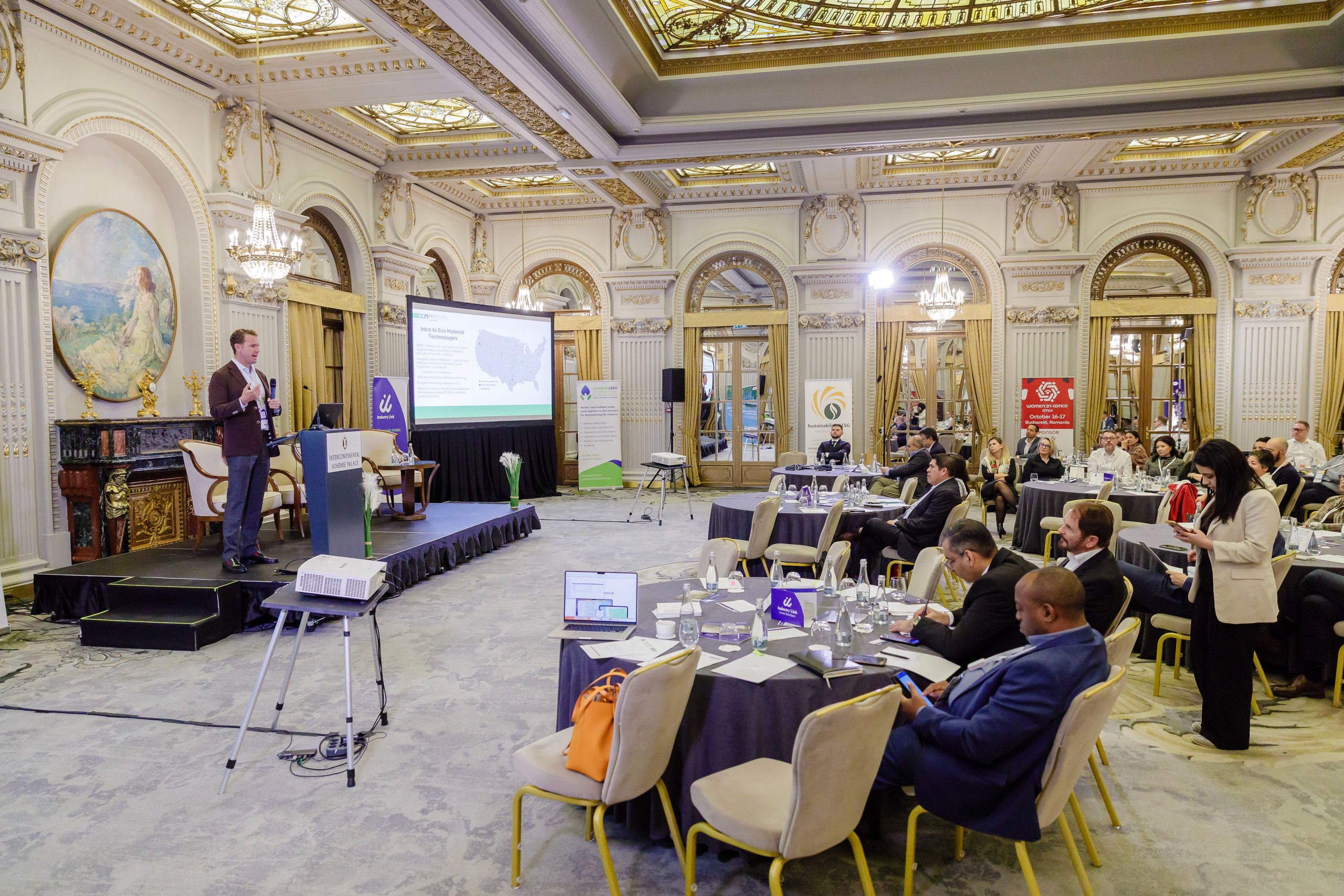
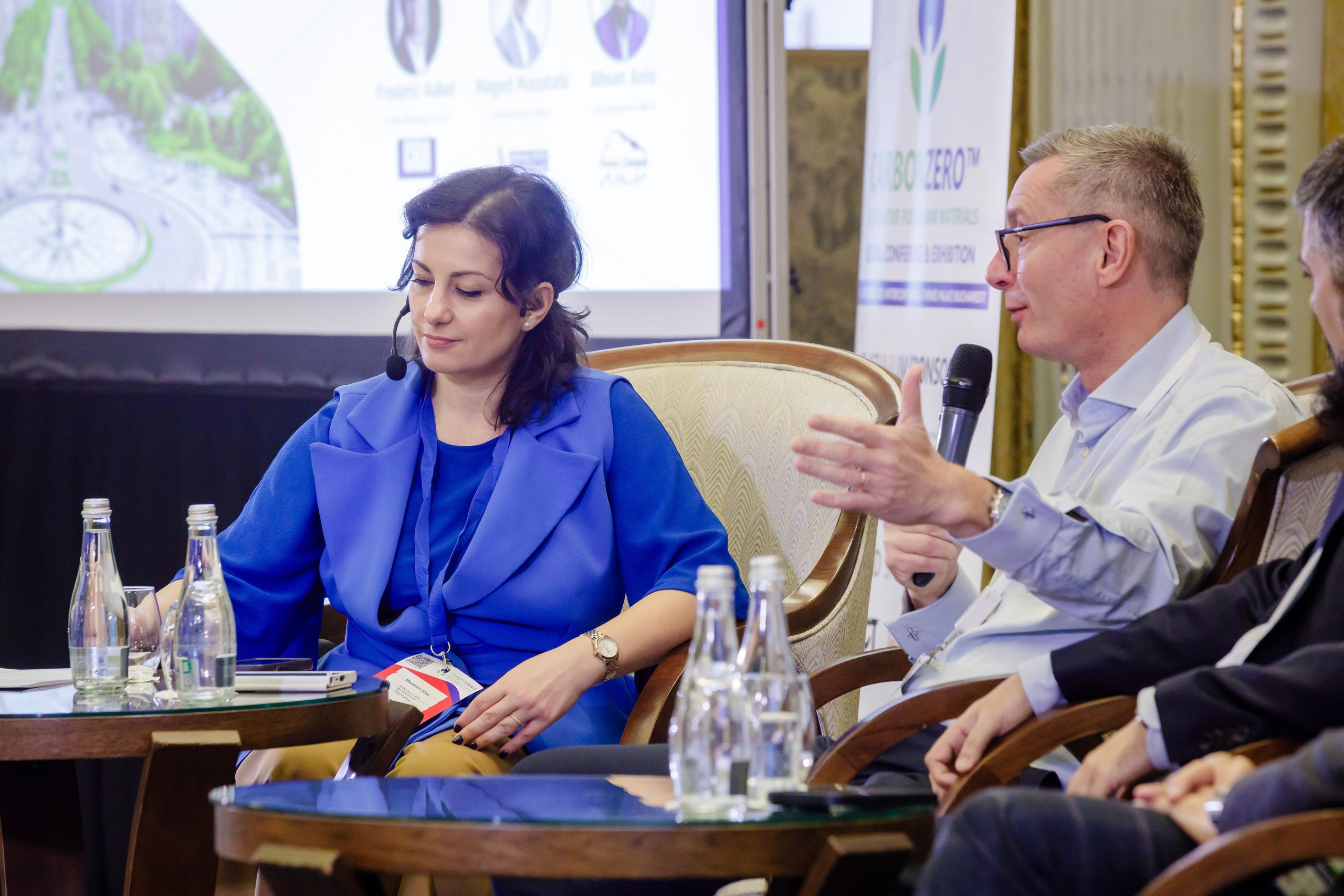
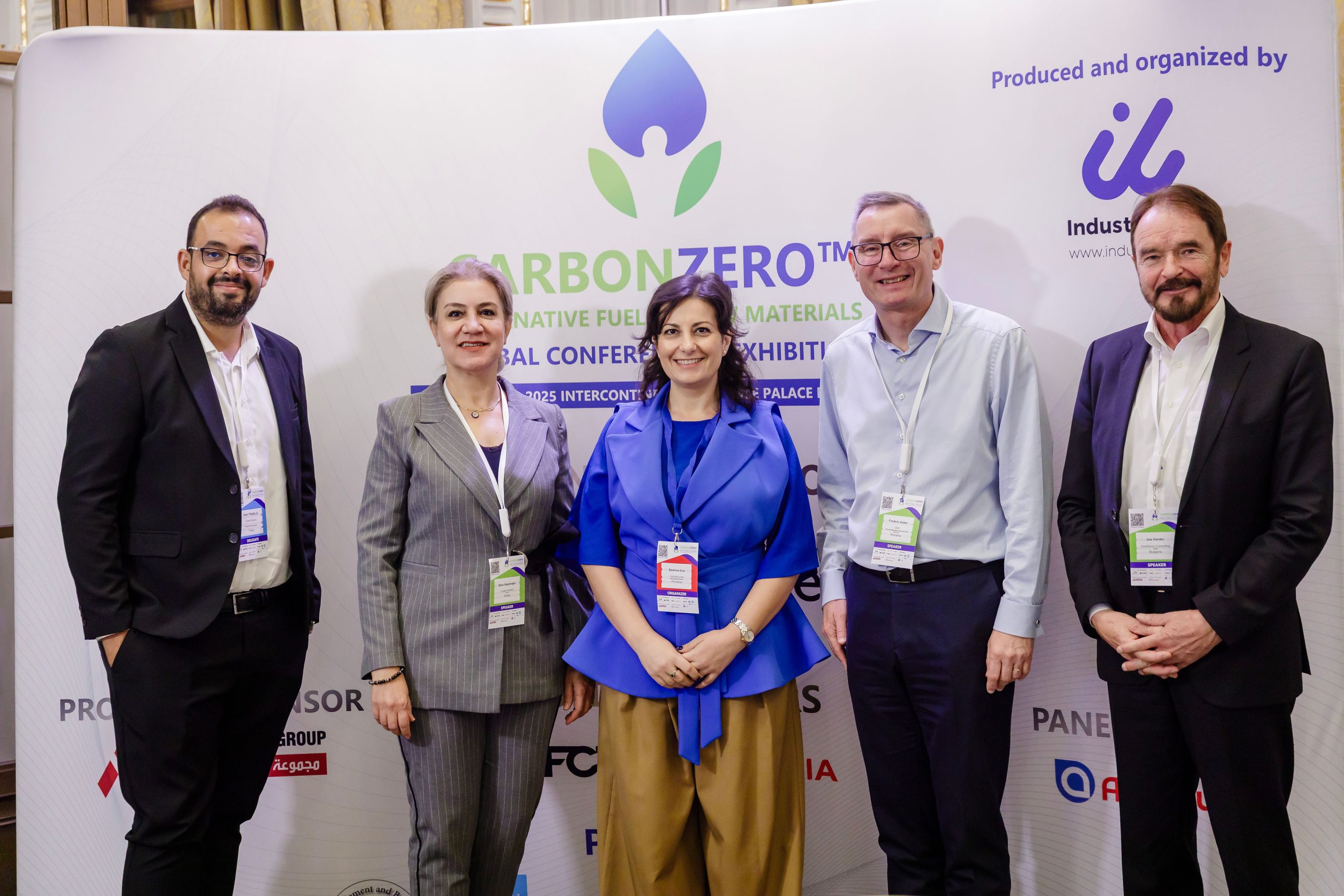
CarbonZero Global Conference & Exhibition 2026

5th Edition – Brussels, Belgium. With a Visit to Holcim Go4ZERO Cement Plant in Obourg, Belgium and Awards

Alternative Fuels, Alternative Raw Materials and low‑carbon innovation continue to define the global transition to NetZero. Now entering its 5th edition, CarbonZero 2026 reinforces its position as the leading international platform dedicated to decarbonizing cement, construction, and heavy industries. This is the first and only event looking at the decarbonization process from a complete 360 view.

Taking place in Brussels, Belgium from 27–29 October 2026, the event brings together C‑level executives, senior decision makers spanning from cement and construction materials producers to environmental leaders, machinery, solutions and technology developers, researchers, traders, authorities, academia, consultants,  associations and global think tanks. The program is curated, designed to offer a full perspective on the pathways, technologies and strategies that accelerate the shift to a low‑carbon future.

A special highlight of this edition is the exclusive technical visit to Holcim Belgium GO4ZERO plant, offering participants a first‑hand look at cutting‑edge decarbonization initiatives and industrial-scale innovation.

An overview of the previous edition in 2025 is available here: https://industrylink.eu/carbonzero-2024-pioneering-sustainable-solutions-for-cement-construction.

Event Dates: October 27 – 29, 2026 – Brussels, Belgium

CarbonZero: Redefining Decarbonization in Cement and Construction

After four consecutive sold-out editions across Romania, Spain, France, and Portugal, the 5th Edition of the CarbonZero: Alternative Fuels and Raw Materials Global Conference and Exhibition is moving the needle even further.

This isn’t just another industry gathering; it is a high-level business networking forum with a tailored, unique approach. Here, the focus is on the people behind the progress—where professionals meet to build the change of tomorrow, moving beyond just corporate presence to foster genuine collaboration.

The Mission: Turning Today’s Waste into Tomorrow’s Assets

The industry is at a crossroads. CarbonZero focuses on tangible solutions that give new life to old resources, moving beyond theory to implement:

  • Alternative Fuels: Accelerating the transition away from fossil energy.
  • Clinker Alternatives: Reducing the carbon footprint at its core.
  • Circular Economy: Utilizing alternative raw materials to close the loop in construction.

Exclusive Technical Visit: Holcim Go4ZERO

In a landmark addition to this year’s program, delegates will gain firsthand insight into the future of the industry. The 5th edition includes an exclusive visit to the Holcim Go4ZERO plant in Obourg, Belgium, showcasing world-class innovation in decarbonization and large-scale industrial transformation.

An Elite Forum for Change-Makers

We curate a diverse mix of stakeholders to ensure every conversation has the potential to spark a revolution. This event is strictly for decision-makers and C-level executives from:

  • Cement and Building Material Manufacturers
  • Construction Leaders & Technology Providers
  • Innovation, R&D, and Environmental Specialists
  • Leading Academia and Regulatory Authorities

Secure Your Spot

Take advantage of our compounding discount structure to maximize your ROI:

  • Early Bird Rates: Secure the lowest price by booking early.
  • Group Discounts: Save more when your leadership team attends together.
  • Newsletter Perks: Apply exclusive subscriber codes on top of existing discounts.

Register now to join the vanguard of industrial decarbonization. Email us at contact@industrylink.eu for full event brochure. Subscribe to our newsletter and receive 20% off the rates to each event we organize on www.industrylink.eu/#signupnow.

The CarbonZero VIP Ticket includes the exclusive technical visit to the GO4ZERO plant, the Standard ticket only the conference and exhibition.

Why participate?

The program will feature top experts to discuss the latest developments and challenges in product manufacturing and technology applications, with specific case studies from international key

markets. We welcome presentation suggestions and topics as well as reputed professionals who should be leading the panel discussions on site.

Want to have a presentation and/or exhibition space? See the Sponsorship brochure and discuss with an Industry Link team member to help you decide which package works best for you. Ask for your copy of the file at contact@industrylink.eu.

Industry Link gives the conference participants the quality of venue and participants they require for a C+ event, time to actually network, learn and discuss, building genuine connections and business acumen with the relevant professionals they need to meet with curated introductions made by the organisers – you won’t just be attending an event, you will be enjoying an experience where you are taken care of.

Sponsorship Opportunities

Platinum, Gold, Panel and Program sponsorships are available, with dedicated rates for producers and suppliers.
Speaking opportunities for suppliers are limited to 6 slots and are selected and tailored to fit the program.

For tailored rates: contact@industrylink.eu
For sponsorship packages: carbonzero@industrylink.eu
CarbonZero 2026 Awards


Recognizing excellence in industrial decarbonization and leadership across alternative fuels, circular raw materials, and low-carbon cement solutions.

Award Categories:

  • CarbonZero Industrial Decarbonization Project of the Year : Vote HERE
  • CarbonZero Decarbonization Leadership Award: Vote HERE
  • Deadline October 21

Public voting-awarded· Presented during CarbonZero 2026.

Submit your project in a transfer archive at mariana.gheorghe@industrylink.eu to include

  • Name of project
  • Project Coordinators
  • Location
  • Photos (5 -10 photos, 300dpi, max.2MB/photo)
  • Description of Project (max. 500 words)
  • Impact

Explore Our Full Calendar

Explore our full calendar of international events, including the Cementitious Materials TechTrade Congress, Industry 5.0 Conference, Sustainability & ESG Summit, CarbonZero Global Conference, and Women in Cement & Construction Congress, and stay updated on speakers, topics, and exclusive offers by subscribing to our newsletter.

Other events in 2026:

Cementitious Materials International Congress Europe 2026 – October 28-29, at the Tangla Hotel in Brussels, Belgium

The Cementitious Materials International Technical and Trade Congress Europe is the finest industry event for SCMs, the premier gathering of cement traders, industry experts, and professionals passionate about the latest advancements and limitless opportunities in the field of cementitious materials including ashes, slags, artificial and natural pozzolana, fumes, clays and construction and demolition waste used as alternative raw materials.
 

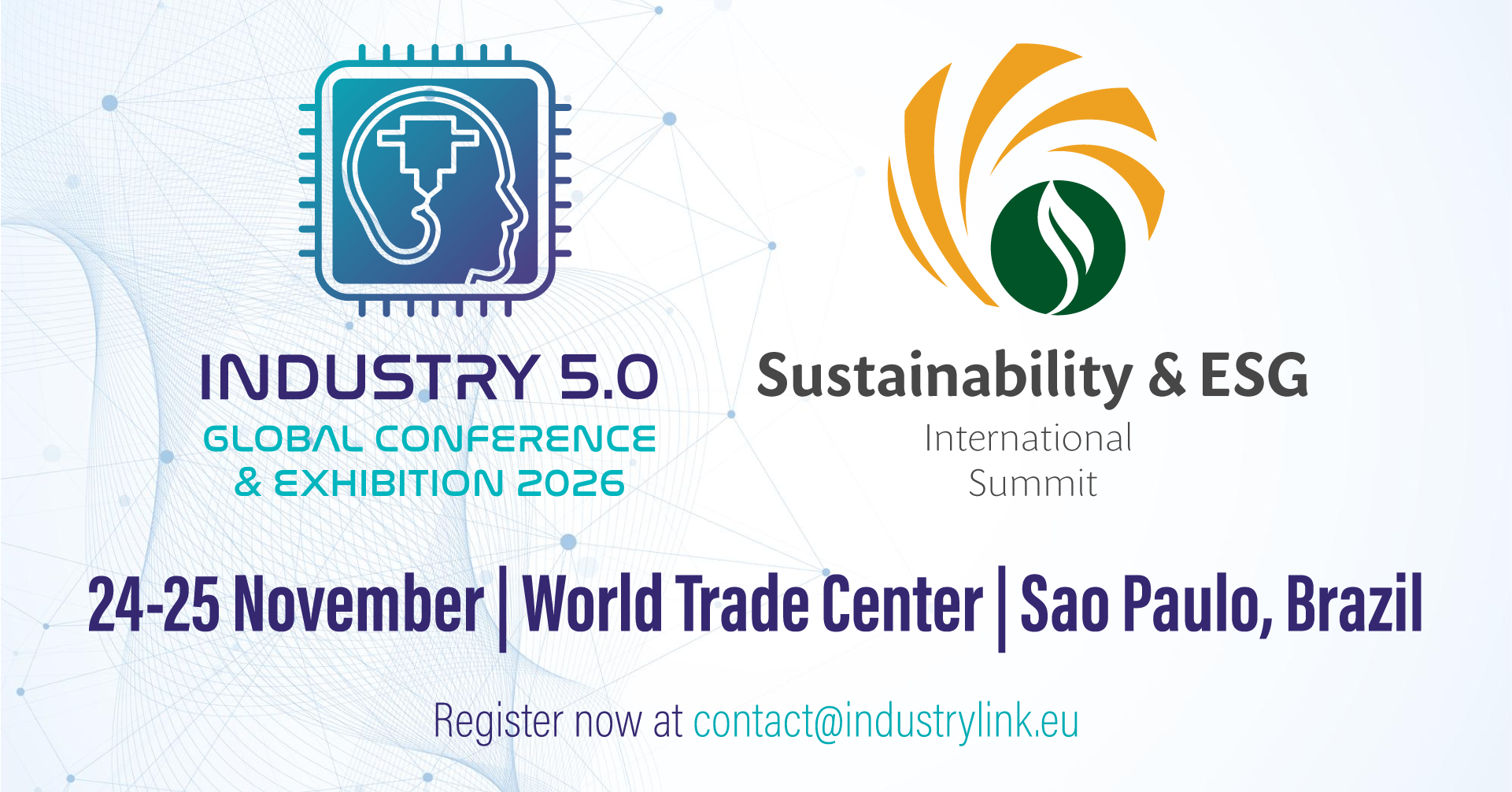
Sustainability & ESG and Industry 5.0 Conference and  Exhibition – November 24-25, 2026; Location: World Trade Center Sao Paulo, Brazil

A premier regional platform for industry leaders to discuss sustainability, ESG strategies, and regulatory advancements in cement and construction. This event brings together thought leaders and corporate professionals from around the world to explore the latest trends in sustainable finance, legal frameworks, and industry innovations.

Industry 5.0 sessions will discuss how AI and Automation and other smart solutions are contributing to the decarbonization of the cement & construction industry.

The event is designed to inspire, educate, and empower corporate attendees to drive sustainable progress and create a positive impact on our planet and society, previous editions were held in Madeira, Portugal and Cairo, Egypt in 2024 and 2025 respectively.
 

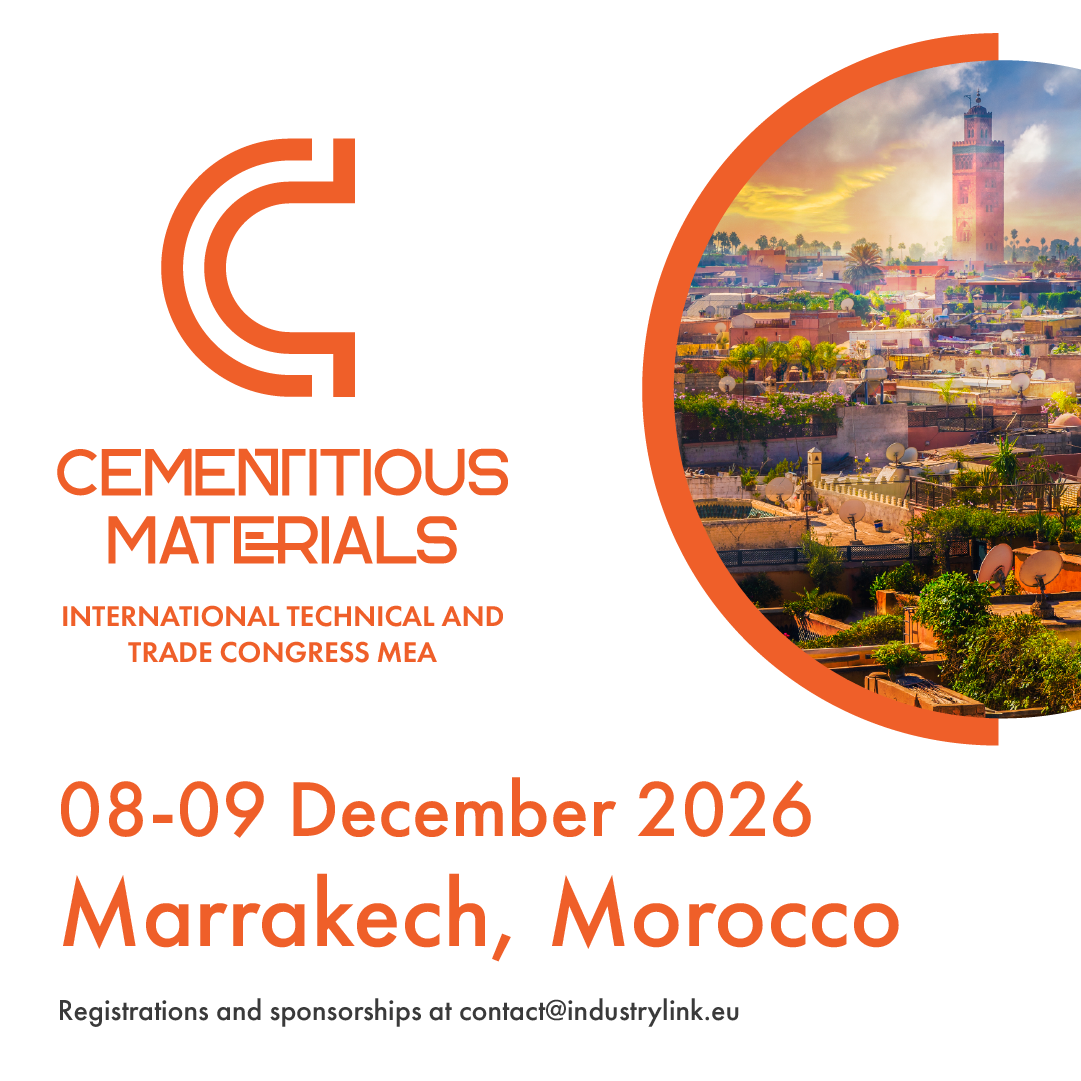
Cementitious Materials International Congress MENA – December 8-9, Marrakech, Morroco

Cementitious Materials International Congress MENA – December 8-9, Marrakech, Morroco Cementitious Materials International Congress Americas 2027 – March 11-12, 2027 Fort Lauderdale, Florida, USA, Bahia Mar by Hilton Hotel
Sign up to our newsletter on industrylink.eu to receive the latest news and future events info as well as exclusive pricing. Follow our LinkedIn page for news and insights for the next events.

 

Event Details
CarbonZero 2026 - Individual Rate Standard
2,879.12$

Secure your place today by purchasing your ticket online.
Your pass includes lunches and coffee breaks, as well as a PDF copy of all presentations, delivered directly to your email after the event.
Group rates apply for 3 or more participants, and a 5% bank processing fee is already included in the final price

Newsletter subscribers enjoy a 20% discount on all event tickets.

CarbonZero 2026 - VIP Individual Rate Standard
3,484.65$
Out of stock

Secure your place today by purchasing your ticket online.
Your pass includes the Holcim Go4ZERO plant visit, lunches and coffee breaks, as well as a PDF copy of all presentations, delivered directly to your email after the event.
Group rates apply for 3 or more participants,
A 5% bank processing fee is already included in the final price

Newsletter subscribers enjoy a 20% discount on all event tickets.

Agenda of the day
9.00 - depart from Tangla Hotel by bus to Holcim Go4ZERO Plant, Obourg, Belgium
10.15 Arrival at Holcim Belgium
10.30 Welcome and presentation of GO4ZERO - Claudia Albertini and Stany Vaes
11.00 - 11.15 PPE Distribution
11.15 - 12.15 Visit of the Cement Plant and GO4ZERO construction site - Stany Vaes & Nicolas Grégoire
12.15 - 12.30 PPE Restitution
12.30 End of the visit
13.00 - Lunch and return to Tangla Hotel

GO4ZERO programme is a complete deep transformation journey for Holcim's cement operations in Western Europe, moving from an outdated high-carbon-footprint production process to a groundbreaking new industry reference. From the raw materials to the cement portfolio, GO4ZERO triggers all the possible levers to drastically leverage circularity, improve environmental performance and cut CO2 emissions to a minimum, while aiming to reach Near-zero carbon production in the coming years thanks to robust partnerships in the developed CCS value chain

The Global Cement Market Overview — Alexander Makhlay, Argus Media

How conflict in the Mideast Gulf, EU's CBAM and record Chinese volumes are redrawing global cement and clinker trade flows, with West Africa emerging as the key outlet for displaced supply.

Mideast Gulf

War in the region has disrupted trade. Saudi Arabia, normally the largest Gulf exporter, has reported no new cement or clinker loadings, having averaged about 113,800 t/month of cement and 295,400 t/month of clinker in 2025. UAE volumes have also fallen away from last year's averages.

Turkey

Turkish suppliers have gained ground in West Africa and the US as Egypt concentrates on its domestic market, but the picture is complicated. Export quotas introduced on 17 April disrupted shipments, and CBAM charges from 1 January have prompted some European buyers to cut purchases. Talks on moving quotas to annual limits point to a settlement later this year.

Vietnam and China

Vietnam is squeezed by high freight rates, growing Chinese competition and a domestic focus, with several suppliers largely sold out. China, meanwhile, has pushed exports sharply higher on the back of overcapacity: 6.28mn t of cement in 2025, up 37pc on the year, and 5.15mn t of clinker, more than ten times year-earlier volumes.

West Africa

Supply has been reshuffled rather than reduced. Egypt cut clinker sales to the region from 8.22mn t in 2024 to 343,000t in 2025, and China, Vietnam and others have moved in to fill the gap. Buyers have stayed broadly consistent, and infrastructure demand and urbanisation are absorbing the extra tonnes with limited price impact.

US and EU

US imports continue to slide on market uncertainty, higher delivery costs and weak residential construction, with a near-term recovery unlikely while Gulf and Asian supply is constrained. In Europe, CBAM could add $12-20/t to imported cement and clinker, and more where emissions are unverified.

CO₂-induced climate change is severely affecting our environment, with increasingly significant consequences worldwide, including heatwaves causing fatalities, droughts, water shortages, as well as localized heavy rainfall, hailstorms, and flooding. To reduce emissions from the cement and lime industries, new types of refractory linings offer both technical and economic solutions for rotary kilns. These linings are characterized by a higher degree of engineered porosity, resulting in lower thermal conductivity and, consequently, reduced heat losses from the kiln. The retained thermal energy remains available for enhanced alite formation and clinker production, or alternatively for reduced fuel consumption. Such measures not only help mitigate the growing societal and economic costs associated with the aforementioned climate-related impacts but also lower direct operational expenses through reduced consumption of primary fuels and fewer required CO₂ emission allowances. The interaction between the physical properties of the refractory lining and the associated economic effects translates into attractive benefits on a total cost of ownership basis. Cost-benefit analyses can be performed for individual rotary kilns and different lining concepts, including both partial and full energy-saving installations, while taking fuel and CO₂ certificate prices into account.

Keywords: climate change, cement clinker production, refractory lining, CO2 reduction, physical evidence, economical benefit, sustainability

• Nikos Nikolakakos, Environment & Resources Manager, Cement Europe
"Use of Alternative Fuels in the EU Cement Industry"
• Adriana Fernandez, Industrial Decarbonization Analyst, UNIDO
• Herve Camerlynck, Managing Director, FEBELCEM, Managing Director, European Concrete Paving
Association

“The presentation will focus on the past, the current and the future use of alternative fuels in the EU cement industry. Starting from the description of the European legal framework and following with the reaction by Cement Europe with its Net Zero Roadmap, as well with the description of the contribution of co-processing to the carbon neutral cement industry. Special attention will be given to the trends, the statistics and the way forward having in mind the opportunities, the main drivers, and the specific challenges in certain regions.

I will bring the perspective of the Net-Zero Partnership for Industrial Decarbonization (NZP-ID), a UNIDO initiative supporting emerging markets and developing economies in accelerating industrial decarbonization. My contribution will focus on what it takes to move from successful pilot projects to large-scale deployment of alternative fuels in the cement sector. This includes creating viable business models, securing reliable long-term feedstock supply, strengthening monitoring systems to track emissions and performance, and developing the policy and institutional frameworks needed to make alternative fuels a lasting part of industrial decarbonization.

• Mohammed Medhat Zaki, Head of Alternative Fuels & H₂ Operations Management, Arabian Cement Company
"Advancing Alternative Fuel Technologies: Maximizing AF Thermal Substitution for Cement Decarbonization"
• Bodil Recke, Global Cement BU Manager, ABB
“Cementing autonomy - Monitoring, advanced control and AI optimization the steps on the way”
• Pilar Hidalgo, Head of Innovation, Cementos Las Cruz
“ERACLITUS: Shaping the Future of Cement through Material Innovation”

Alternative fuels have become a key driver of decarbonization in the cement industry, enabling lower carbon emissions while improving fuel diversification and operational sustainability. This presentation will showcase the latest alternative fuel technologies implemented at Arabian Cement Company (ACC) and how these innovations support a higher AF TSR through reliable and efficient operation. It will also provide an overview of the alternative fuels market, current opportunities, challenges, and future trends that influence the availability and quality of alternative fuels. Finally, the session will explain how ACC is positioning alternative fuels as a strategic pillar of its decarbonization roadmap by continuously investing in technology, operational excellence, and market development to achieve a higher AF TSR and accelerate the transition toward low-carbon cement manufacturing.

ERACLITUS is developing a new generation of low-carbon cements by expanding the range of supplementary cementitious materials available to replace clinker. The project transforms locally sourced industrial, mining and agroforestry residues into valuable resources for cement production, combining decarbonisation with circularity. Its innovative industrial process is designed to deliver high-performance products while drastically reducing their carbon footprint. By demonstrating a scalable and replicable model, ERACLITUS aims to accelerate the transition towards a more sustainable and resource-efficient cement industry across Europe

• Alejandro Yepes, Seal Plus Motofrenos
• Andres Ponce, CEO, WTEnergy Advanced Solutions
• Bernd Henrich, Area Manager, Gebr. Pfeiffer
"How Gebr. Pfeiffer Mills Support the Cement Industry on the Path to Carbon Zero"

Grinding plays a significant role in the cement manufacturing process.

Cement raw materials must be ground, and moisture present in the material needs to be removed from the process through drying.

Powdered fuel, when used in the thermal process of clinker production, has to be ground and usually dried as well.

The clinker is ground together with the various available SCMs. As a rough rule of thumb, the more SCM and thus the less clinker used in a cement, the finer the cement must be ground.
On the other hand, finer grinding requires more electrical energy.

In all the grinding processes described, the vertical mill is the machine that can perform the task with the lowest electrical energy consumption and thus contribute significantly to CO₂ reduction in Scope 3. Out of the portfolio of vertical mills the MVR mill of Gebr. Pfeiffer is the advanced in view of sustainability.

As far as the use of alternative materials is concerned, clay and the calcined clay produced from it are now optimized through grinding and drying utilizing a vertical mill. Here, too, the energy balance favors the MVR mill and CO2 reduction.

A second key aspect on the path to carbon neutrality is the optimized use of heat, which is required in all processes involving the drying of moist raw materials.
Gebr. Pfeiffer grinding systems are optimized to enable production with the minimum amount of external heat required..

Concepts for utilizing externally available heat sources or for generating heat without the need for fossil fuels are at an advanced stage of development. Pilot plants that use photovoltaic-generated power for heat generation, for example, are currently being implemented. H2-ready concepts are also ready to be validated in pilot plants.

The third area where Gebr. Pfeiffer is significantly supporting the cement industry on its path to carbon neutrality can be seen during the plant tour in Obourg.
Oxyfuel is the key term in modern clinker production. It is essential to have a process gas system that is as sealed as possible.
Any ingress of ambient air introduces nitrogen into the system and reduces the high-purity oxygen concentration of the process gases.
The MVR mill from Gebr. Pfeiffer is designed to offer the highest level of tightness among available grinding units. Thanks to design and process engineering measures, false air can virtually not enter the process gases or the material stream.
All clinker production facilities currently being built in Europe, that are designed according to the oxyfuel concept, use an MVR vertical mill from Gebr. Pfeiffer as their grinding unit.

This is a unique technology related point for all future oxyfuel projects.

• Martina Bassan, Corporate Affairs Director, European Metals
• Isabela Stefoni, Environmental Manager, PORR Construct

• Kerry Sutton, Executive Director, NEU: An ACI Center of Excellence for Carbon Neutral Concrete
"The State of Low-Carbon Concrete in the Built Environment – NEU's Perspective"
• Maria del Mar Rojas, Engagement Manager Europe, Science Based Targets initiative (SBTi)
"Operationalizing the Corporate Net-Zero Standard V2.0 for Cement: A Call to Action for the Sector"
• Leon de Graaf, President, Business Advisors for CBAM Coalition
"Positioning Low-Carbon Cement for commercialization under CBAM and the ETS1 Revision"

During this presentation, Kerry Sutton, Executive Director of NEU: An ACI Center of Excellence for Carbon Neutral Concrete, will share how the organization continues to monitor sustainability activities in the construction sector and to support advancement of new and emerging low -carbon concrete materials and technologies. This presentation will also highlight the importance of the role of standards development organizations, such as the American Concrete Institute (ACI) and others who are working to incorporate new and innovative materials and technologies into standards, specifications, guides and educational programs. NEU collaborates with global stakeholders along the entire value chain to achieve shared climate and resiliency goals. Established in 2022 by the American Concrete Institute, NEU’s mission is to accelerate globally, the adoption and use of reduced-carbon concrete technologies, empowering stakeholders to create a resilient built environment.

The presentation will outline how the Business for CBAM Coalition engages with its members to position and accelerate the commercialisation of low‑carbon cement and other hard‑to‑abate products within the evolving EU regulatory landscape. With the CBAM entering its transitional phase and the ETS1 revision reshaping free allocation, carbon exposure and investment incentives, producers face both new obligations and new market opportunities.

This session will examine how companies can strategically frame low‑carbon products in commercial discussions, how CBAM reporting and ETS1 benchmarks influence pricing and procurement behaviour, and what signals downstream buyers need to support early market uptake. It will also highlight the Coalition’s work on harmonising industry messaging, addressing compliance challenges, and supporting members in navigating the shift toward measurable, verifiable low‑carbon product differentiation.

SBTi has recently launched the Corporate Net-Zero Standard V2.0, its most comprehensive framework yet for corporate climate action, which becomes available for target setting in February 2027. For hard-to-abate, capital-intensive sectors like cement, the Standard introduces significant optionality for target setting. Rather than the Sectoral Decarbonization Approach (SDA) being effectively the sector's default route, V2.0 sets out sector-specific emissions-intensity pathways, an Asset Decarbonization Plan method reflecting how capital-intensive assets actually retire, retrofit, and replace across investment cycles, and clearer criteria for market instruments and sector-level actions where activity-level abatement is constrained.

Ensuring that future cement guidance under V2.0 is genuinely actionable requires close collaboration with industry. Starting this November, SBTi will kick off a structured process to do exactly that: an open Call for Evidence inviting cement producers, technical experts, and value-chain stakeholders to surface the operational realities, data constraints, and decarbonization levers unique to the sector, followed by a series of technical workshops to co-develop the requirements for updated cement guidance.

This session will introduce CNZ V2.0's relevance for cement, outline key changes and their implications for target-setters, and set out how the industry can engage in the Call for Evidence and workshop process. The goal: guidance that is scientifically robust and reflects how cement plants, kilns, and capital stock actually transition—built with the sector, not just for it.

optional for those who marked it when registering

Achieving carbon-zero cement requires transformative materials strategies that go beyond clinker reduction and conventional CO2 mitigation. Carbon mineralization offers a promising pathway by converting CO2 into stable phases while creating functional cementitious materials with extremely low or even negative embodied carbon. This keynote will highlight emerging carbon-negative initiatives enabled by transformative carbon mineralization, with emphasis on three directions. First, powder-scale CO2 mineralization of selected solid wastes can produce carbon-negative supplementary cementitious materials by combining permanent carbon storage with improved material functionality, including filler effects, reactivity enhancement, and compatibility with cement systems. Second, alternative cements based on magnesium carbonate chemistry provide a distinct route in which CO2 serves as a reactive feedstock for forming binding phases, enabling carbonate-driven strength development and carbon storage. Third, alternative binders enabled by nontraditional carbon mineralization reactions expand the design space of “cement.” Together, these approaches point toward a new paradigm for cement and concrete: designing binders that actively mineralize carbon while delivering scalable performance. The keynote will discuss materials chemistry, processing strategies, performance validation at the mortar and concrete scales, and scale-up production insights to accelerate these technologies.

• Quentin Philippe, CEO, Alithic
• Loren Burnett, President & CEO, Prometheus Materials Inc.
• Jean-Philippe Benard, Chief Executive Cementitious Business & Energy, TITAN Group
• Cobi Busst, Beaumont Bailey
"Building SCM Teams at Scale: Why Cement Needs a New Leadership Model"

Cement is undergoing a fundamental commercial evolution: from localised commodity to integrated, lower carbon product portfolios and solutions. SCMs sit at the centre of that shift. As one of the few instantly commercially viable routes to greener cement, combining efficiency with decarbonisation, they make the customer choice simple. But that simplicity rests on real complexity: constrained supply chains, major asset investment and performance variability and a comprehensive understanding of business building and strategic partnerships. Delivering it demands leaders who bridge project, commercial, strategy and operations seamlessly, aligning global supply chains and partners around a new commercial model. Reflecting on lessons from building SCM teams across major cement and building materials groups, and on conversations with the sector's key decision makers, this session looks to predict the profile of cement's future leadership, and asks whether the industry is prepared.

The presentation will provide a strategic industry perspective on how cement companies can reposition clinker reduction from a technical initiative into a core business and decarbonization strategy. It will examine how manufacturers can develop scalable low-clinker and performance-based cement portfolios while safeguarding product quality, durability, operational reliability, commercial competitiveness, and customer confidence.
The session will connect cementitious-material innovation with industrial capability, supply-chain resilience, evolving standards, market readiness, and disciplined value creation. It will also highlight selected digital and AI enablers that can support formulation optimization, predictive quality management, process stability, and faster industrial deployment.
The presentation will address:
• The strategic case for clinker reduction: Positioning clinker-factor reduction as a practical and scalable pathway for reducing embodied carbon while protecting product quality and business performance.
• Diversifying cementitious materials: Evaluating slag, fly ash, natural pozzolans, calcined clay, limestone, and industrial by-products based on availability, consistency, cost, technical performance, and carbon impact.
• Transitioning toward performance-based cements: Moving from prescriptive cement compositions toward products evaluated through strength, durability, workability, setting time, exposure resistance, and lifecycle performance.
• Optimizing products and production processes: Adapting grinding, blending, activation, homogenization, laboratory testing, and quality-control systems to support higher clinker substitution without compromising consistency.
• Building a sustainable raw-material ecosystem: Developing long-term partnerships with mining, energy, waste-management, and industrial sectors to secure reliable, traceable, and quality-controlled alternative materials.
• Supporting market acceptance: Strengthening standards compliance, technical customer support, environmental product declarations, carbon transparency, product qualification, and performance-based procurement.
• Applying selected digital and AI enablers: Using predictive quality models to optimize cement formulations, digital traceability to monitor alternative-material quality, and advanced analytics to stabilize grinding, blending, and product performance.
• Creating a commercially viable implementation roadmap: Prioritizing product segments, managing supply and quality risks, defining investment needs, and scaling successful formulations from laboratory development to industrial production.

As industries accelerate the transition toward net-zero operations, fire safety has become an increasingly critical component of resilient, sustainable infrastructure. The adoption of renewable energy systems and alternative fuels, into the processes introduce new and evolving fire risks that demand innovative approaches to prevention, detection, and protection.

This presentation will showcase Firefly’s approach to intelligent fire prediction, prevention and protection, highlighting how advanced spark detection, flame monitoring, and rapid suppression technologies help prevent ignition before fires develop into costly incidents. Drawing on real-world applications the session will demonstrate how proactive fire protection safeguards people, assets, business continuity, and sustainability investments.

The presentation will also explore how effective fire prevention supports carbon reduction objectives by minimizing material losses, avoiding emissions associated with fire events, reducing operational downtime, and protecting critical infrastructure essential to the energy transition. As organizations pursue ambitious decarbonization strategies, integrating intelligent fire protection into sustainability planning is no longer simply a safety requirement—it is a strategic enabler of resilient, low-carbon operations.

Attendees will gain practical insights into emerging fire risks in the net-zero economy and learn how Firefly’s proven technologies can help organizations achieve both safety excellence and sustainability goals.

• Vincent Michel CEO at Iscal Sugar | Former GO4ZERO Programme Director
"Lessons learned in developing and executing large-scale CCS project in the cement and sugar industry"
• Irene Dominguez Perez, Policy Manager, Embodied Carbon & Lead Markets, Bellona Europa
"Concrete Carbonation: Climate Solution or Accounting Illusion?"
• Elena Rubio Portillo, Project Management Advisor CCUS EMEA, CEMEX
"From Ambition to Execution: Leading Carbon Capture Projects in the Cement Industry"
• Duncan McLachlan, VP Growth & Enterprise, io Consulting
• Salman Muhammad, Technology and Policy Analyst, Carbon Management Europe - moderator
• Georg Locher, Schwenk Cement
“Strategic approaches to CCS versus CCU prioritization, considering infrastructure readiness and renewable
energy constraints”

Concrete carbonation is gaining momentum as a potential way to remove CO2 from the atmosphere, especially now that the European Commission is exploring the possibility of including it in the Carbon Removal Certification Framework (CRCF), de facto making it a technology eligible for carbon dioxide removals. Still, there are several ways of fixing CO2 in concrete, different CO2 sources, and especially different benefits or trade-offs to consider. Bellona analysed the different possibilities and categorised them into emission reductions, carbon dioxide removals eligible for certificates, and carbon sink, considering not only the climate benefit but also the relevant stakeholders and the effects on standard practices in the construction sector.

Our analysis shows how not only that the two main aspects to be considered are the effects on lifecycle emissions and additionality. Even though some techniques indeed promote the uptake of CO2, they do not necessarily reduce lifecycle emissions but just anticipate a natural-occurring phenomenon or, in many cases, increase overall emissions. Moreover, even though concrete can become a carbon negative material when CCS is used in cement production, it cannot be necessarily considered eligible for carbon removal certificates due to the lack of additionality in that. Finally, we analysed how to distribute the benefits of carbonation along the value chain of concrete to understand at which stages incentives should be directed to ensure the maximum benefit and promote the most virtuous practices.

• Dr. Josilene Ferrer
"Carbon Markets and the Decarbonisation of the Cement Industry: From Compliance to Strategic Transformation —
Insights from China and Challenges for Brazil"
Moderator
• Marta Diez, Country Manager Spain, CFP
• Luyue Tan, Carbon Analyst, London Stock Exchange Group

The cement industry is one of the most challenging sectors for decarbonisation due to its structural emissions, particularly from clinker production. Technological solutions alone are insufficient, requiring strong economic and regulatory signals to drive transformation. Carbon markets are increasingly fulfilling this role. By pricing emissions, emissions trading systems (ETS) are evolving from compliance tools into strategic drivers of industrial change, influencing investment, technology choices and competitiveness.
Drawing on doctoral research on China, this presentation shows how carbon markets have developed from pilot initiatives into the world’s largest ETS, supported by MRV systems and international policy influence. The expansion of China’s ETS—including into sectors such as cement—illustrates how carbon pricing becomes embedded in industrial strategy. The analysis also considers Brazil, highlighting key challenges for emerging economies, including regulatory design, MRV implementation and alignment with global carbon markets. The comparison with China provides insights for institutional development. Finally, the presentation argues that while carbon markets alone cannot deliver net zero, they are a necessary condition for enabling structural transformation in hard-to-abate sectors. Carbon markets are therefore becoming central to both industrial strategy and global climate governance.



• Claudia Albertini, CEO, Holcim Belgium
• Mahendra Singhi, Member of Board of Directors & Strategic Advisor, Dalmia Cement (Bharat) Limited, Board
of Governors, National Council for Cement and Building Materials (NCCBM); Member, Governing Council, The
Energy and Resources Institute (TERI);
• Jean-Philippe Benard, TITAN Group

Area Manager / Sales Director
Gebr. Pfeiffer SE
Technical Program Manager
CRH
Founder and Chief Executive Officer
WtEnergy Advanced Solutions 
CEO for Cementitious Business & Energy
Titan Group
President
Business for CBAM Coalition
Managing Director
Refratechnik Cement GmbH
Executive Manager Special Projects
Refratechnik Cement GmbH
Associate editor
Argus Media
VP Enterpise and Growth
IO Consulting
Director of Sustainability & Corporate Affairs
Holcim Belgium
Head of Alternative Fuels & H2 Operations Management
Arabian Cement Company Egypt - ACC
Industrial decarbonization Analyst for the Net Zero Partnership project
United Nations Industrial Development Organization (UNIDO)
Building Materials & Industrial Manufacturing
Beaumont Bailey
Innovation Director
Cementos La Cruz
Professor, Kummer Impact Professor, and Francisco Benavides Scholar of Civil/Materials Engineering
Missouri University of Science and Technology
CEO
Holcim Belgium
CEO
Iscal Sugar
Lead Markets & Embodied Carbon
Bellona
Environment & Resources Manager
Cement Europe
Corporate Affairs Director
CEO
Alithic
Senior Analyst for International Cooperation and Climate Change
CETESB
Managing Director and Head of Events
Industry Link
Europe Engagement Manager
Science Based Targets initiative (SBTi)
Managing Director & Chief Executive Officer
Dalmia Cement
Business Excellence Director
Riyadh Cement Company
Senior Policy Advisor
carbonfuture
Senior Carbon Analyst
London Stock Exchange Group
Country Manager Spain and Portugal
Cfp Energy
Owner, ESG / Sustainabilty Consultant
GreenPlum Street LLC
Chairman and CEO
Eco Material Technologies

Please send us an email stating your name, title, company, email and phone number as well as company details for invoicing. One of our representatives will then contact you and send the invoice for payment via bank transfer.
After the payment is confirmed, you receive the confirmation and you are added to the delegate list.

Should you prefer paying by card, please use the Tickets tab on our website and complete the payment online. For more than three tickets, the group rate will automatically apply under the Special Tickets section.

Please also email us at contact@industrylink.eu for assistance.

After the payment is confirmed, you receive a confirmation email and you are added to the delegates' list. You automatically become a part of the Industry Link Community of worldwide professionals by being added to our attendee emailing list. We send updates on the event and details for other upcoming events we organize.

The event registration fee includes access to all event presentations, list of participants (companies and titles). If the event is held in person, you also receive the pdf of the presentations, names of the attendees and contact opportunity, coffee breaks and lunch.

Travel visas and accommodation are not included in the ticket price.

If you want to be a presenter contact us at mariana.gheorghe@industrylink.eu and ask for terms and conditions.

Industry Link Team members will always facilitate meeting other event participants. We dedicate full support to organizing one on one meetings on site or on line.
We can also assist in organizing business meetings as separate event facilities.
For more details please email us at contact@industrylink.eu

We send event participants the presentations after the event.
We strongly encourage you to become a part of the Industry link Community of Worldwide Professionals by signing up to our newsletter. This way we can send you the presentations from the events and we can also keep you up to date with other events that may be of interest.

As per our terms and conditions we do not offer cash refunds. You can designate another colleague to attend instead should you not be able to attend anymore. Once you register we commit to covering the respective event expenses to the venue and we have no refunds available.

    Event Details
    Sponsors
    Cart

    INFORMATION ABOUT NEWSLETTERS

    Newsletter Info

    Please select 1 of the 5 segments below so we can reach to you with the appropriate content.
    IMPORTANT