Industrial Decarbonization Project of the Year 2026
The CarbonZero Industrial Decarbonization Project of the Year is a premier award by Industry Link recognizing large-scale, measurable initiatives that successfully reduce carbon emissions in hard-to-abate sectors like cement and construction. The 2026 winners will be awarded at the Tangla Hotel Brussels on October 28, 2026, during the CarbonZero Global Conference.
𝐕𝐨𝐭𝐢𝐧𝐠 𝐈𝐧𝐟𝐨𝐫𝐦𝐚𝐭𝐢𝐨𝐧
All nominations are open for public review. Each participant may cast one vote using their email address to validate the submission. Voting ensures transparency and allows the global community to recognize the individuals and projects they believe have made the most meaningful contribution to industrial decarbonization.
Please review all nominees carefully and submit your vote for the candidate or project you believe best represents leadership and measurable climate impact.

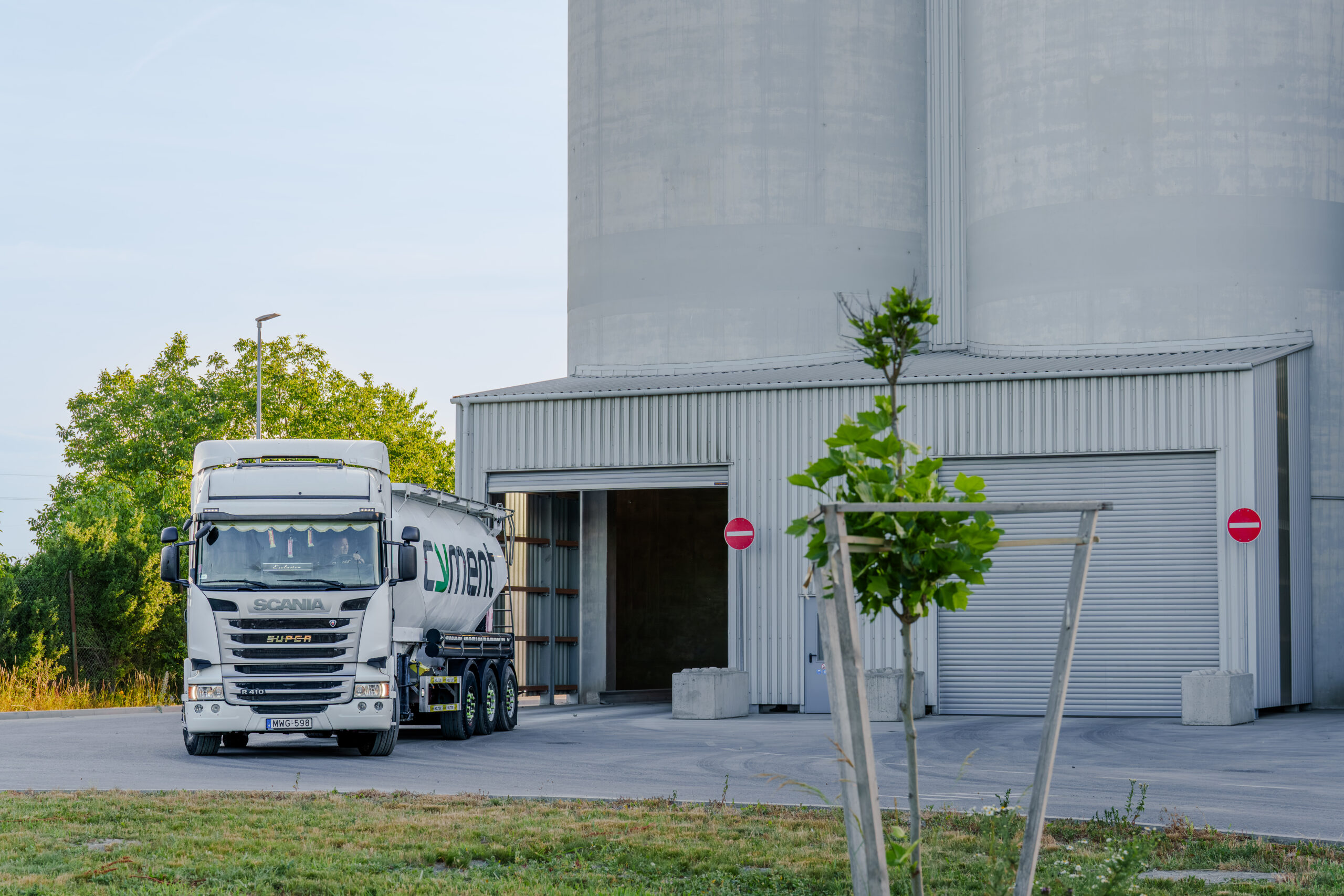
cyment Austria GmbH
Redefining Low‑Carbon Concrete Infrastructure
Why nominated?
Project Details:
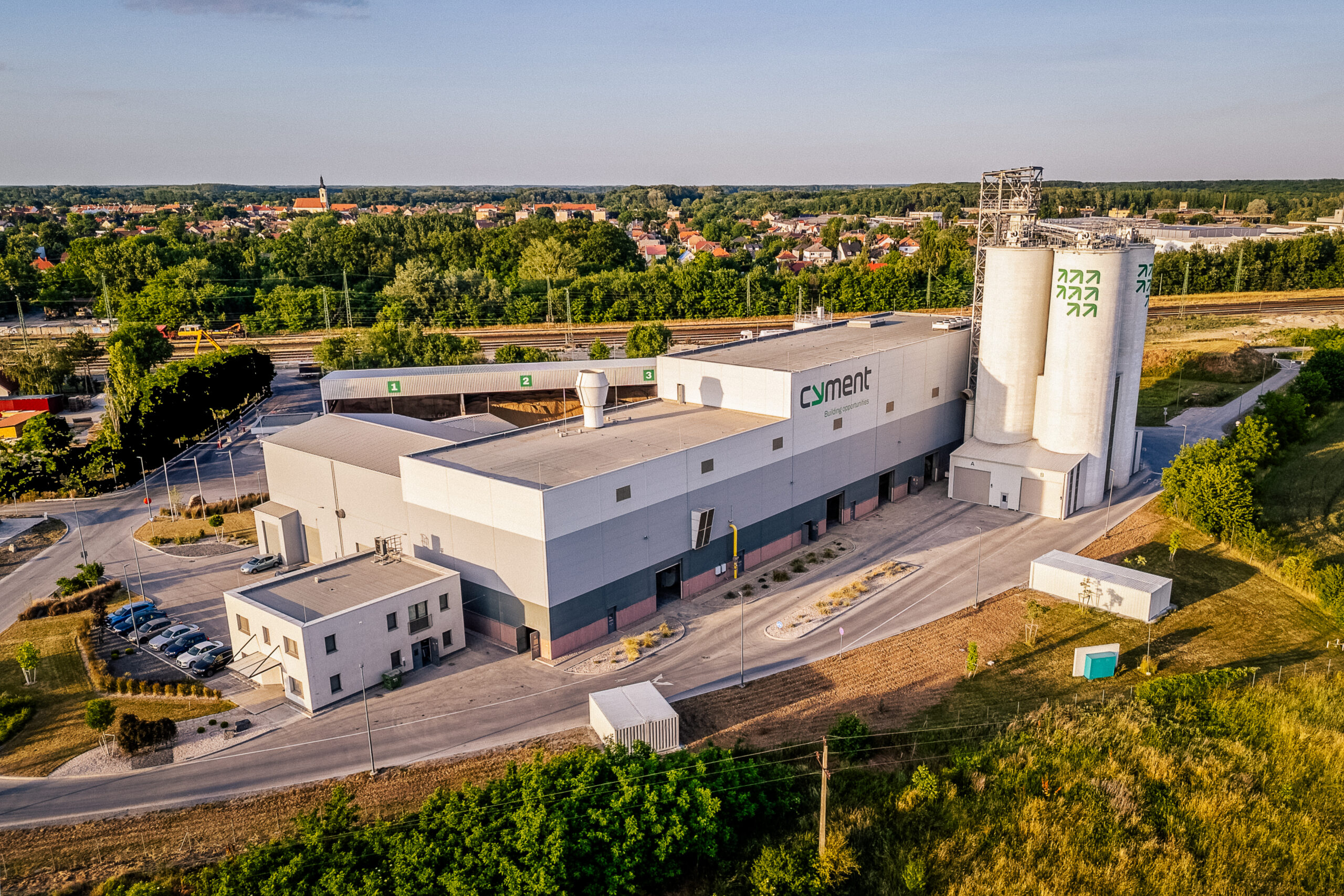
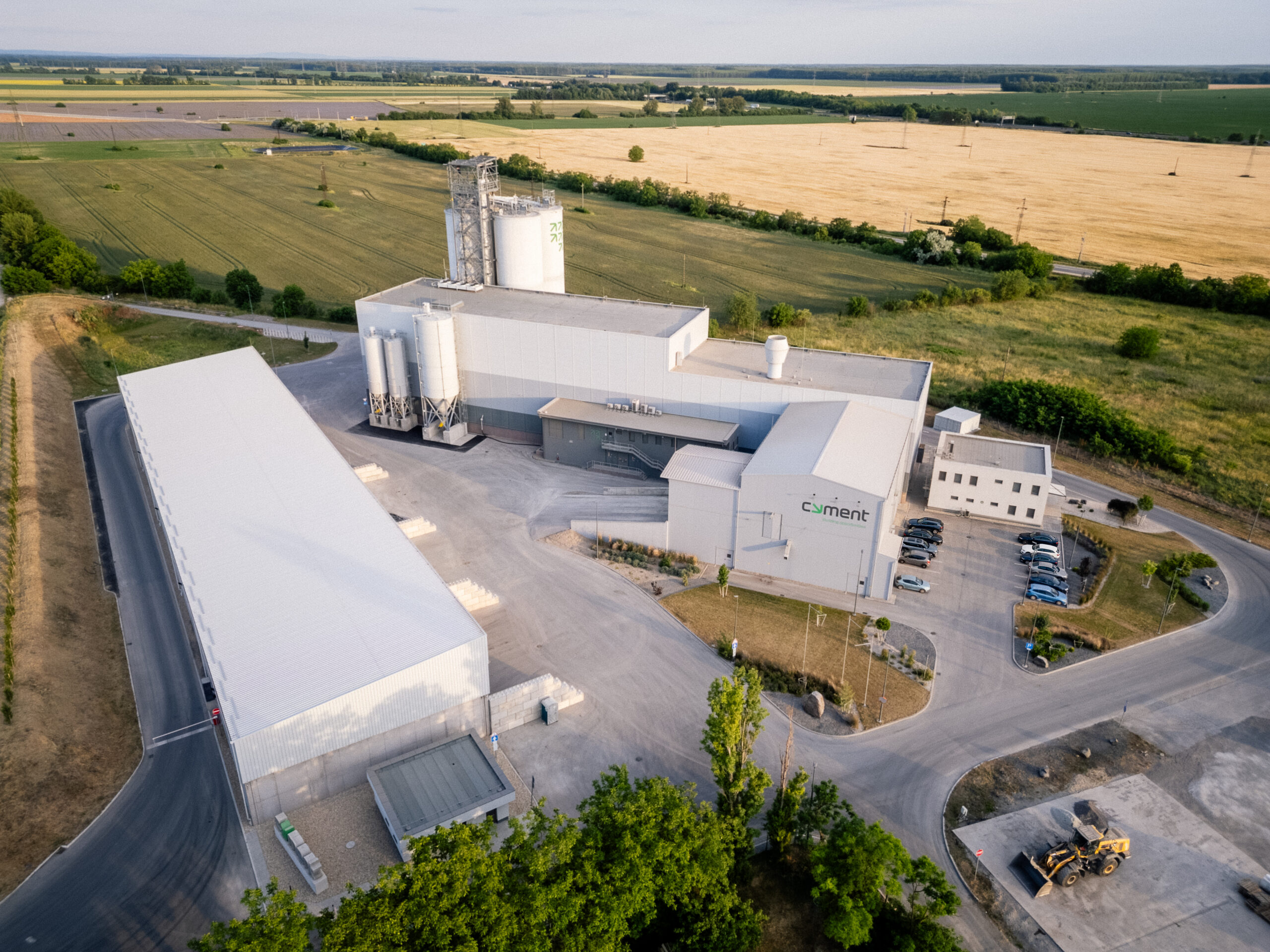
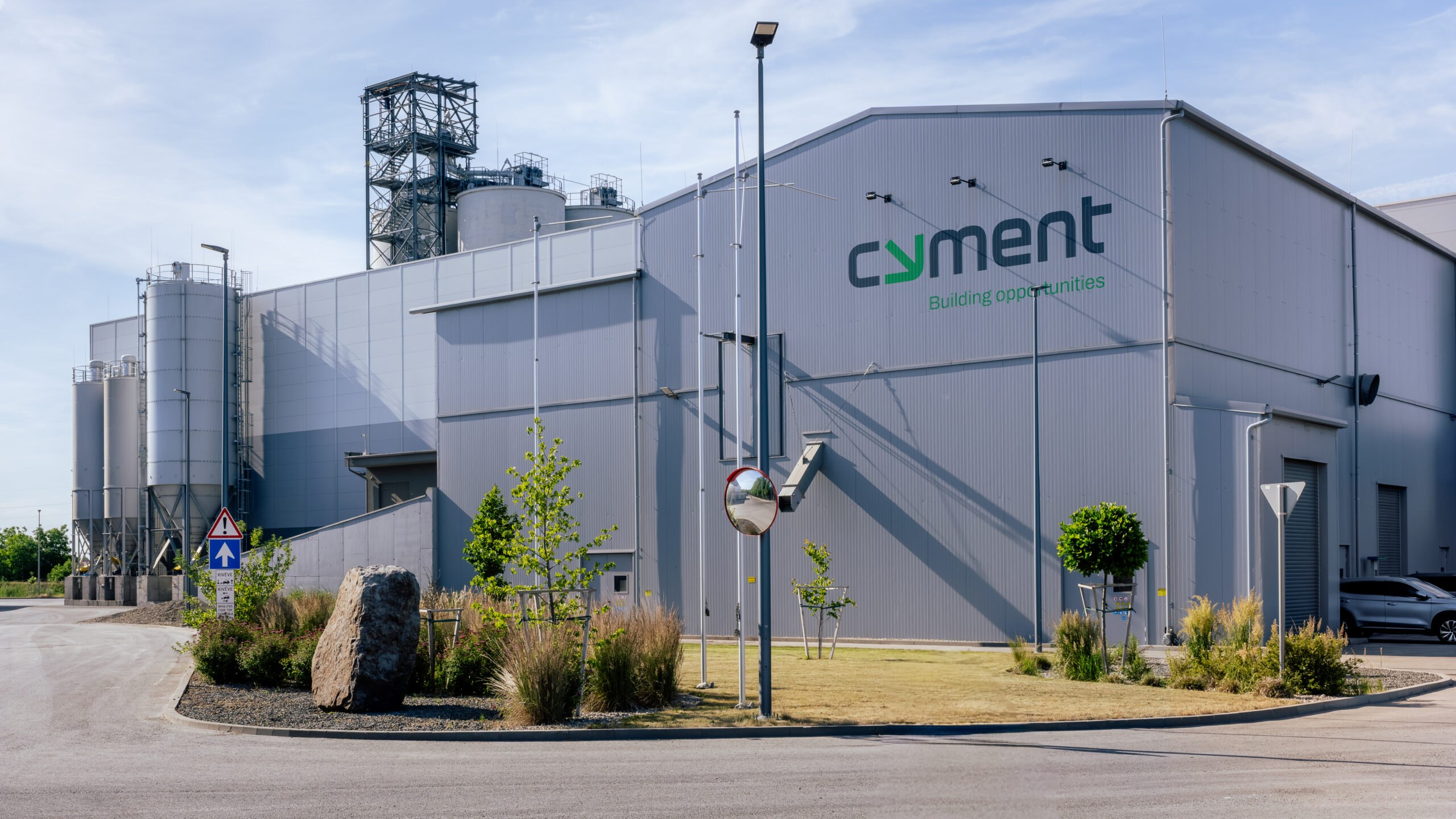
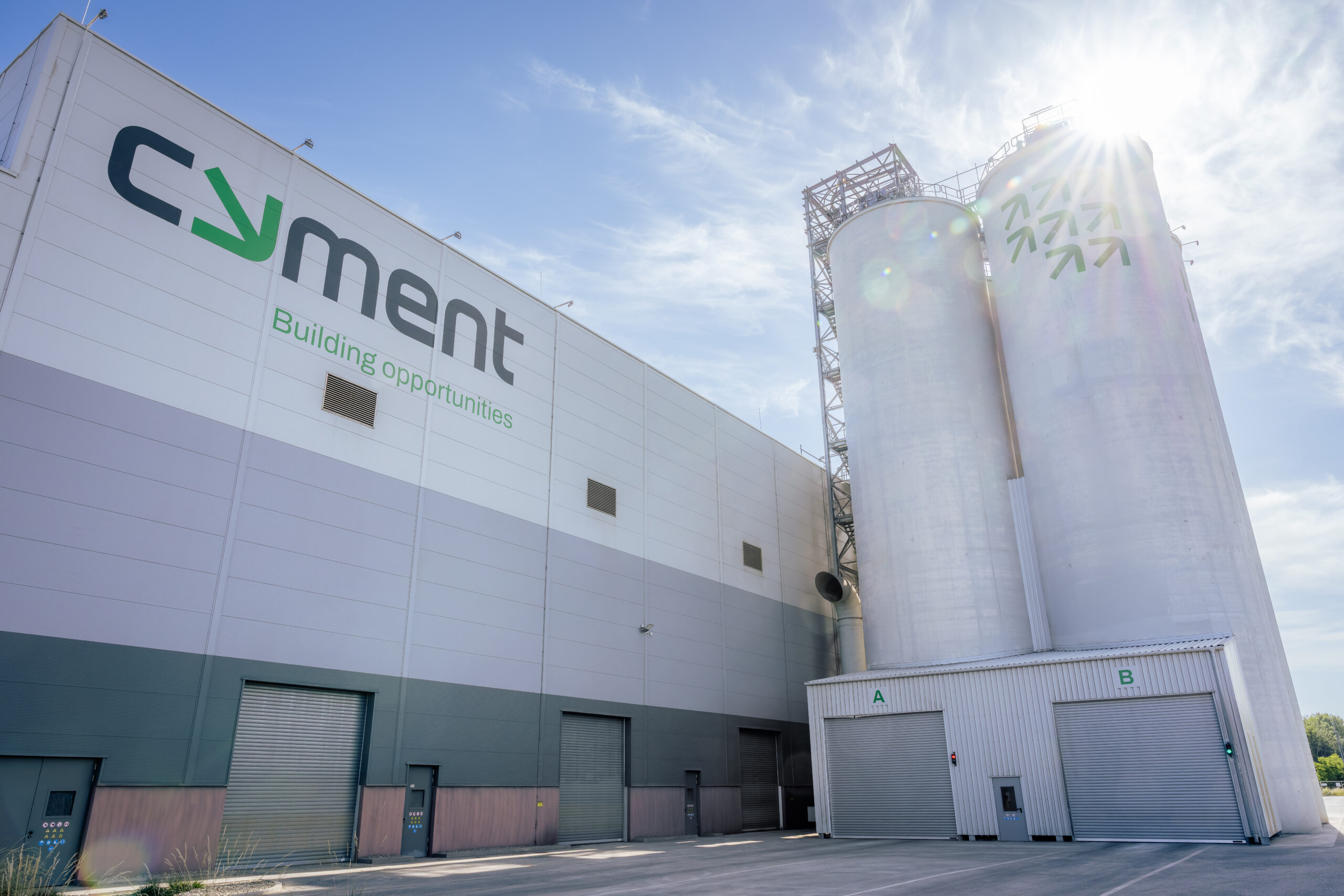
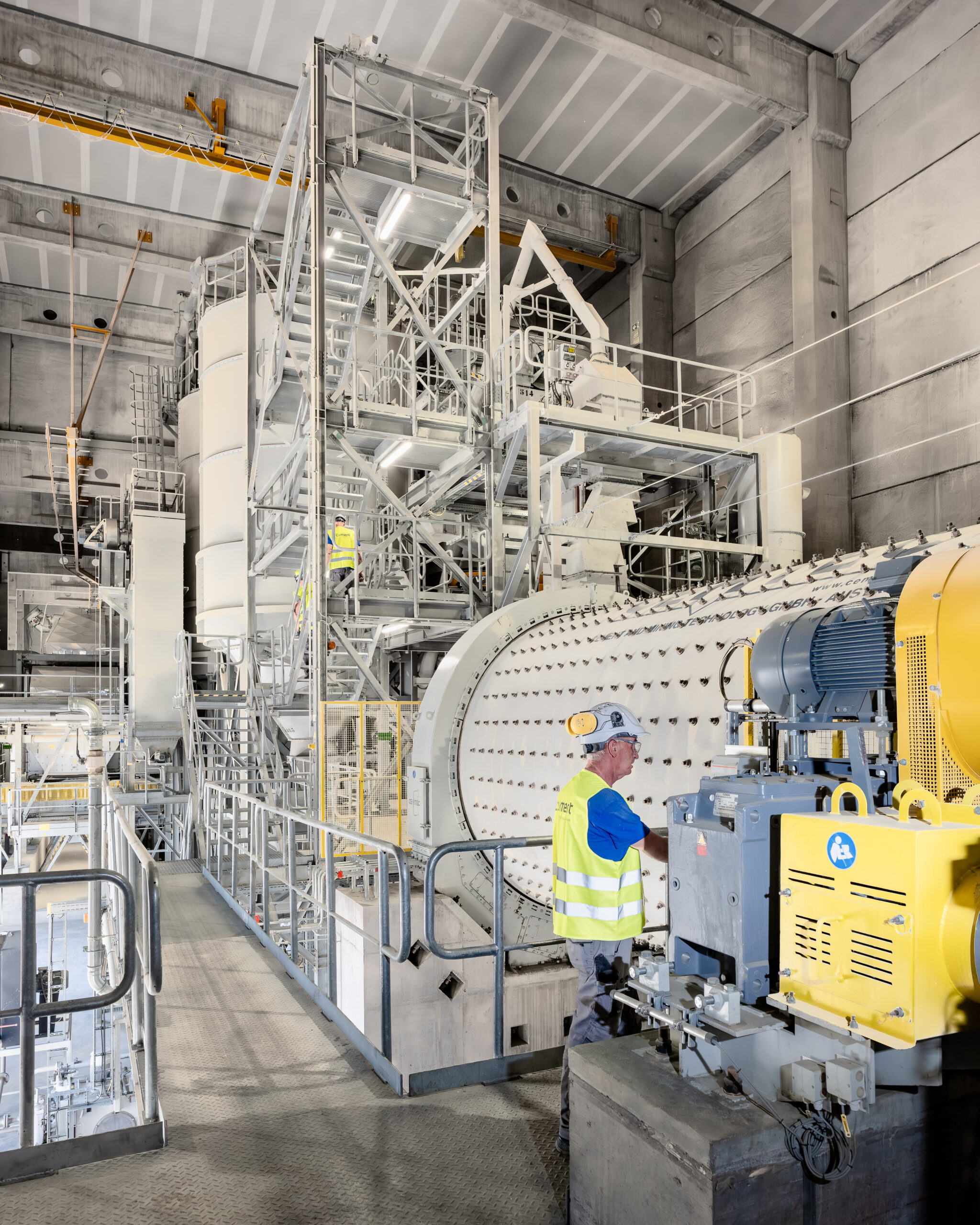
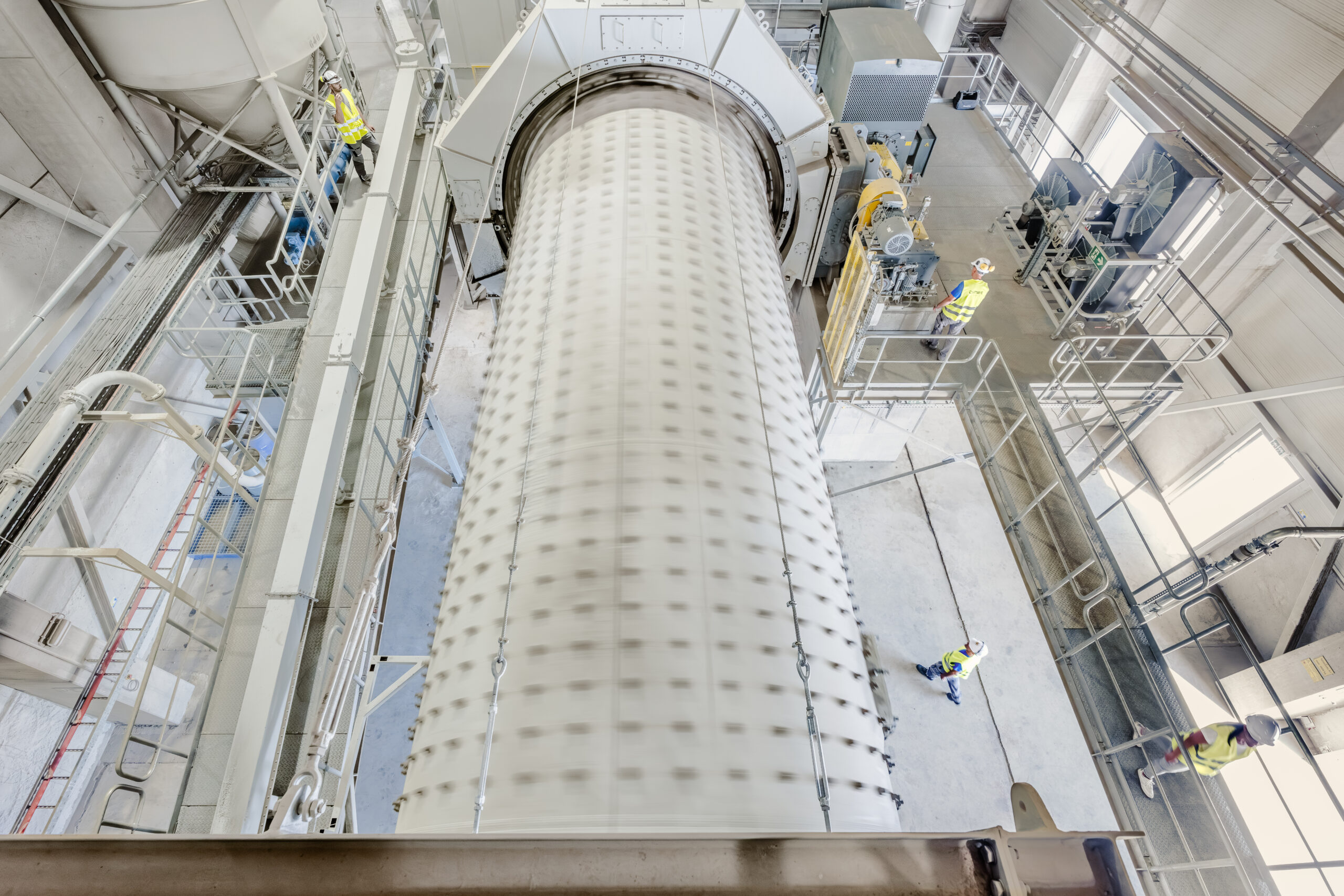
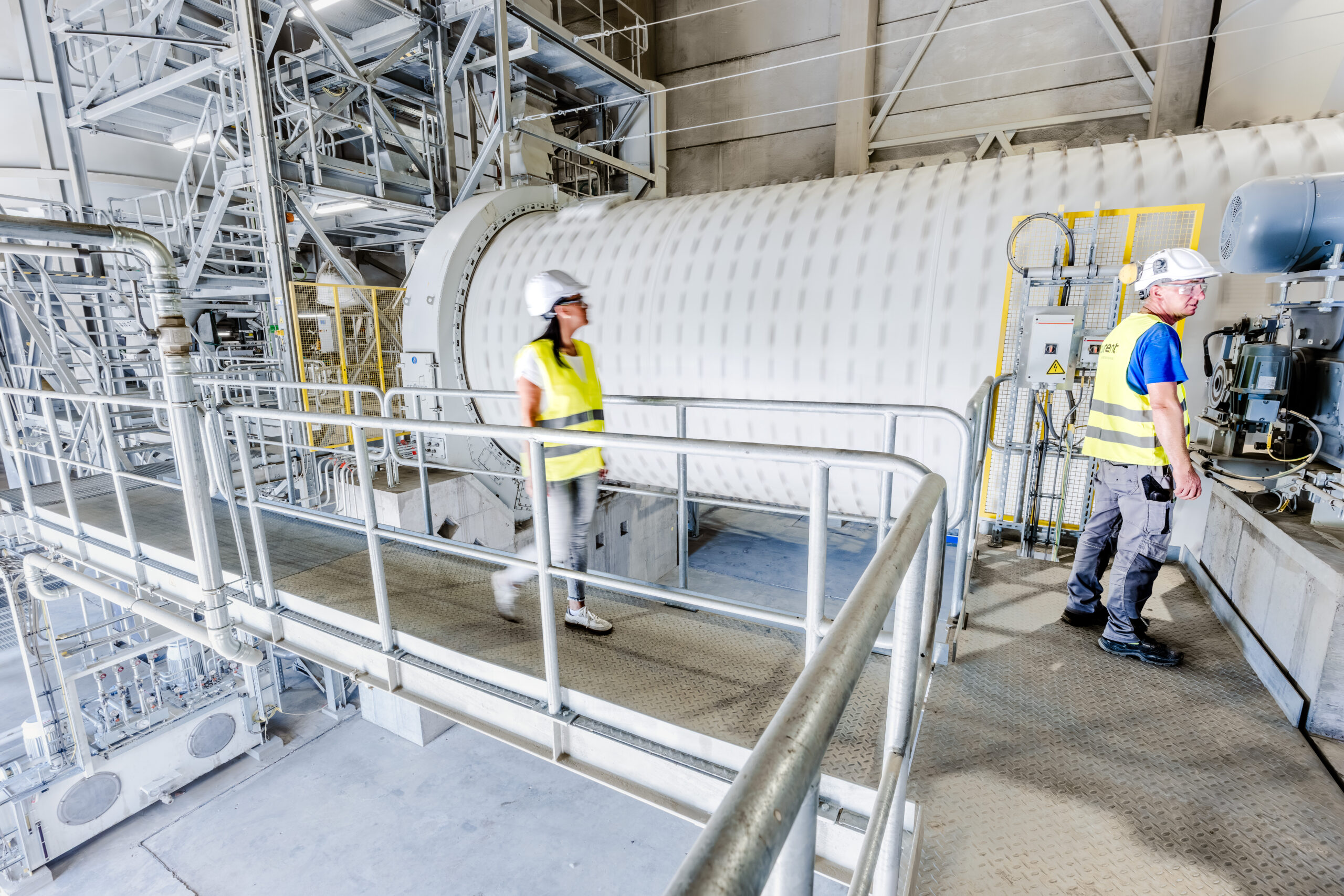
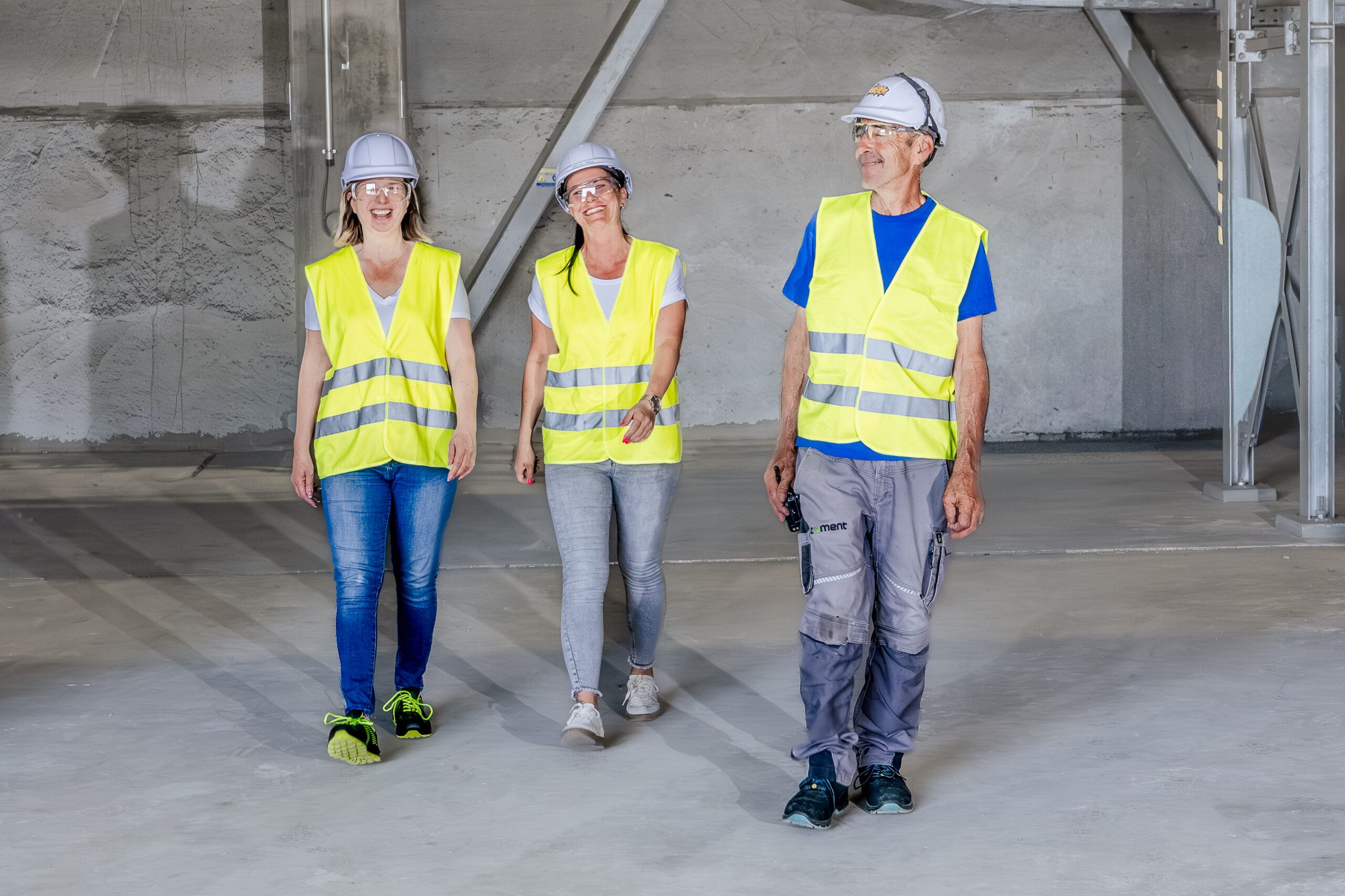
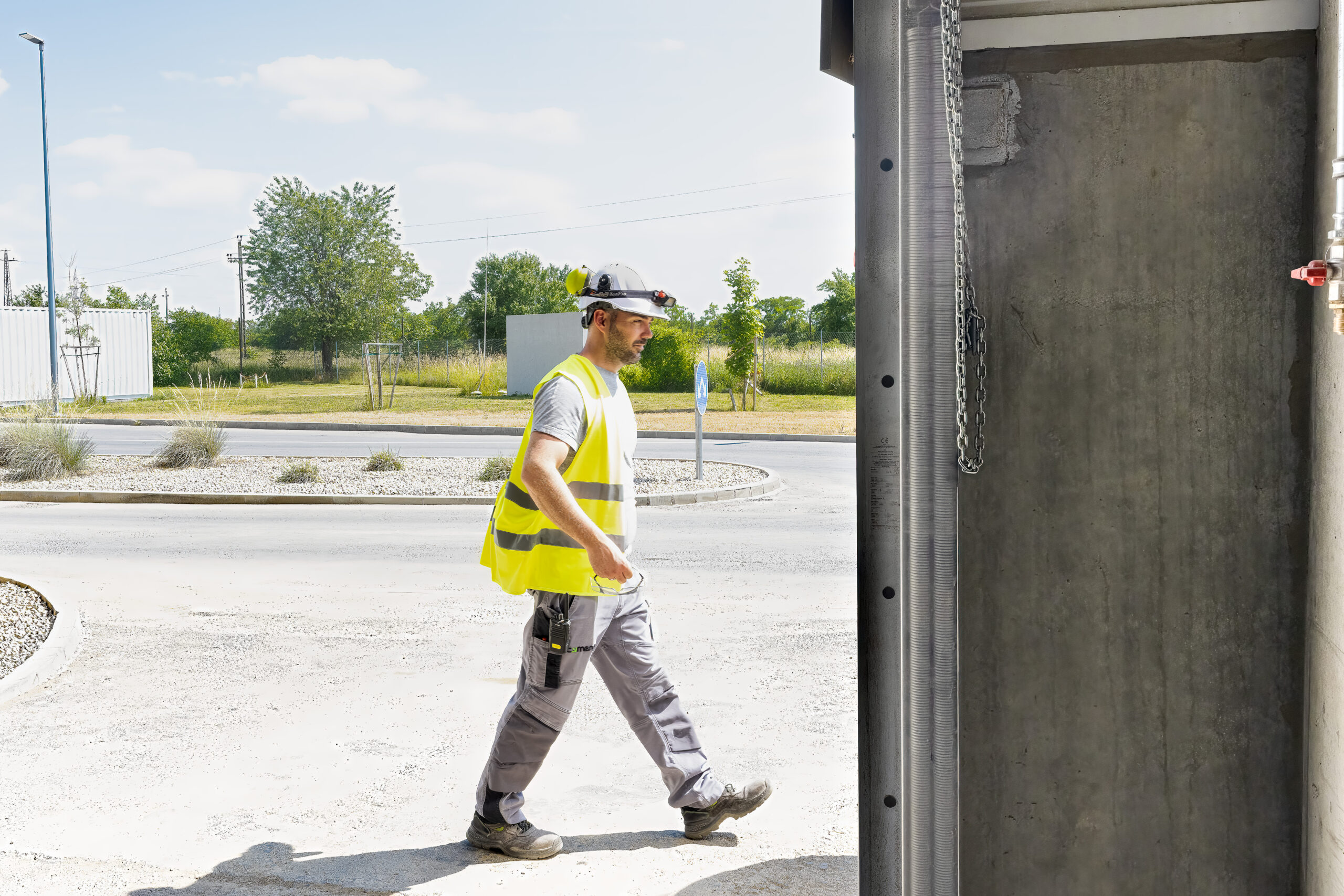
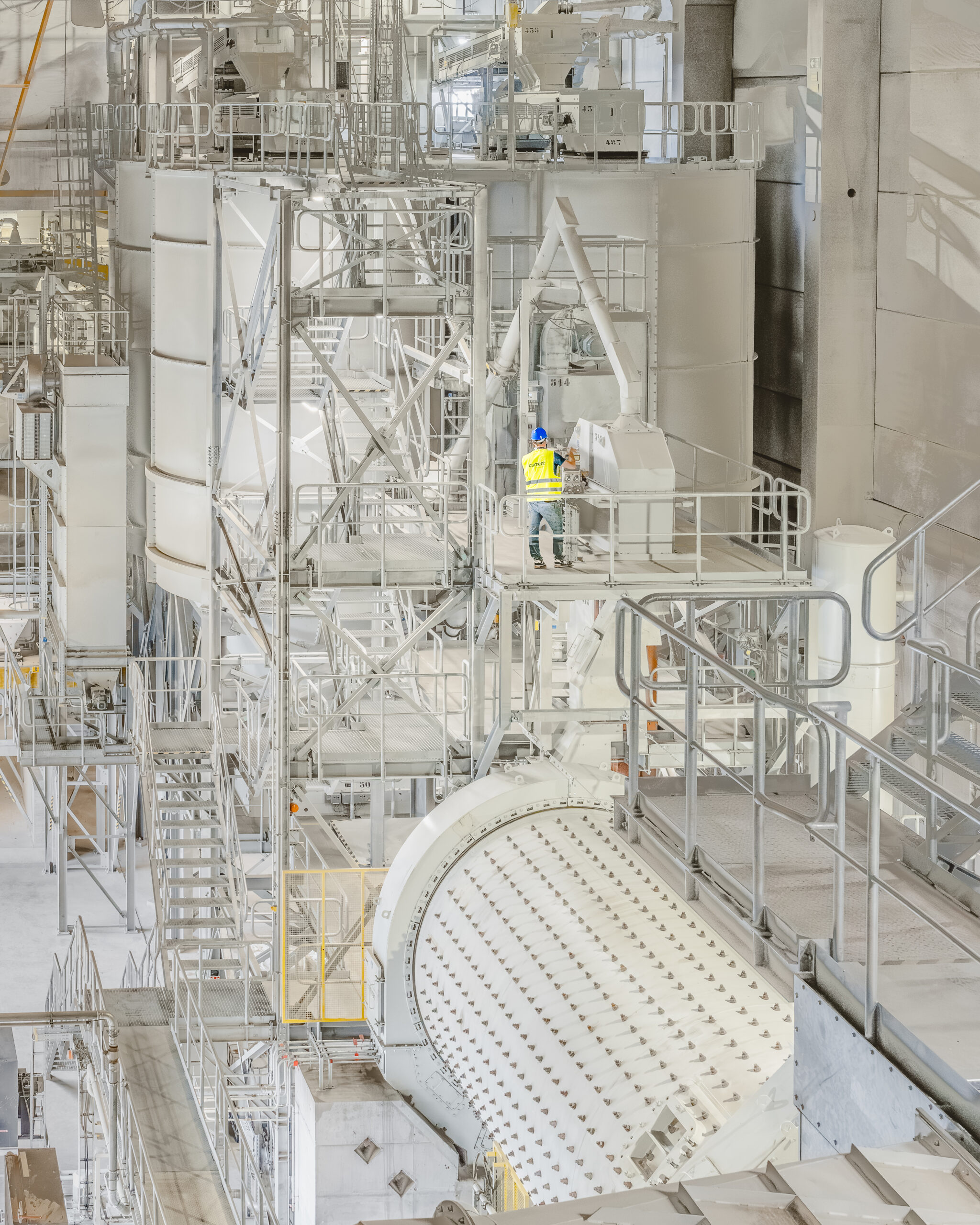
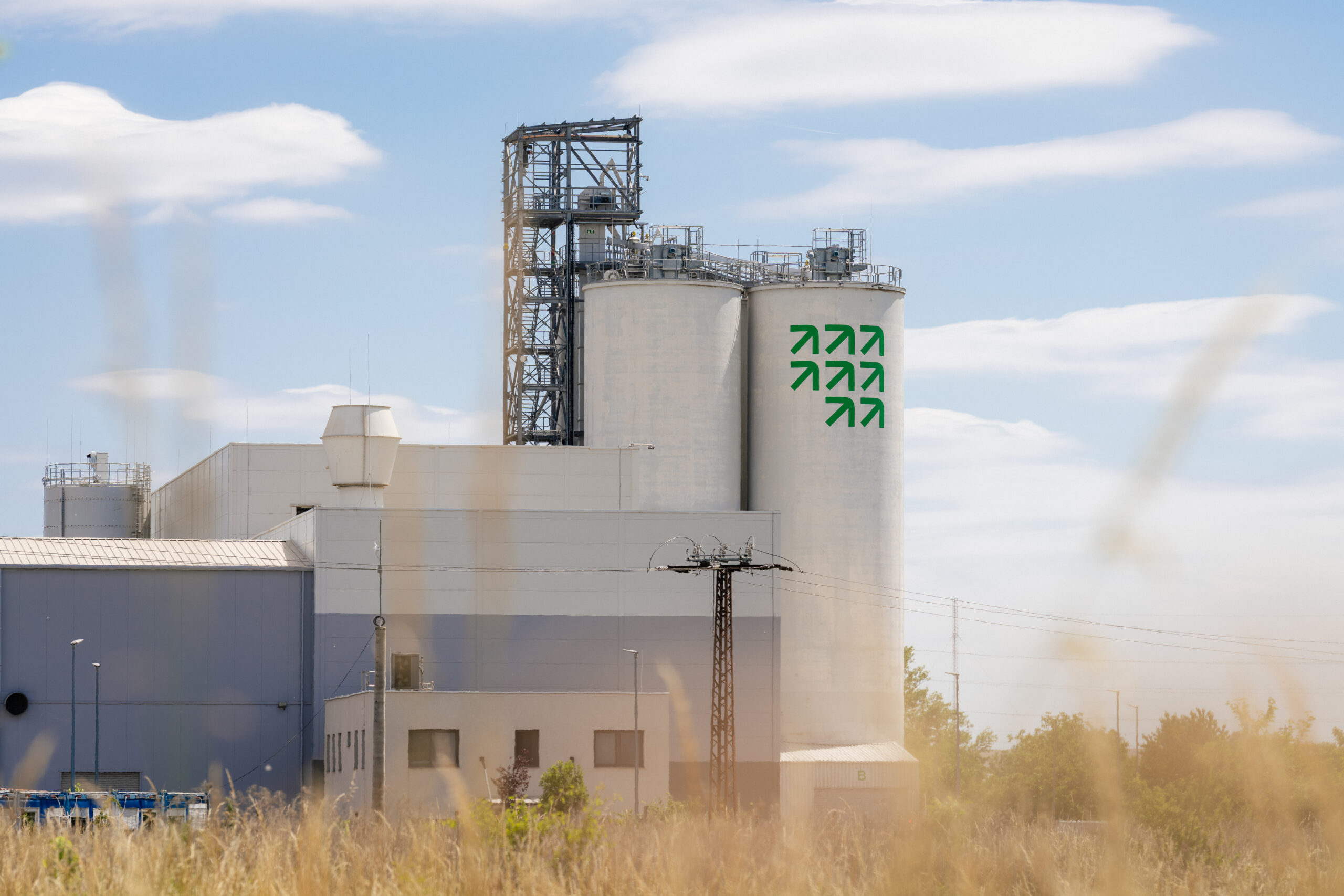
cyment Austria GmbH is nominated for the CarbonZero Industrial Decarbonization Project of the Year Award 2026 because it transforms one of the cement industry’s hardest‑to‑abate challenges—clinker reduction—into a practical, scalable and commercially viable solution. Unlike traditional low‑clinker approaches that require costly upgrades, cyment removes the implementation barrier entirely, enabling producers to decarbonize without capital expenditure or operational disruption. Its multinational approvals, 24 months of commercial‑scale verification data, and proven replicability across European markets position cyment as a true industry leader. By combining scientific rigor, regulatory credibility and real‑world deployment, cyment sets a new benchmark for how low‑carbon concrete infrastructure can be achieved today, not in the distant future.



Limak Cement
Limestone Calcined Clay Cement with Boron Activated Clinker
Why nominated?
Project Details:
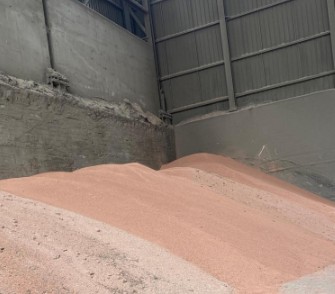
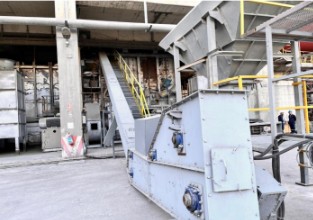
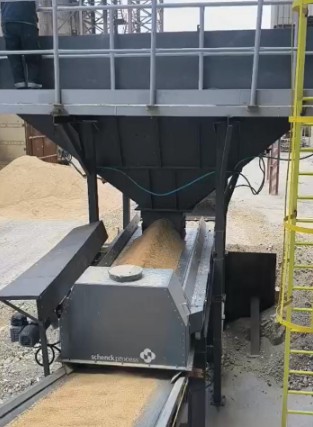
The LC3–BAC project integrates two synergistic technologies: LC3, which reduces clinker content through the use of calcined clay and limestone, and BAC, which enhances clinker reactivity through controlled boron‑based phase modification. LC3 enables producers to achieve clinker factors around 65% through a retrofit calcination system requiring an estimated €12 million investment, while maintaining mechanical performance and leveraging locally available clays. BAC, in contrast, requires no additional capital expenditure and improves clinker efficiency by stabilizing targeted polymorphs, enabling approximately 5% higher SCM addition, reducing specific heat consumption by ~6% and lowering cement‑related CO₂ emissions by ~10%. When combined, LC3–BAC achieves a carbon footprint of 464.7 kg CO₂ per tonne of cement—representing a 43.3% reduction compared with conventional CEM I. This dual approach demonstrates how material innovation and process optimization can jointly deliver organizational, efficiency, environmental and economic benefits, offering a practical pathway toward large‑scale, lower‑carbon cement production.

Prometheus Materials
Bauxite 2 – Data Center Hyperscaler
Why nominated?
Project Details:
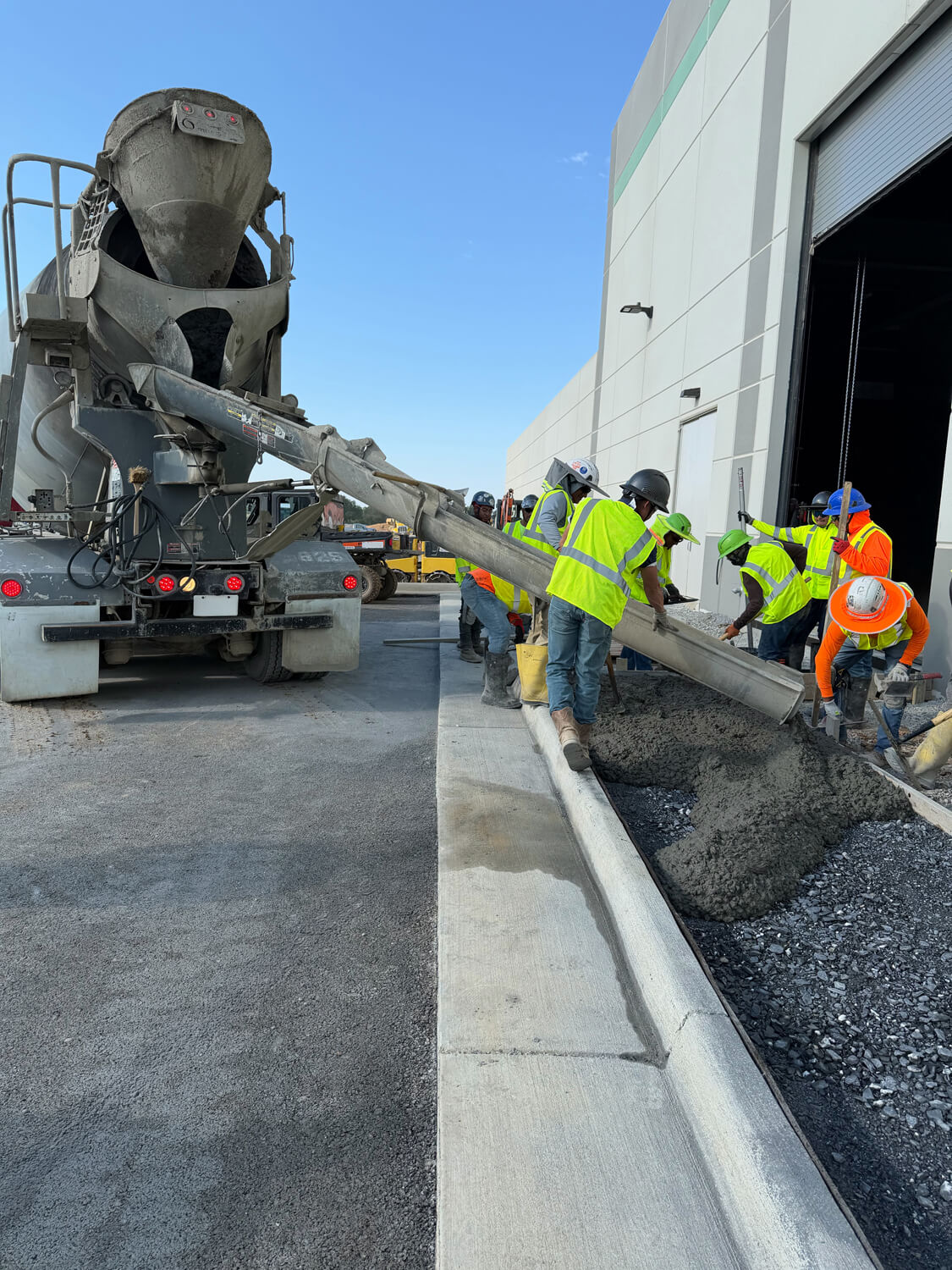
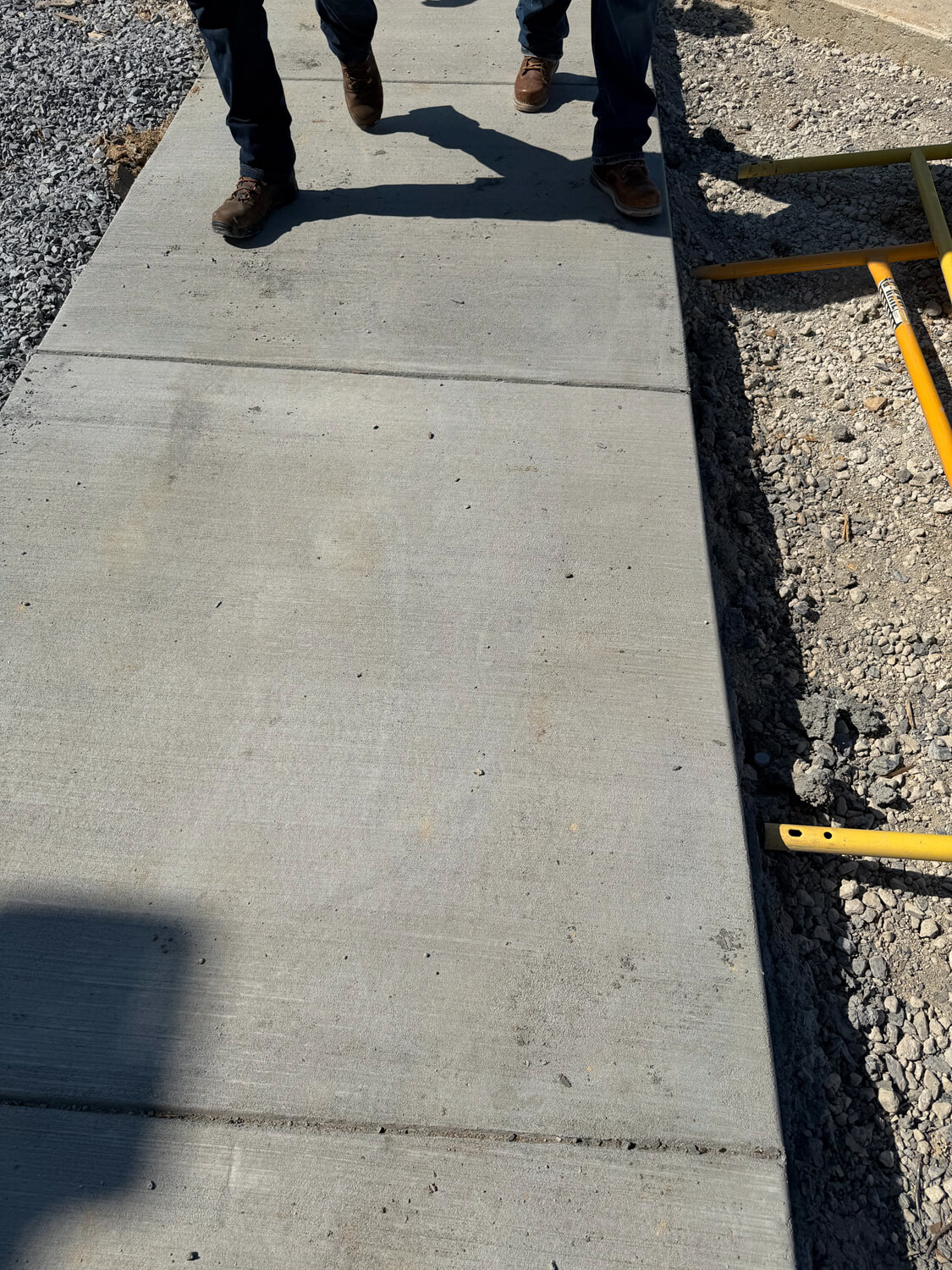
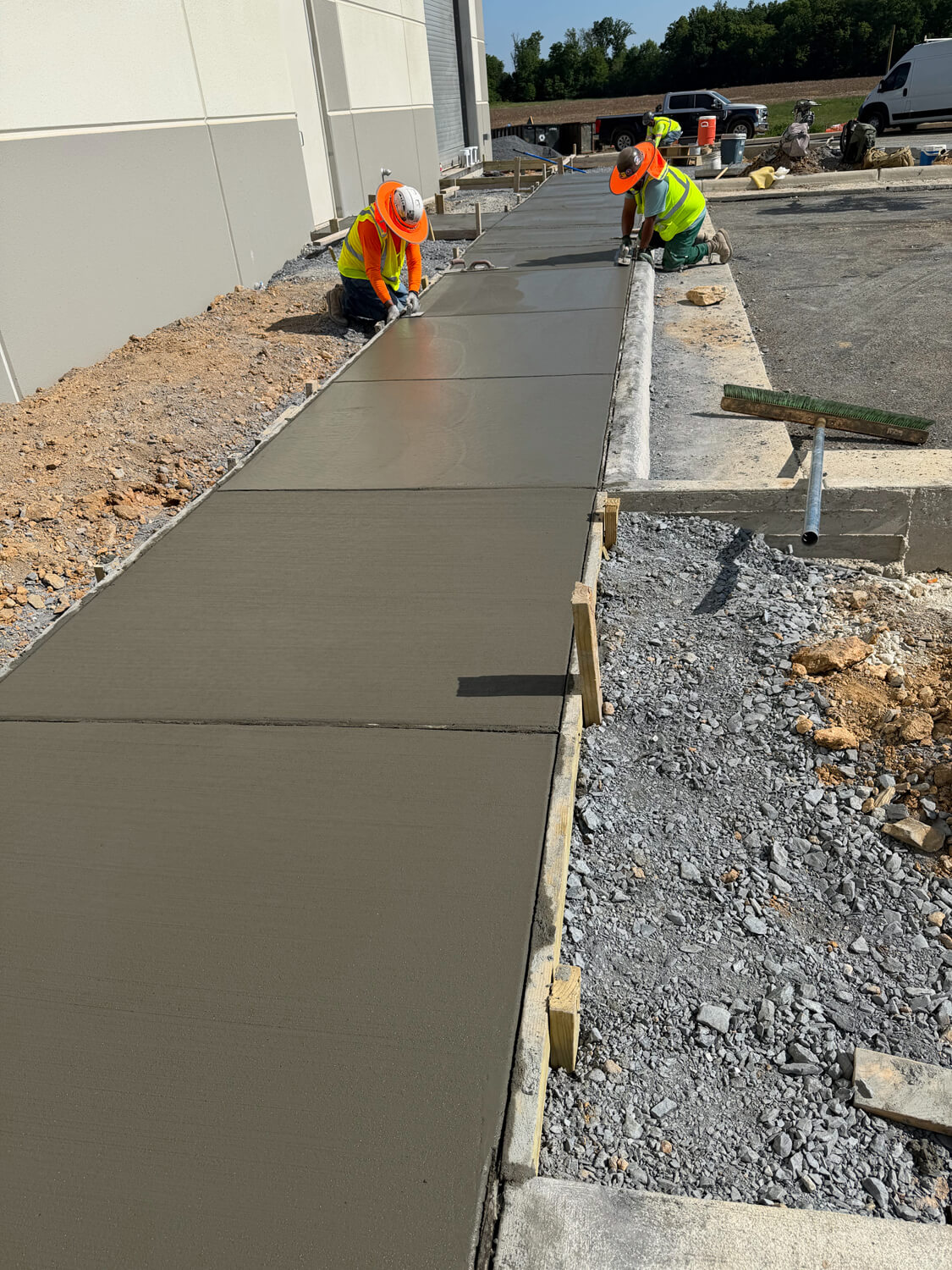
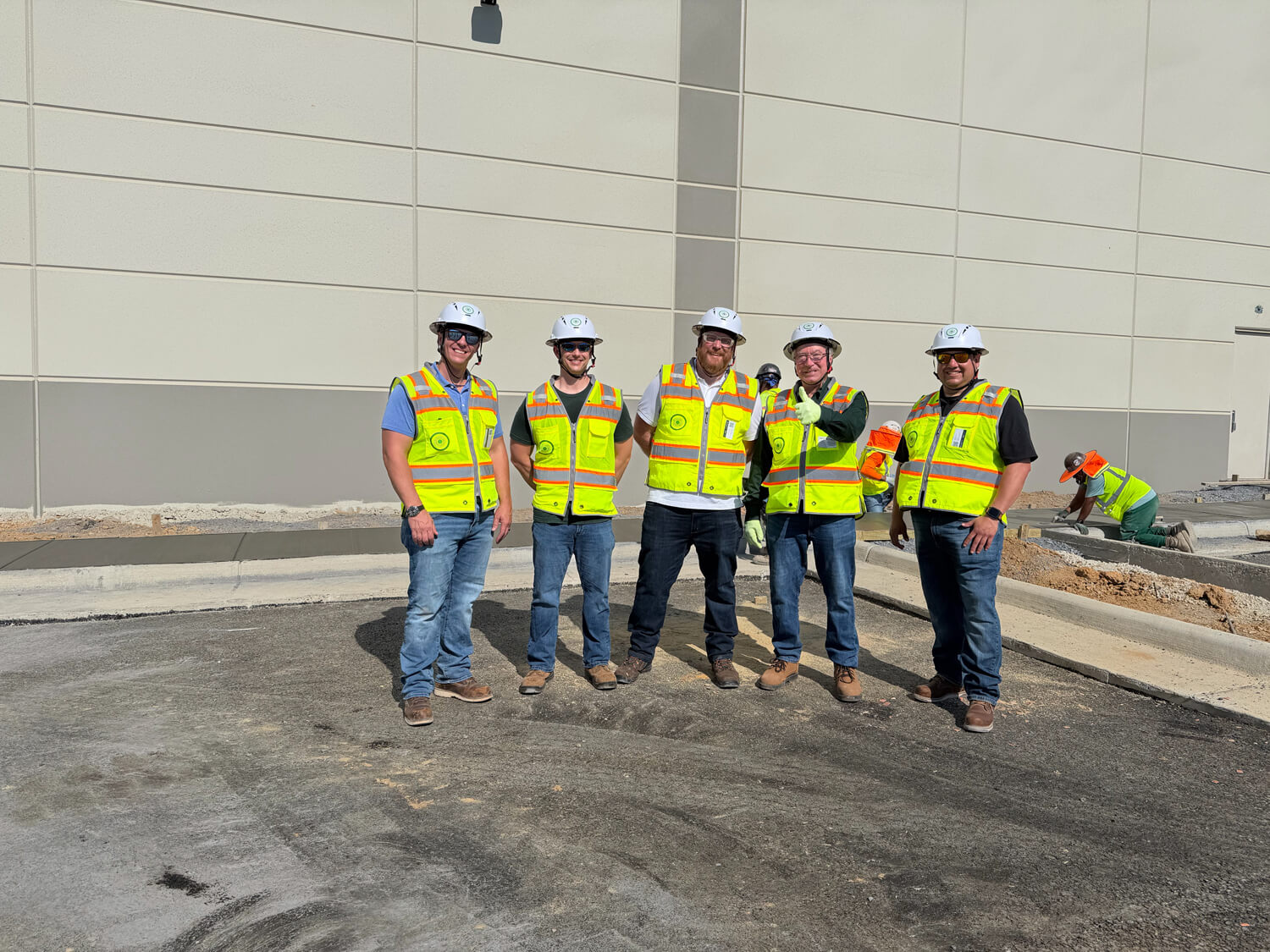
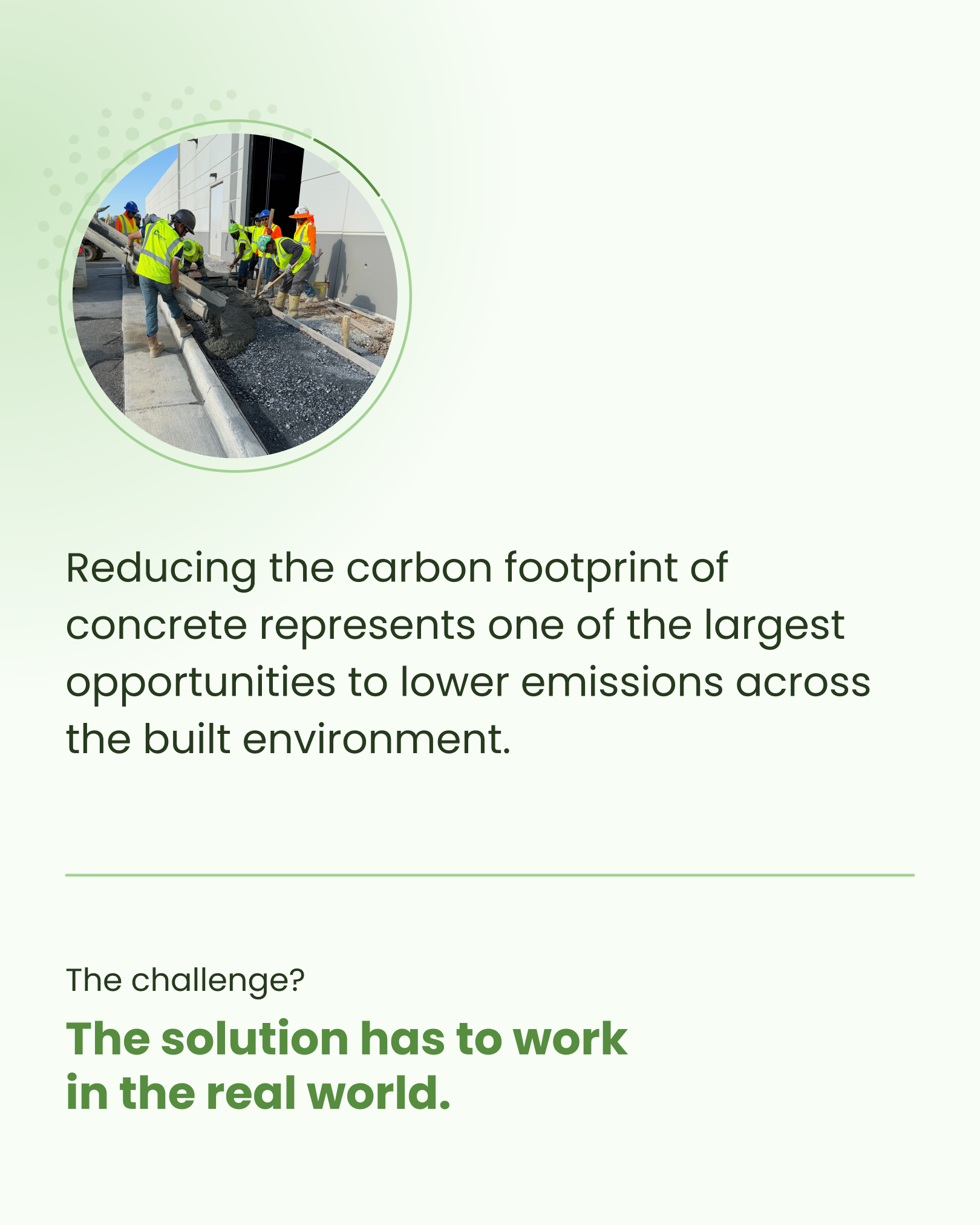
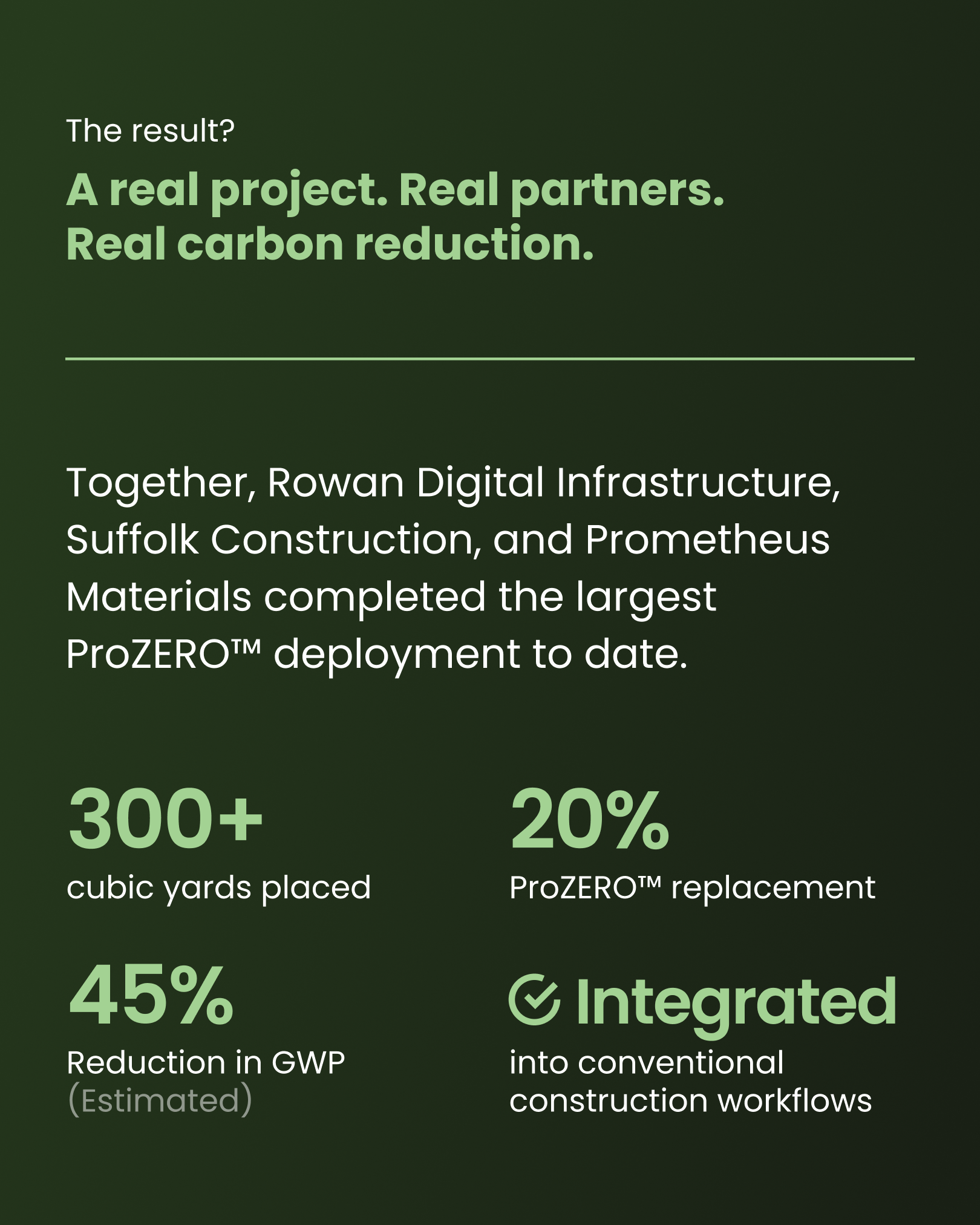
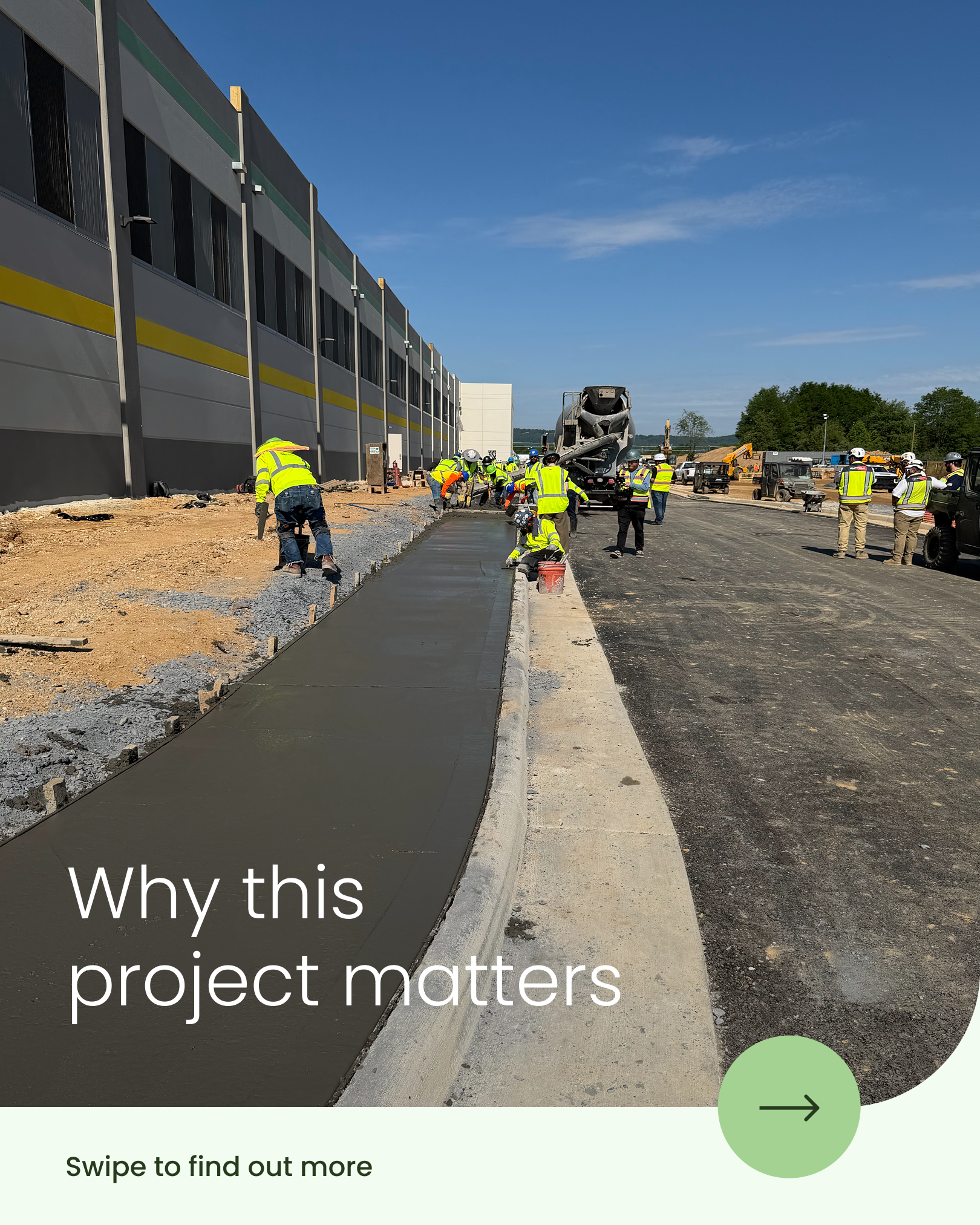
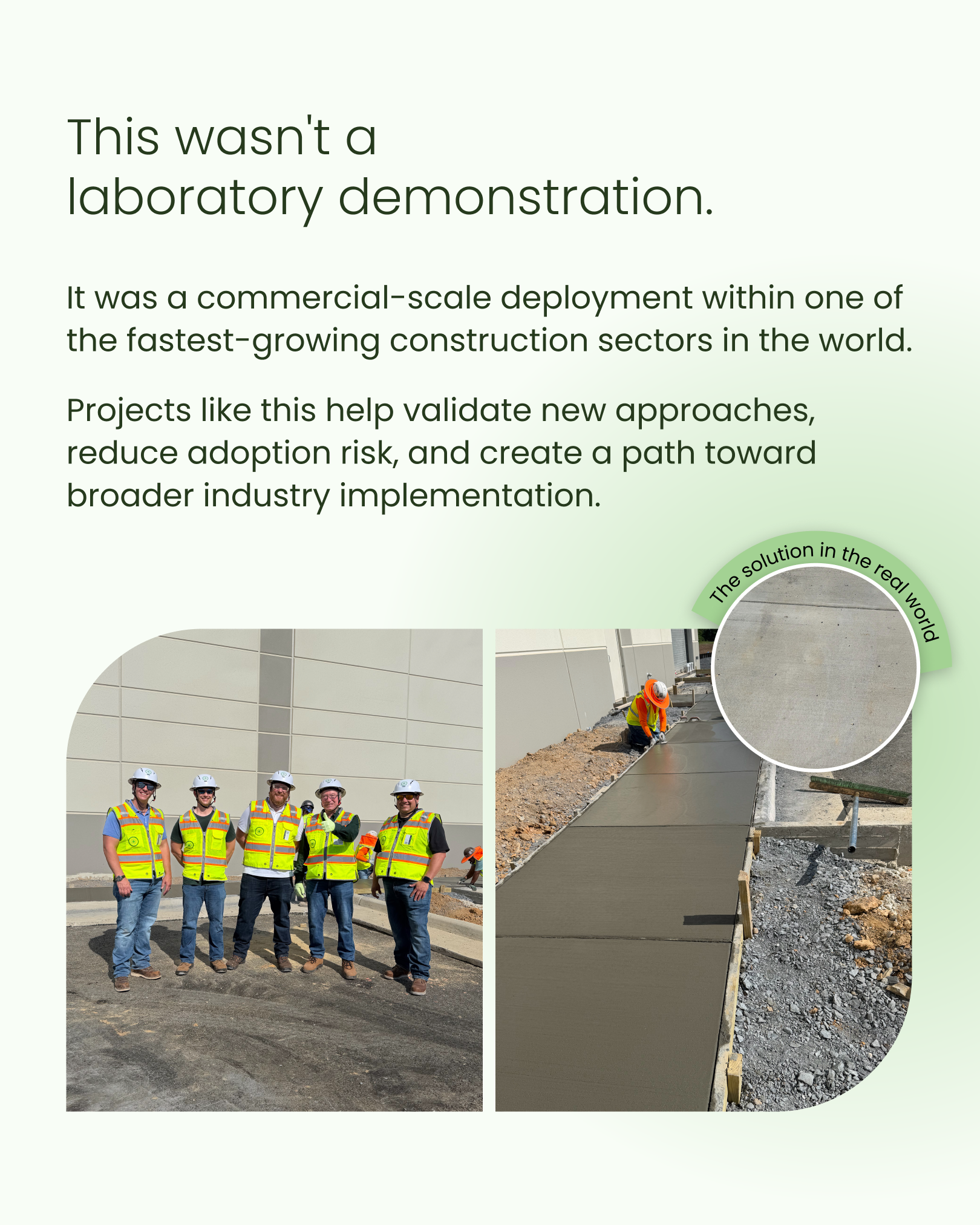
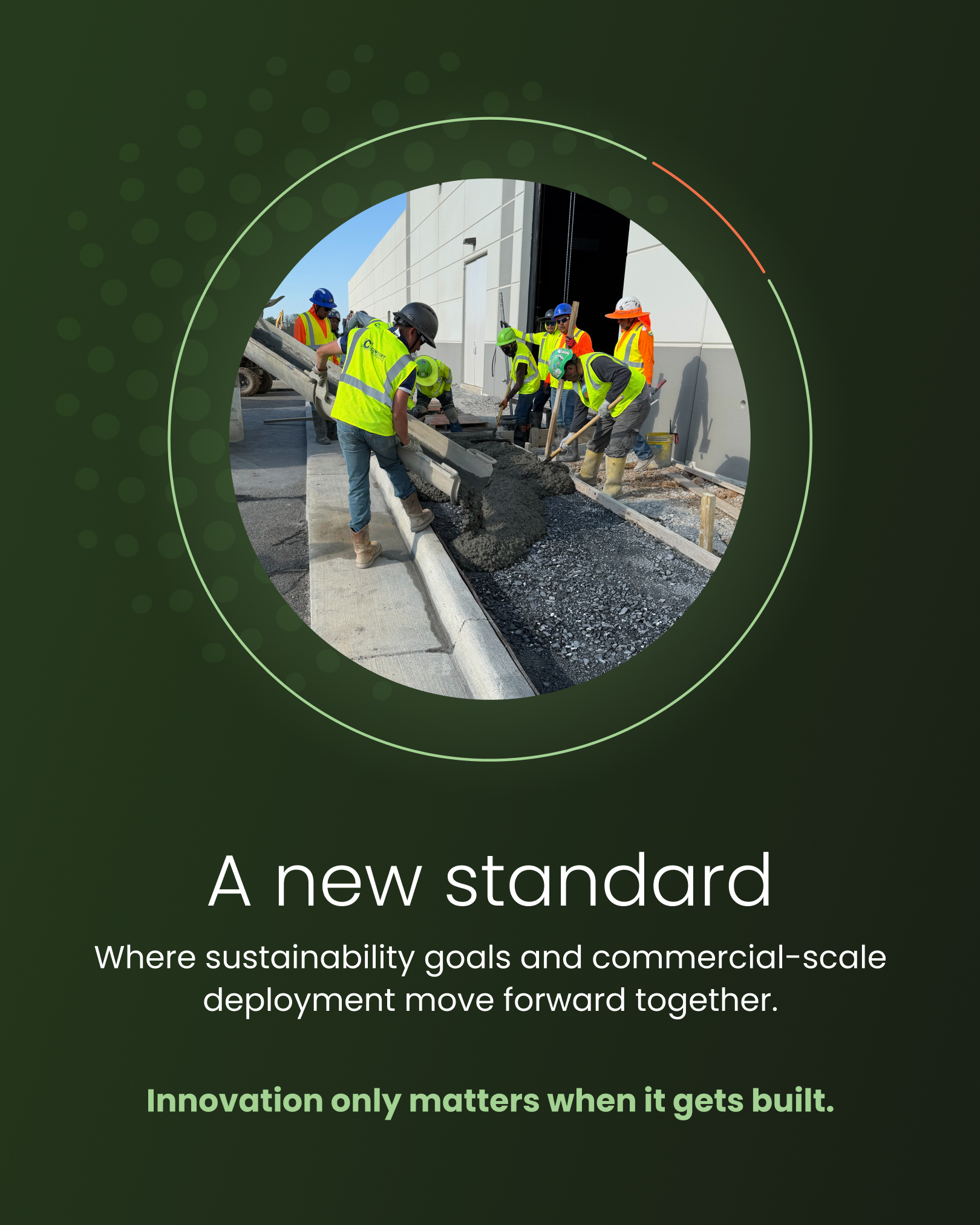
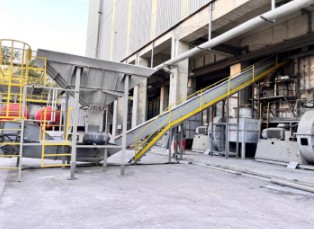
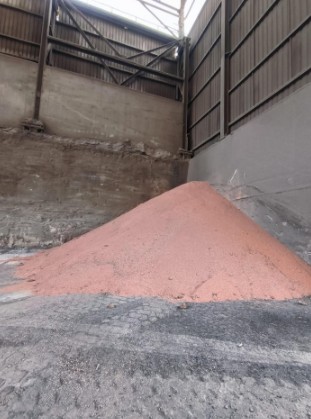
The Bauxite 2 Hyperscaler Data Center project in Frederick County, Maryland represents the largest above‑ground deployment of Prometheus Materials’ ProZERO™ cement replacement technology to date. In collaboration with Rowan Digital Infrastructure, Suffolk Construction, and regional ready‑mix partners, the project incorporated more than 300 cubic yards of concrete containing 20% ProZERO replacement. The mix—designed at 4000–4500 psi with a 5” slump and 5% air—achieved an estimated 45% reduction in global warming potential compared to a conventional 100% OPC mix. This milestone demonstrates how lower‑carbon concrete can be adopted at commercial scale while maintaining required structural performance, construction efficiency, and workflow compatibility. As hyperscaler developers increasingly seek practical pathways to reduce embodied carbon, the Bauxite 2 deployment stands as a model for integrating innovative materials into major infrastructure projects.