A team of scientists from MIT’s Masic Lab and CarbonCure Technologies has unveiled the most detailed picture to date of how injected CO₂ fundamentally reshapes the early chemistry of cement — a discovery that could accelerate the global shift toward lower‑carbon concrete.
The findings, published in the Journal of the American Ceramic Society, mark the first time researchers have captured real‑time, molecular‑level evidence of how carbon mineralisation unfolds inside fresh cement paste. Using advanced in situ Raman microspectroscopy, the team monitored the hydration process hour by hour, revealing a precise chemical choreography that leads to a denser, more uniform binder.
A clearer picture of CO₂ mineralisation
Contrary to older theories suggesting that CO₂ simply fills pores with calcium carbonate, the study shows that the gas initiates a three‑stage transformation:
- Mineralisation (0–4 hours): CO₂ rapidly forms nanoscale calcium carbonate particles, temporarily redirecting calcium ions and allowing a smooth silica‑gel network to form.
- Transition (4–8 hours): Once the CO₂ is consumed, hydration resumes, and calcium hydroxide reacts with the silica gel to create evenly distributed C–S–H — the compound responsible for concrete strength.
- Stabilisation (after ~8 hours): Hydration proceeds normally, but with a more interconnected microstructure that sets faster and delivers roughly 13% higher early strength.
Crucially, the study provides the first direct visual proof that the newly formed carbonates remain chemically stable and permanently locked into the concrete matrix.
Why this matters for the construction sector
For producers and engineers, the research offers a long‑awaited scientific explanation for why CO₂‑treated concrete often performs better at early ages. It also confirms that carbon mineralisation can help manufacturers reduce cement content by 4–6% on average, without compromising strength — a major lever for cutting embodied carbon.
CarbonCure CEO Yuliya Kravtsov called the findings “the strongest experimental validation yet” of how carbon utilisation technologies enhance concrete performance, noting that the process has already been applied in over 11 million concrete loads worldwide.
A breakthrough in cement chemistry
One of the study’s most significant contributions is its clarification of a long‑debated question: Do calcium carbonate particles act as nucleation sites for C–S–H? The answer, according to the Raman imaging, is no. Instead, C–S–H forms where silica gel meets portlandite, while the carbonate particles simply become embedded in the developing gel.
MIT professor Admir Masic described the process as “a beautifully orchestrated sequence,” explaining that CO₂ effectively builds a silica‑gel scaffold that guides the formation of a more interconnected binder.
Commercial implications
CarbonCure’s technology is already deployed at hundreds of concrete plants across more than two dozen countries, used in over 20,000 mix designs and across a wide range of cement and SCM combinations. The new research gives producers a clearer scientific framework for optimising CO₂ dosage and mixing parameters to maximise both performance and carbon savings.
CarbonCure CTO Dean Forgeron emphasised that the study shows CO₂ does more than store carbon: it actively shapes the binder from the earliest moments of hydration, offering producers a new pathway to improve efficiency and profitability while meeting demanding project specifications.
Source: MIT & CarbonCure research, reported by World Cement (12 June 2026)
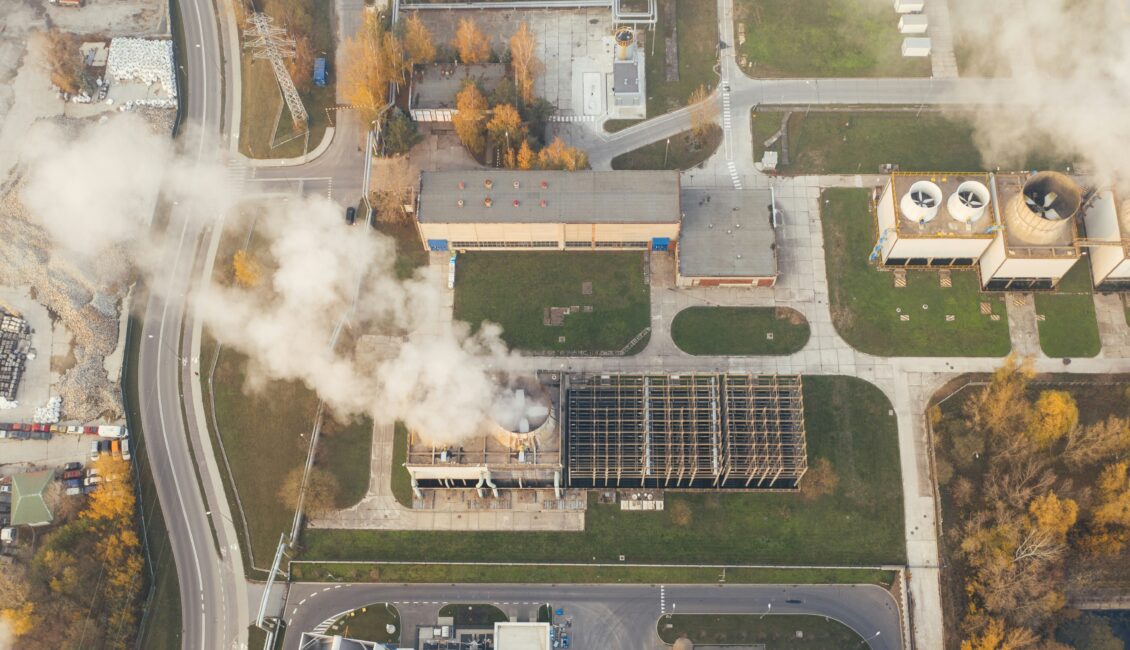
Photo by Marcin Jozwiak on Unsplash
—
Want to know more about decarbonization, sustainable industry trends, and the breakthroughs driving real change? Explore the complete lineup of Industry Link’s 2026 events below:
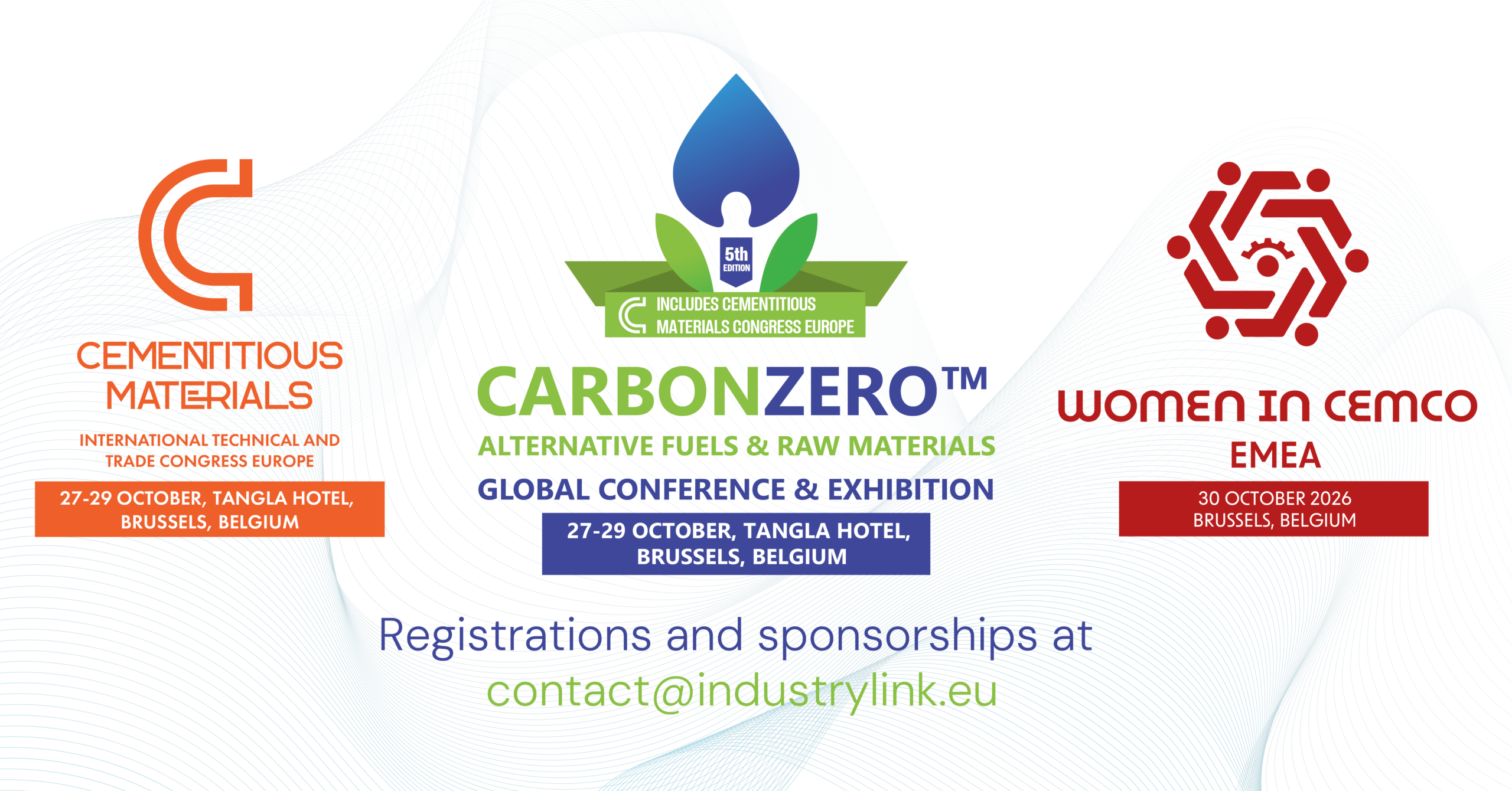
Cementitious Materials International Technical & Trade Congress – Europe
28–29 October, Brussels, Belgium
A leading EMEA gathering on cementitious materials, market trends, regulatory updates, and regional opportunities.
CarbonZero Alternative Fuels & Raw Materials Global Conference & Exhibition 2026
Including Cementitious Europe – Congress
28–29 October, Brussels, Belgium
Global platform for Net Zero strategies, alternative fuels, raw materials, carbon capture, and emerging technologies.
Women in Cement and Construction International Congress 2026 – EMEA
30 October, Brussels, Belgium
A dedicated forum advancing diversity, equity, and inclusion across the cement and construction sectors.
Sustainability & ESG International Summit 2026
24 – 25 November, São Paulo, Brazil
Premier regional platform for Net Zero construction, circular economy, climate resilience, and ESG leadership.
Industry 5.0 Global Conference & Exhibition 2026
24 – 25 November, São Paulo, Brazil
Hosted at the same venue and dates as the Sustainability Summit — two events for one price, one ticket, full access.

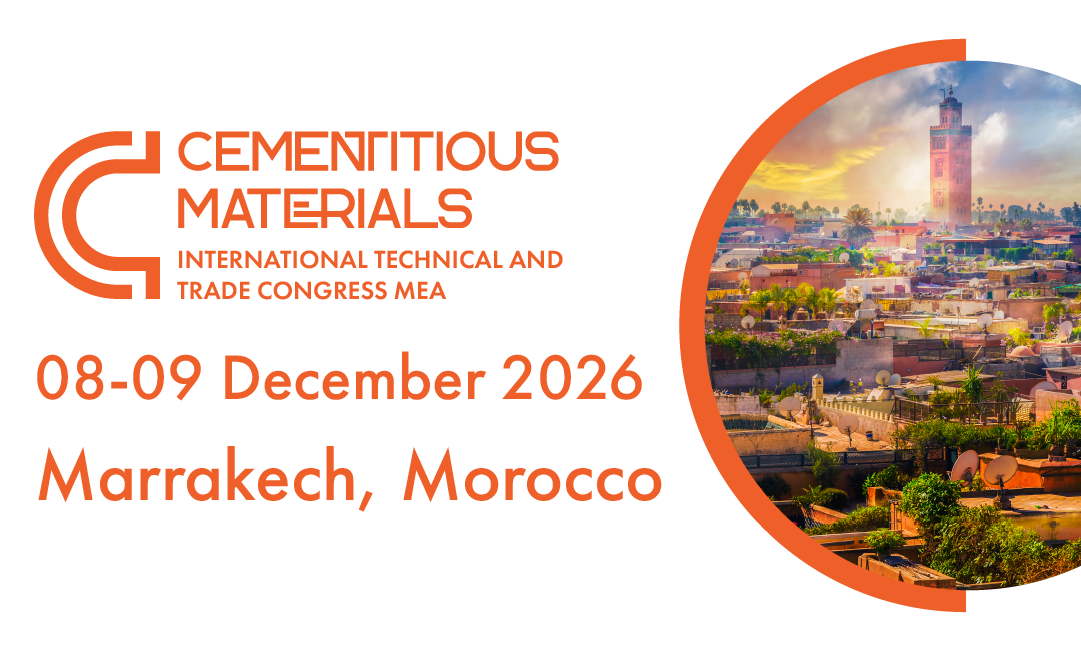
Cementitious Materials International Technical & Trade Congress – MEA
8–9 December, Morocco
The premier MEA event for cementitious materials, innovation, and regional trade opportunities.
Sign up to our newsletter on industrylink.eu to receive the latest news and future events info as well as exclusive pricing. Follow our LinkedIn page for news and insights for the next events.