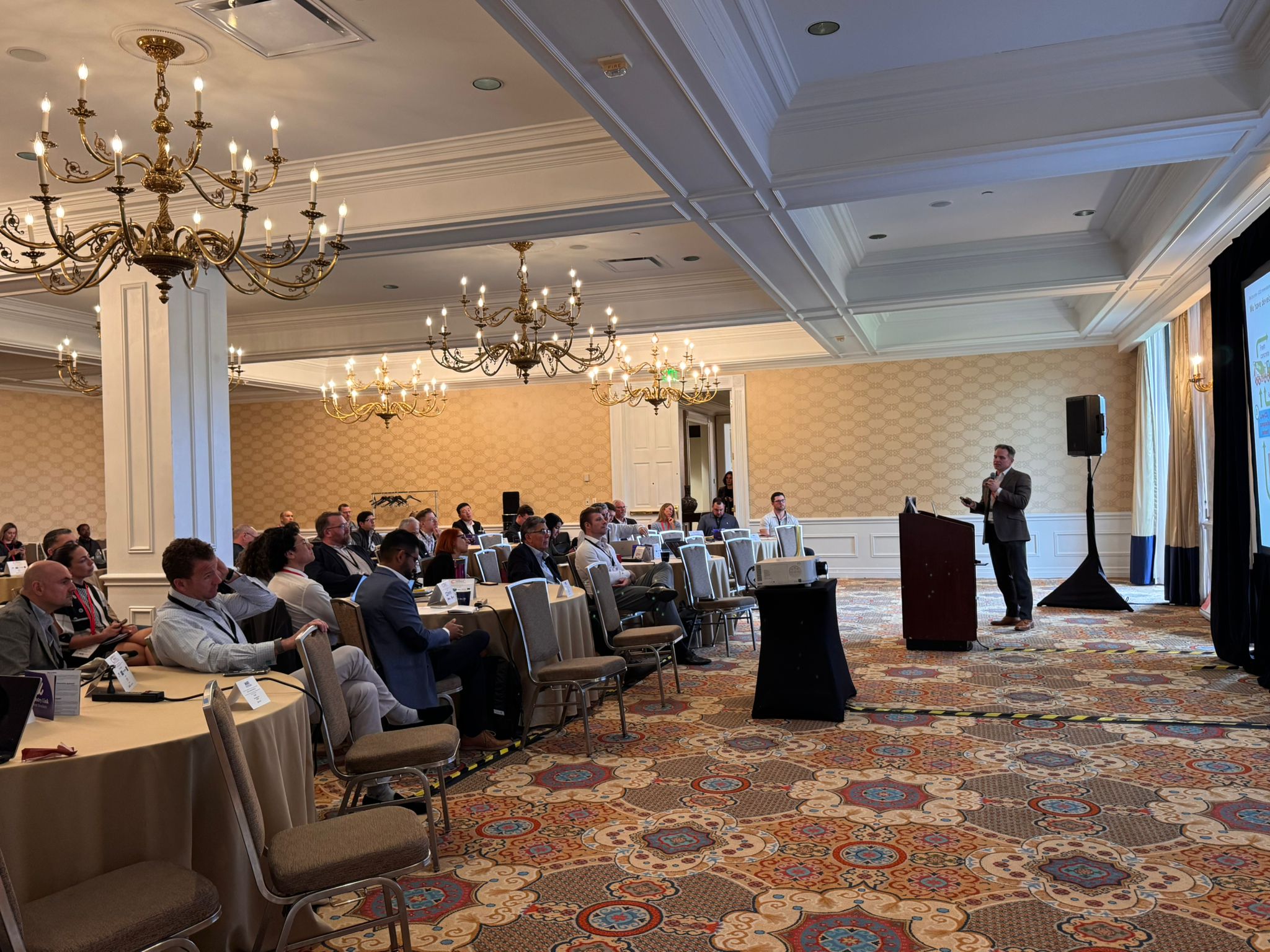
Hosted at the Hilton Anatole Dallas, the Cementitious Materials International Technical & Trade Congress 2026 brought together leading voices from across the cement, construction, research, and technology sectors for two days of in-depth dialogue on the future of low-carbon cementitious materials. Held on March 11–12 in the Verandah Parkview Meeting Room, the Congress once again served as a global meeting point where industry leaders, innovators, academics, and policymakers exchanged ideas, strategies, and technological solutions aimed at transforming one of the world’s most essential industries.
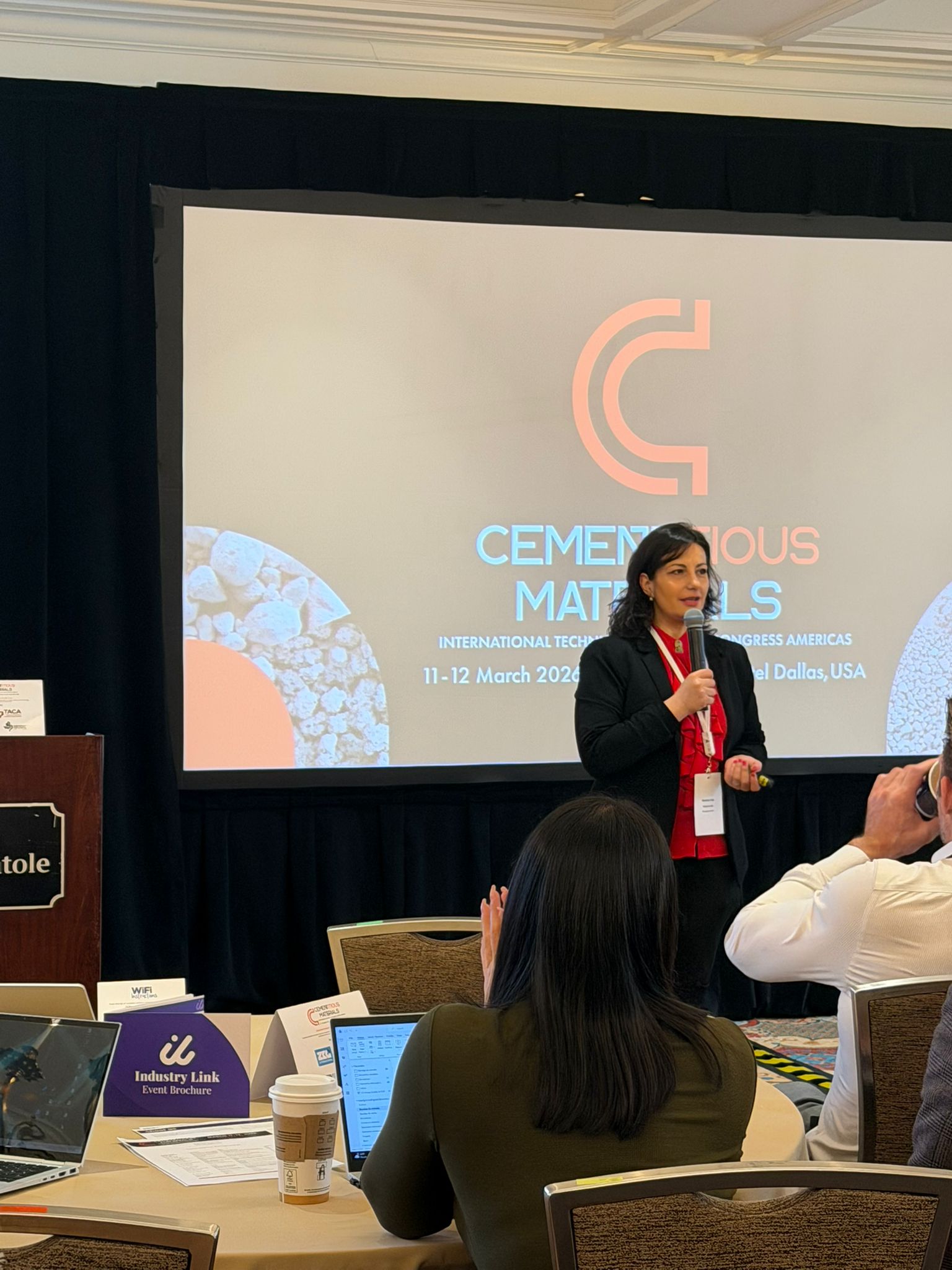
The event opened with welcoming remarks from Beatrice Ene, Managing Director and Head of Events at Industry Link, who highlighted the growing importance of collaboration across the cement and construction value chain. As demand for resilient infrastructure grows and climate targets become increasingly ambitious, the industry faces a defining decade. The Congress, she noted, is designed precisely for this moment: a space where science, business, policy, and innovation meet to accelerate the transition toward more sustainable building materials.
Industry Leadership and the Next Generation of Cementitious Materials
The first session set a strategic tone, exploring how companies and researchers are pushing the boundaries of cement innovation in North America. Grant Quasha, Chairman and CEO of Eco Material Technologies, opened the technical program with a keynote on the growing importance of supplementary cementitious materials and circular resource streams. His presentation emphasized how industrial by-products and new material streams can significantly reduce the carbon intensity of concrete while strengthening supply resilience in a rapidly evolving market.
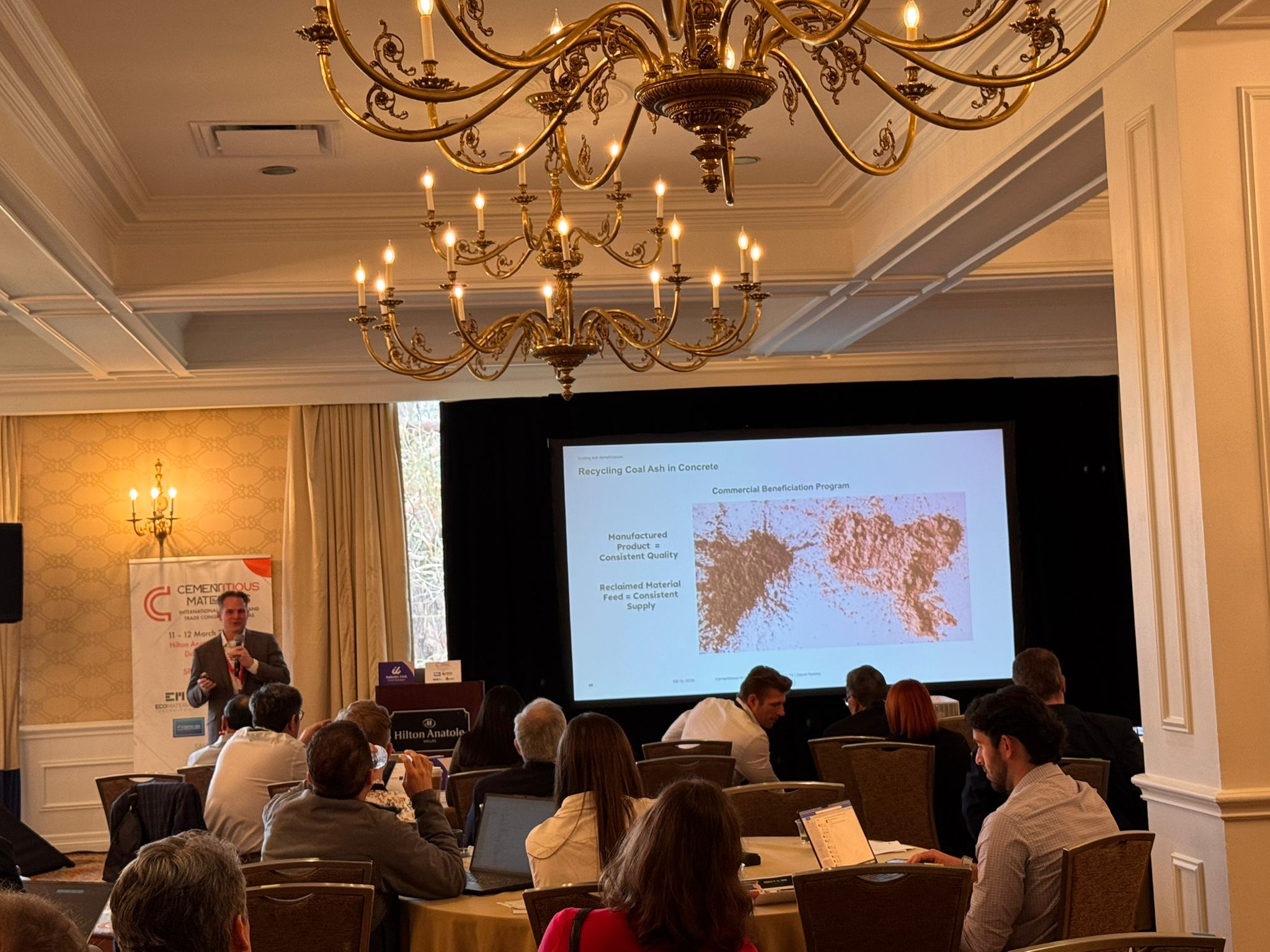
Building on this perspective, David Perkins, Senior Vice President for Sustainability and Public Affairs at Heidelberg Materials, explored the challenge of scaling next-generation SCMs and blended cements across the North American market. As traditional sources such as fly ash gradually decline, the industry must accelerate research, commercialization, and regulatory acceptance of alternative materials capable of supporting large-scale decarbonization.
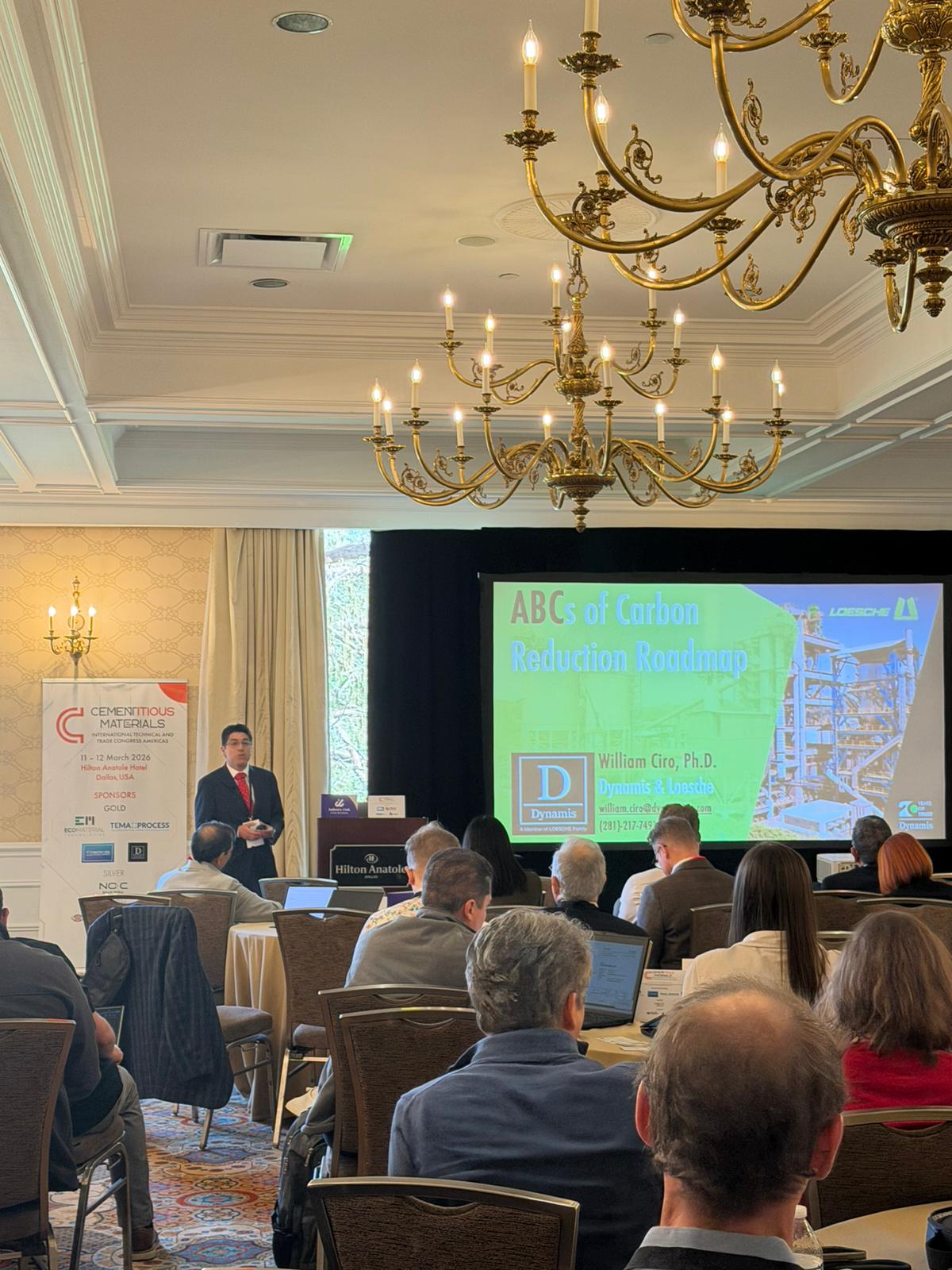
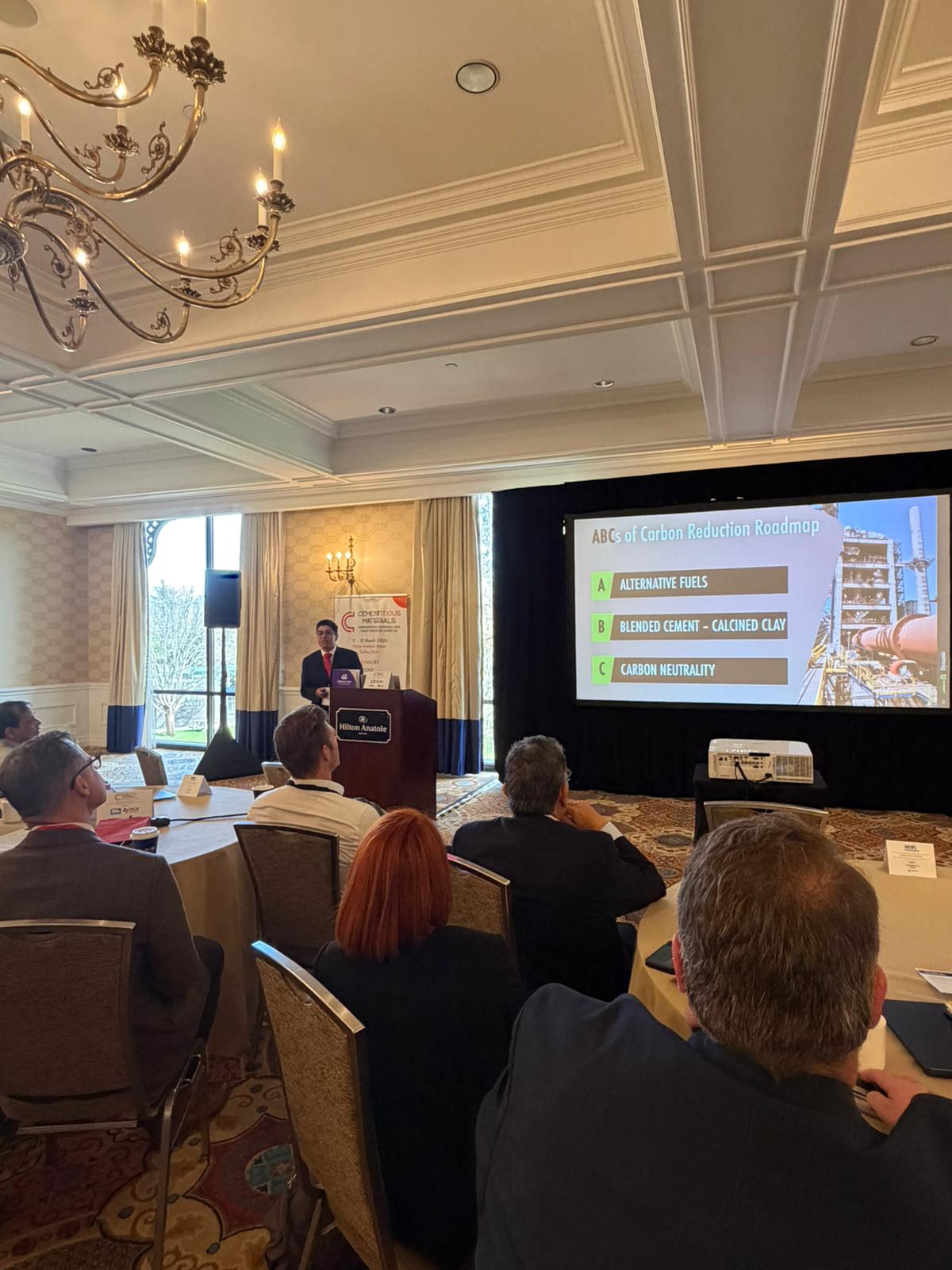
Technological innovation also took center stage as William Ciro from Dynamis outlined the essential components of a practical carbon-reduction roadmap for cement production. His presentation addressed the role of optimized combustion technologies, improved energy efficiency, and advanced process controls in lowering emissions across cement plants.
Further insights into innovation within cement chemistry were presented by Luis Baquerizo Ibarra, Director of the Central Research Laboratory at CalPortland. His presentation explored how blended cements and emerging CO₂ mineralization techniques are expanding the possibilities for lower-carbon concrete while maintaining the performance required for modern infrastructure.
From Strategy to Real-World Implementation
While technological innovation is essential, the practical implementation of low-carbon materials remains a complex challenge across the construction sector. This reality was addressed during the second session, which focused on field experience, policy frameworks, and infrastructure applications.
Offering a contractor’s perspective, Rich Szecsy, CEO of Big Town Concrete, discussed the challenges that ready-mix producers and builders face when implementing sustainable concrete solutions. Supply chain constraints, evolving performance specifications, and market acceptance remain key factors shaping the pace of transition.
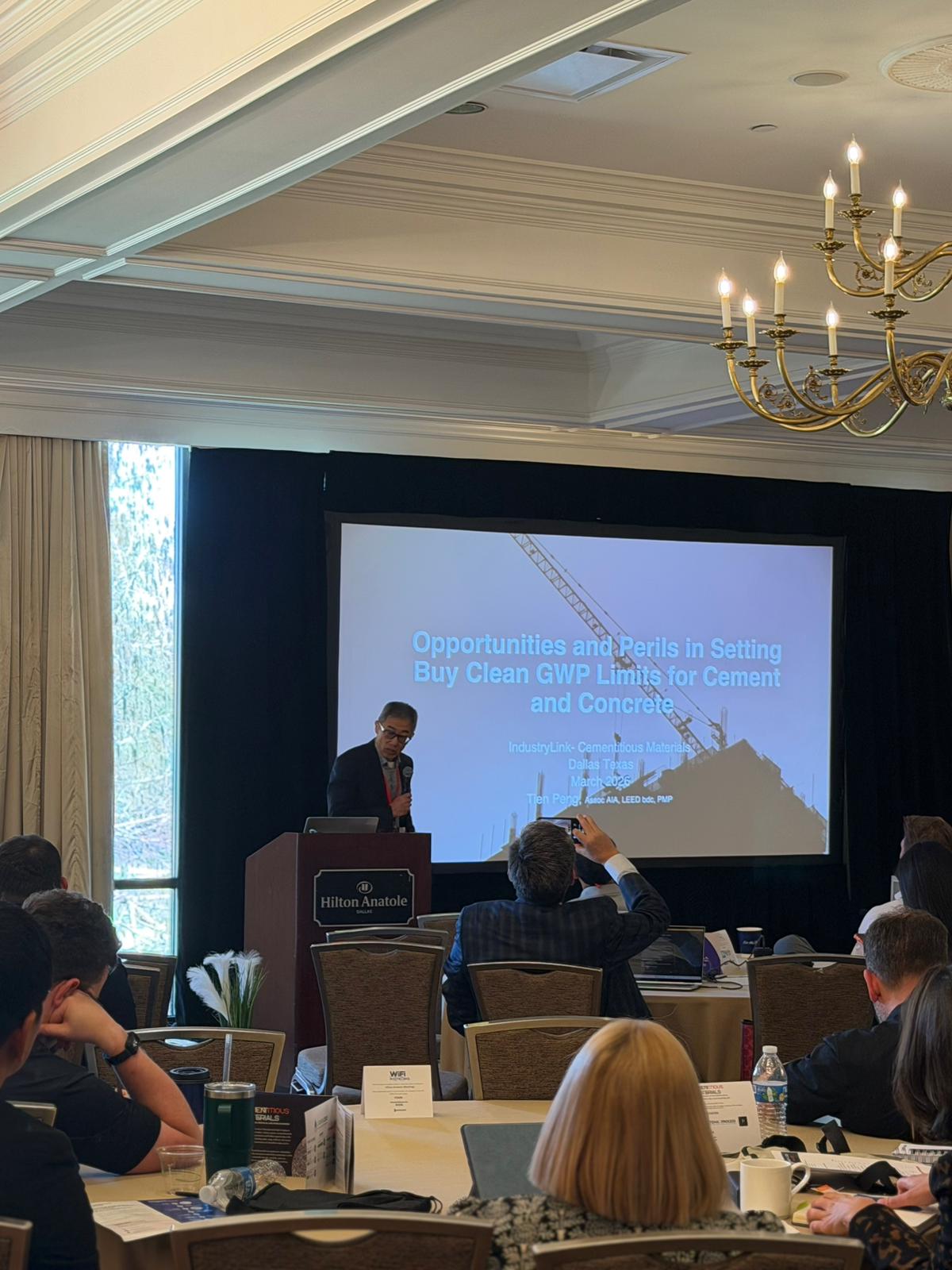
Policy frameworks are also becoming increasingly influential in shaping material choices. Tien Peng, co-founder of GreenPlum Street, examined the emerging “Buy Clean” policies designed to limit the global warming potential of cement and concrete used in public projects. While such policies can accelerate decarbonization, they also require careful implementation to avoid unintended consequences for supply chains and infrastructure development.
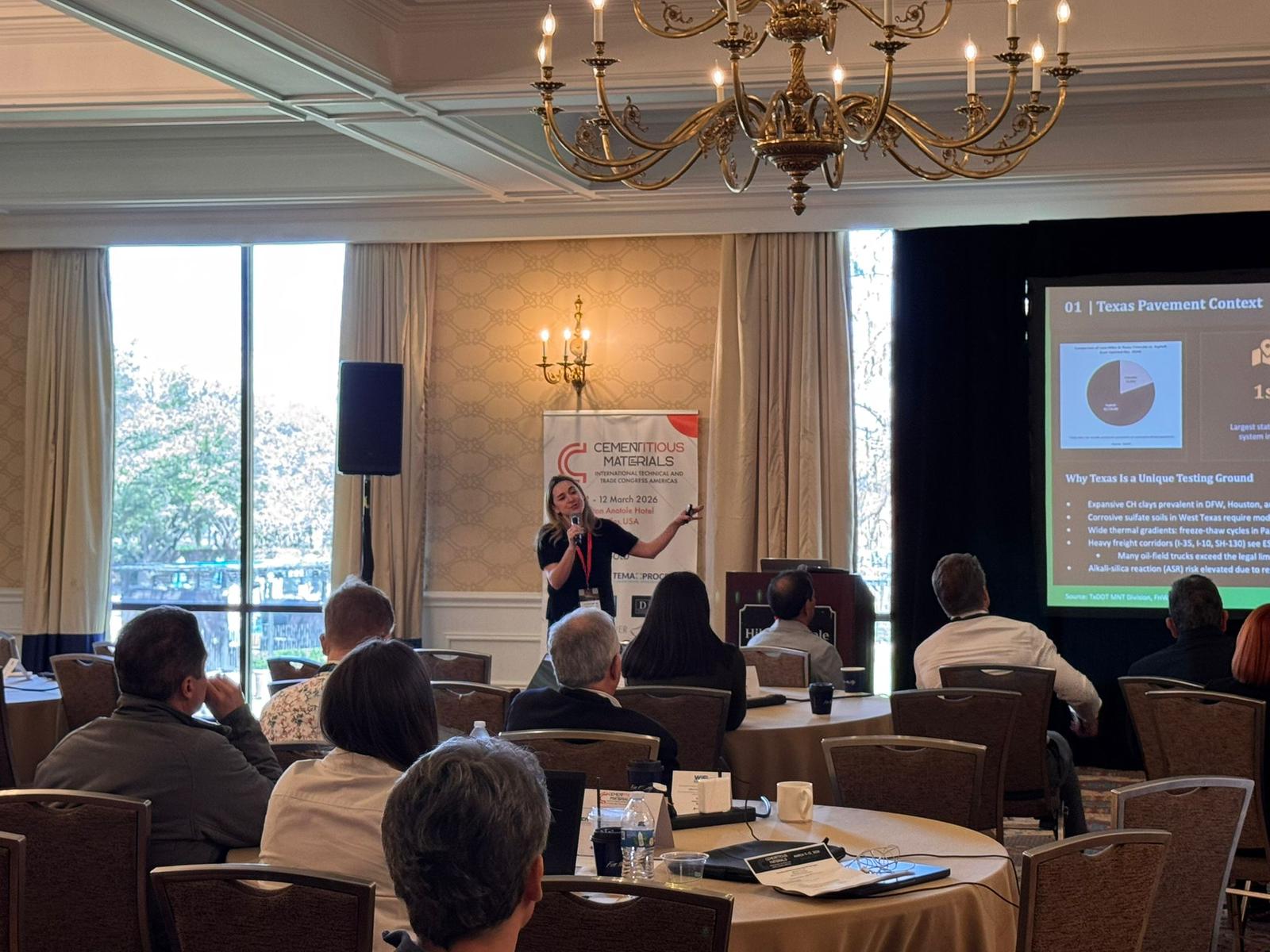
Infrastructure applications provided another important dimension to the conversation. Nancy Beltran, Director of Concrete Pavements at the Cement Council of Texas, presented insights into the material selection strategies used in Texas pavement projects, demonstrating how performance-based specifications can enable both durability and sustainability.
Industrial safety and operational resilience were also discussed by Richard Mendez from Firefly, who highlighted advanced fire-prevention systems designed to support the safe handling and storage of alternative fuels used in cement production.
Sustainability Standards and Infrastructure Transformation
The afternoon program broadened the discussion toward sustainability standards and the evolving regulatory environment shaping the cement and concrete sectors. Tiffany Reed-Villarreal, Director of Sustainability Codes and Standards at the National Ready Mixed Concrete Association, presented the latest updates on sustainability codes and certification frameworks influencing concrete production and specification across the United States.
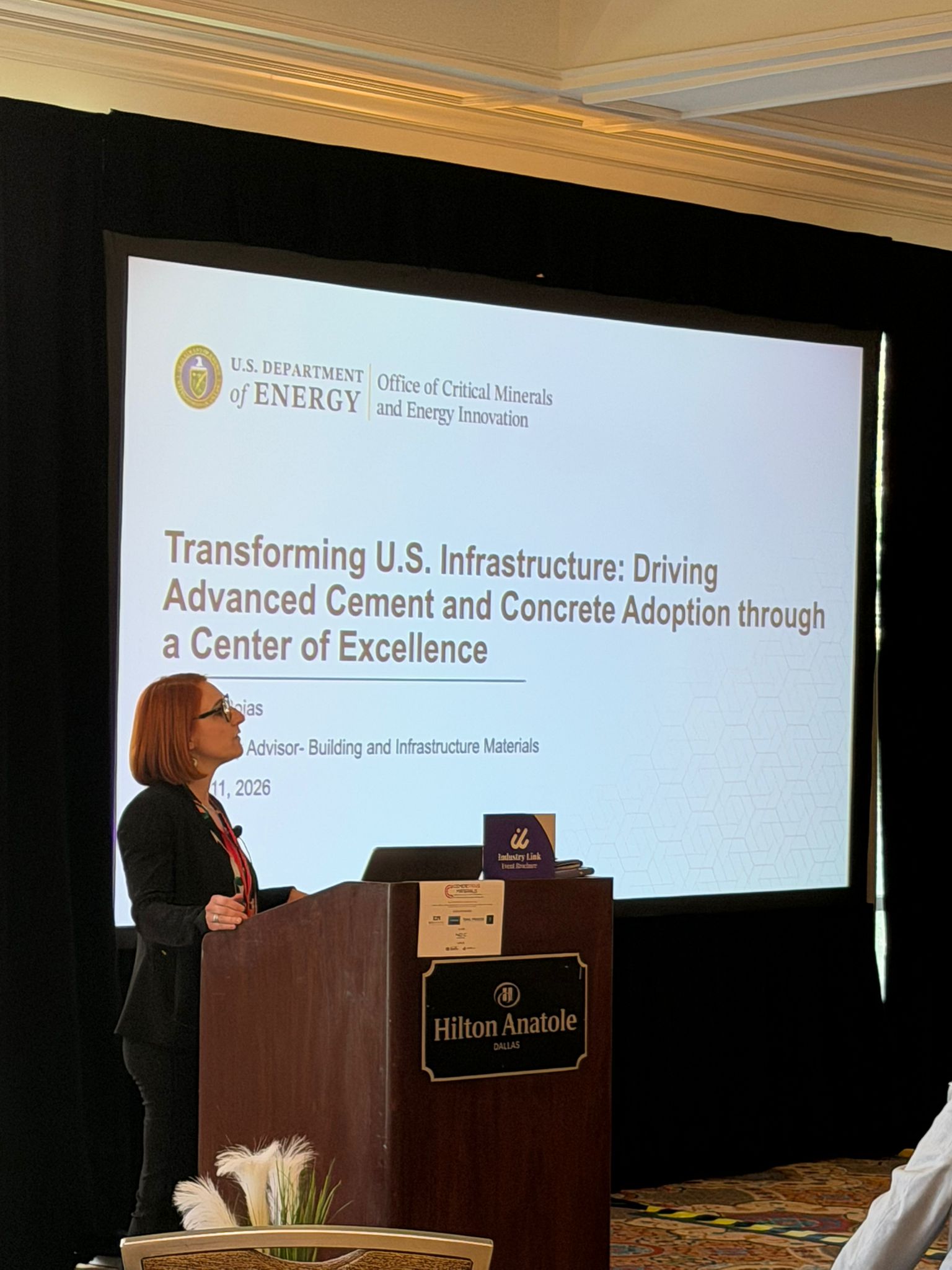
A broader perspective on infrastructure innovation followed from Isabelle Rojas, Technology Advisor for Building and Infrastructure Materials working with the United States Department of Energy. Her presentation outlined how a proposed Center of Excellence could accelerate the adoption of advanced cement and concrete technologies across major infrastructure projects, helping bridge the gap between research breakthroughs and industrial deployment.
The session concluded with a panel discussion exploring the future of cementitious materials and emerging binder chemistries. Moderated by Rojas, the panel brought together Quentin Philippe from Alithic and Loren Burnett, CEO of Prometheus Materials, who discussed innovative materials capable of significantly reducing or even eliminating the carbon footprint associated with traditional cement production.
Scientific Advances and Carbon-Negative Materials
The second day of the Congress focused strongly on scientific research and emerging material technologies that may redefine the future of cement and concrete. Maria Juenger, Professor at the University of Texas at Austin and President of the American Concrete Institute, explored strategies for reducing clinker content through blended Type IL cements and calcined clays—solutions increasingly recognized as critical for lowering cement emissions while maintaining structural performance.
Further research perspectives were shared by Anol Mukhopadhyay of the Texas A&M Transportation Institute, who presented innovative performance-based approaches for integrating alternative supplementary cementitious materials into durable structural concrete.
A particularly forward-looking presentation came from Hongyan Ma of the Missouri University of Science and Technology, exploring magnesium-based binders capable of achieving carbon-negative performance under certain conditions.
Completing the scientific session, Jialai Wang from the University of Alabama presented research on engineered SCMs designed to enhance carbon sequestration while accelerating strength development and improving cement efficiency.
Engineering the Future of Low-Carbon Concrete
The final sessions highlighted technologies and industrial processes that are already helping producers move toward lower-carbon cement production. Julian Ravenshorst and Daniel Verbaan from TEMA Process introduced a CO₂-neutral fluidized-bed drying solution designed to improve the energy efficiency of cementitious materials processing.
The potential of natural pozzolans was explored by Bruno Bertolotti from Cemento Yura and Maria Pia Zevallos from Grupo Gloria, who presented advanced grinding and mechanochemical activation techniques designed to increase the reactivity and industrial applicability of natural pozzolans.
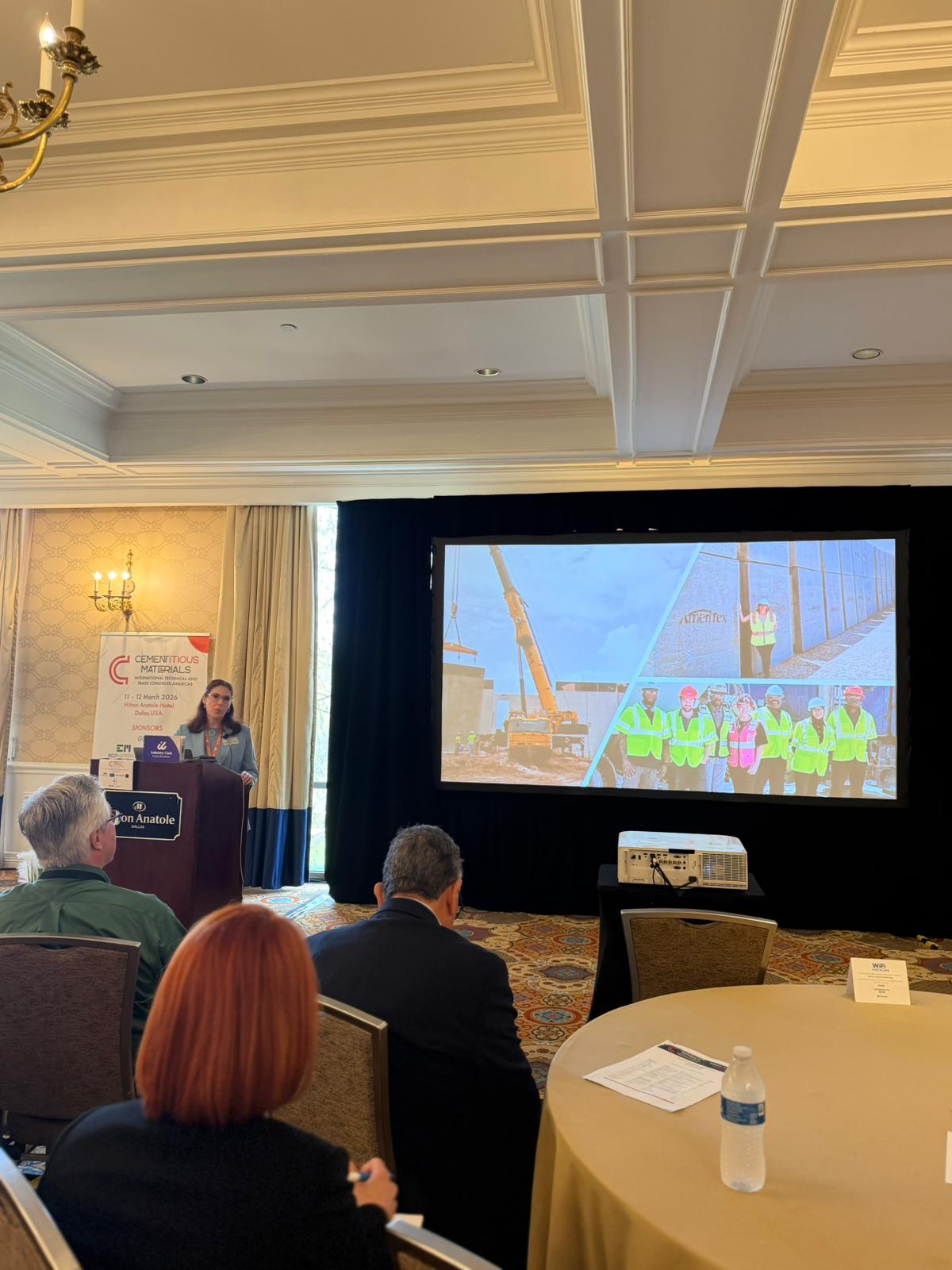
From the perspective of infrastructure development, Corey Zollinger of CEMEX presented a carbon-budgeting framework for ready-mix concrete used in buildings and infrastructure, offering project developers practical tools for measuring and reducing emissions throughout the construction lifecycle.
Innovation in alternative materials continued with Tim Kuebler of AggrePlex, who introduced the AggrePlex activated ground glass pozzolan technology, designed to transform recycled glass into a high-performance supplementary cementitious material.
The final session turned attention toward the broader transformation of the built environment. Darren Wilbanks from Texas Lehigh Cement Company highlighted the continued importance of slag cement in improving both sustainability and performance in modern concrete mixtures.
Concluding the technical program, Kerry Sutton, Executive Director of NEU Concrete – ACI Center of Excellence for Carbon Neutral Concrete, presented an overview of the current state of low-carbon concrete adoption and the pathways that may lead the construction sector toward carbon neutrality.
In her closing remarks, Beatrice Ene reflected on the significance of the discussions held over the two days. The cement and concrete industries are entering a period of unprecedented transformation, driven by climate goals, technological breakthroughs, and the need for resilient infrastructure. Events like the Cementitious Materials International Technical & Trade Congress provide the platform where these forces converge, enabling the partnerships and ideas that will shape the future of the built environment.
As participants departed Dallas, one conclusion was clear: the future of cement is not defined by a single technology or solution. It will emerge from a combination of new materials, smarter processes, stronger collaboration, and a shared commitment across industries to build a more sustainable world.
–
Find out more about the future of building sustainably. Discover the latest in cement industry innovations, best practices, and decarbonization efforts at our upcoming events – join us to shape a greener world!
Email us at contact@industrylink.eu for program brochures and future events.
Sign up to our newsletter on industrylink.eu/#signupnow to receive the latest news and future events info as well as exclusive discounts.
—

Other events in 2026:
ESG and Sustainability International Summit and Industry 5.0 Conference and Exhibition – June 10-11, 2026; Location: Sao Paulo, Brazil
A premier regional platform for industry leaders to discuss sustainability, ESG strategies, and regulatory advancements in cement and construction. This event brings together thought leaders and corporate professionals from around the world to explore the latest trends in sustainable finance, legal frameworks, and industry innovations.
We are also including panel discussions on Industry 5.0 to discuss how AI and Automation and other smart solutions are contributing to the decarbonization of the cement & construction industry.
The event is designed to inspire, educate, and empower corporate attendees to drive sustainable progress and create a positive impact on our planet and society, previous editions were held in Madeira, Portugal and Cairo, Egypt in 2024 and 2025 respectively.


Cementitious Materials International technical and Trade Congress EMEA, 28 – 29 October, Brussels, Belgium
The EMEA edition of the Cementitious Materials International technical and Trade Congress is poised to build om success stories of past events – the first edition was held in Casablanca, Morocco in April 2024 and the second edition was also held in Cairo earlier this year.
This is once again an opportunity to network with your peers and leaders in the industry, gain first-hand insights on regional trends, learn from industry experts about the latest market dynamics, regulatory changes and future outlook of cementitious materials in the region.
See link for the summary of the last edition – Cementitious Materials International TechTrade Congress – EMEA | Cairo, Egypt | June 3-4, 2025 (Overview here)
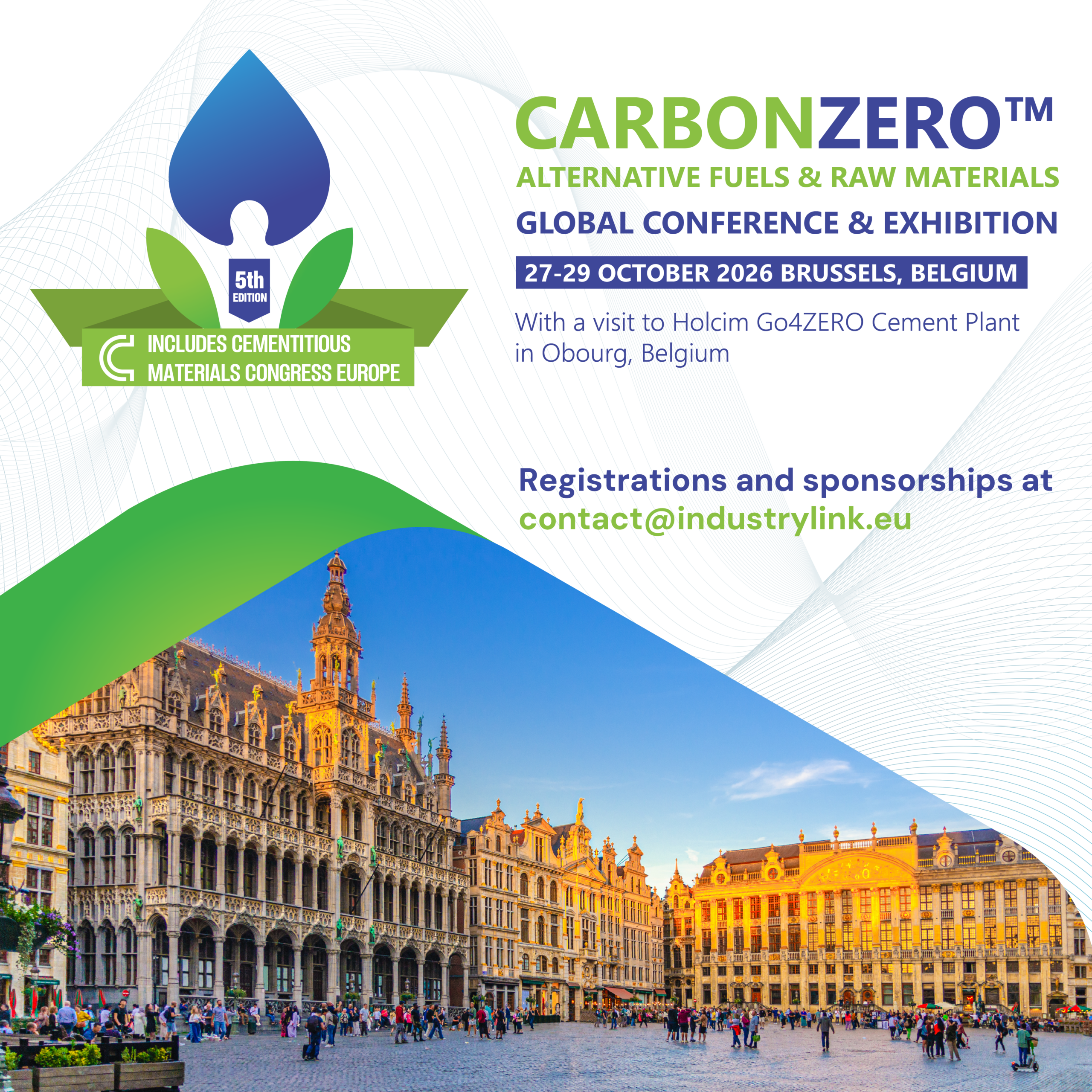
CarbonZero Alternative Fuels & Raw Materials Global Conference & Exhibition 2026 to include Cementitious Europe – Congress, 28 – 29 October, Brussels, Belgium
This premier global platform, CarbonZero brings together senior decision-makers to accelerate the transition to Net Zero in cement and construction. The conference will explore green alternatives—ranging from alternative fuels and raw materials to clinker substitutes-alongside emerging technologies, carbon capture, financing and investment strategies, policy developments, and industry standards. This C-level gathering convenes leaders from cement manufacturing, construction, technology, research, academia, and regulatory institutions—united in shaping actionable and sustainable solutions.