Cementitious Materials International Congress Americas 2026

The Cementitious Materials International Technical and Trade Congress Americas is the finest industry event for SCMs, the premier gathering of US cement traders, industry experts, and professionals passionate about the latest advancements and limitless opportunities in the field of cementitious materials including ashes, slags, artificial and natural pozzolana, fumes, clays and construction and demolition waste used as alternative raw materials.

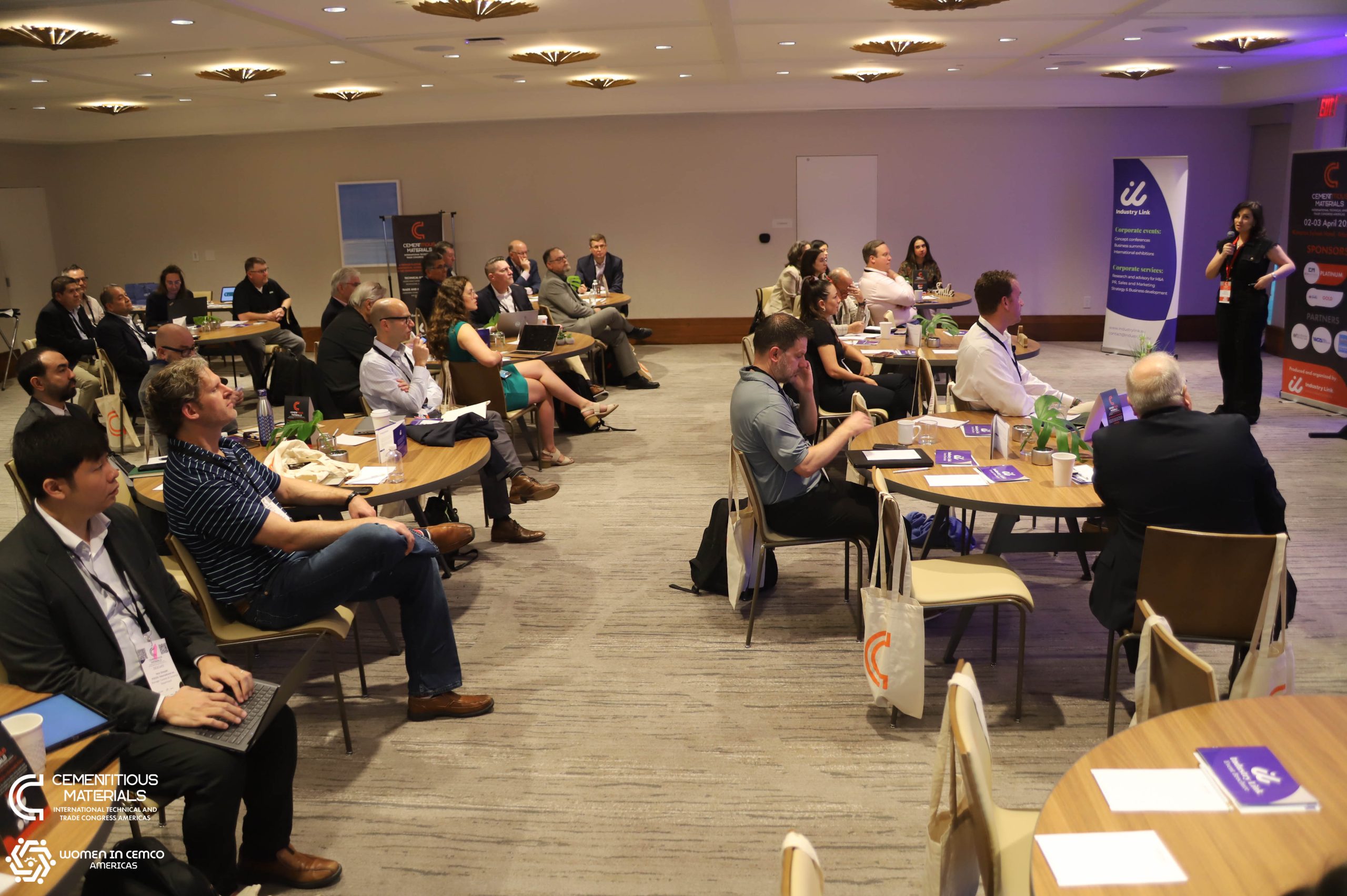
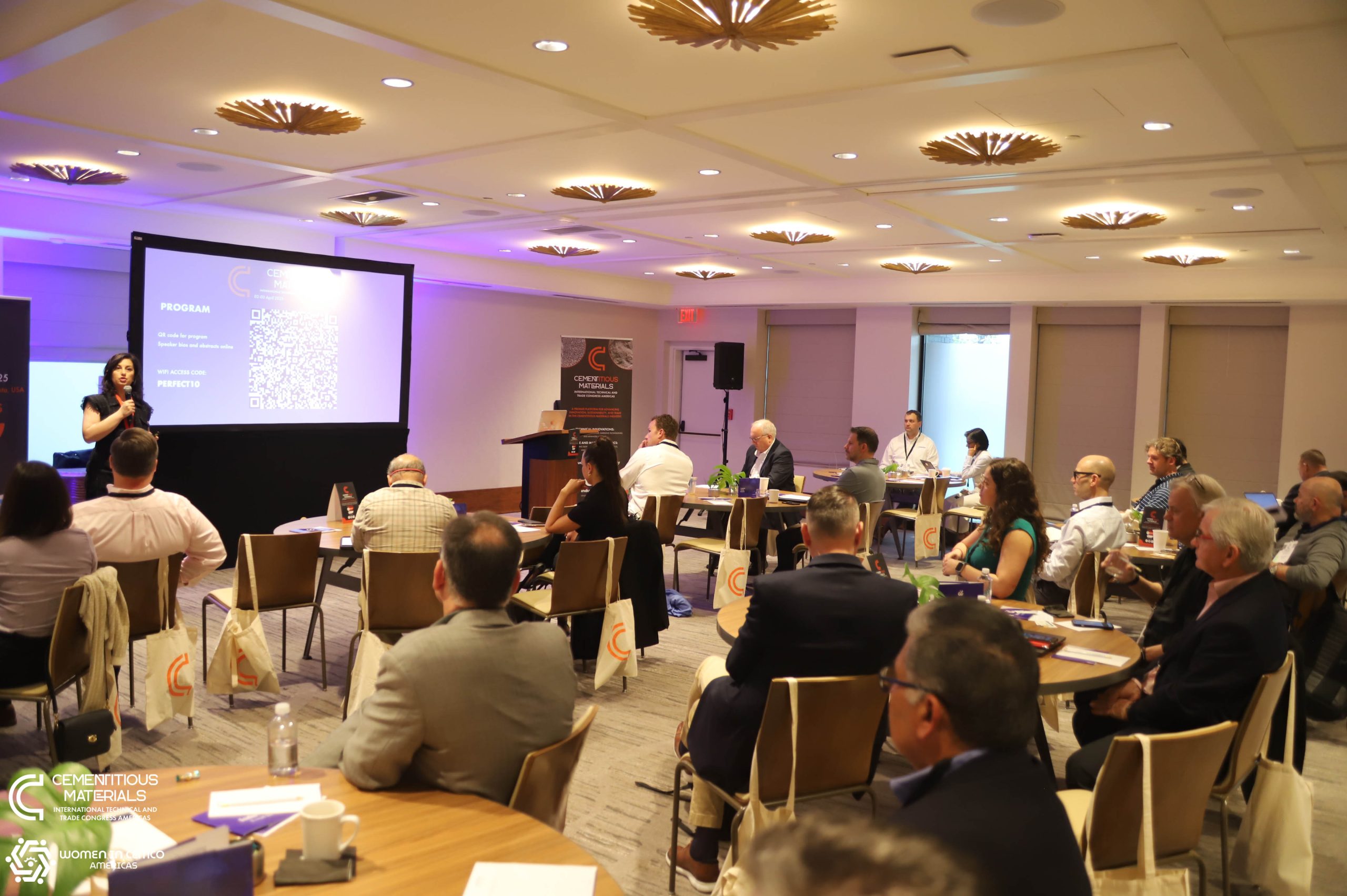
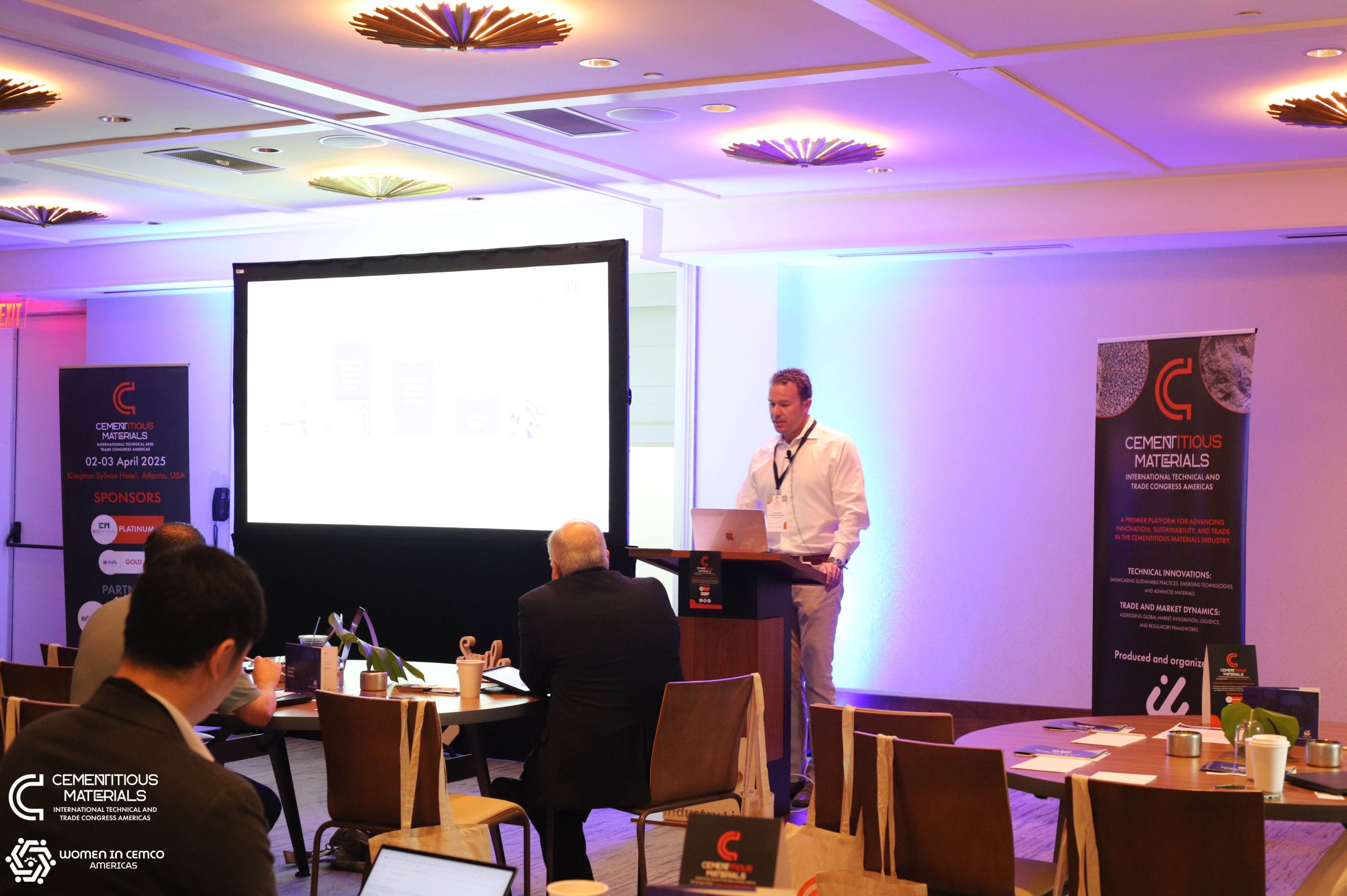
The 2025 launch edition for Americas covered USA, Canada, Mexico, Colombia, Brazil, Panama, Uruguay, Paraguay, Chile, Costa Rica had a huge success. The 2026 edition will build upon it on March 11 and 12 in Dallas, Texas, USA, at the Hilton Anatole Hotel.  Make sure you sign up to our newsletter here  to be among the first to find out all about confirmed speakers and topics and also get better pricing ! For a glimpse of our inaugural edition for Americas held in 2025 please follow this link.

To be the first to know about speakers and updates please follow our LinkedIn page and subscribe to our newsletter here. Newsletter subscribers have 20% discount to the pricing on every event versus the pricing on our website.

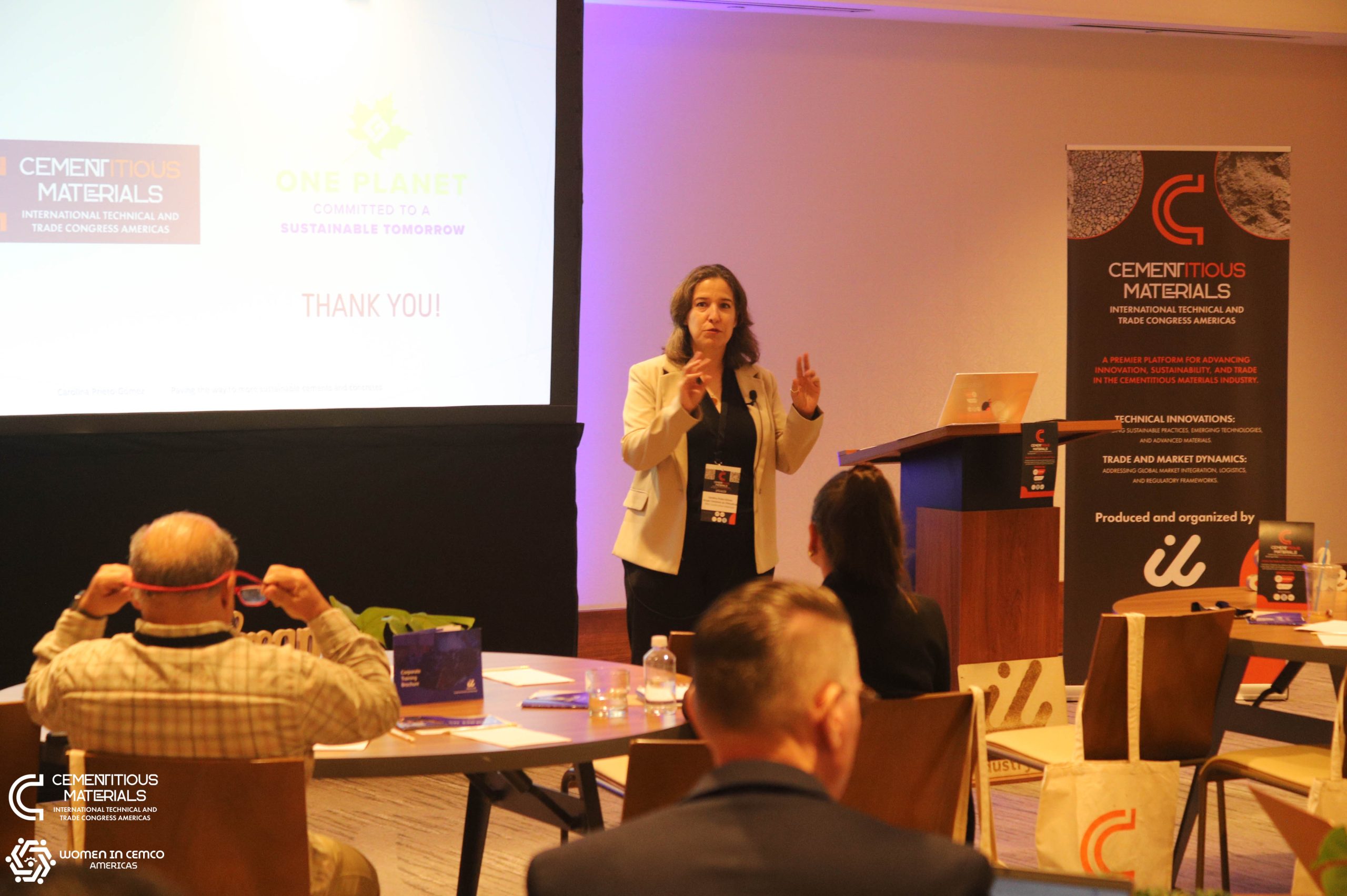
Join and meet the industry peers that create the world of tomorrow! We look at innovation, sustainability and profitability of concrete and cement made with combustion byproducts that serve both a cost-saving, efficient perspective AND decrease the carbon footprint! Our events are totally appraised as best experiences delegates have, we are renown for creating communities and real connections. Hit that registration button and learn what we do differently.
 

Why Attend?

  • Stay Ahead of the Curve: Integrate sustainable cementitious materials into your operations to maintain a competitive edge and position your organization as an industry frontrunner.
  • Regional & US Insights: Be the first to learn about emerging technologies, market trends, and regulatory developments that are shaping cement production and sustainable construction.
  • Networking with Industry Leaders: Connect with executives, managers, policymakers, and  innovators from the US and LatAm to exchange knowledge and start partnerships.
  • Sustainability and Compliance: Discover practical strategies to meet sustainability targets, navigate evolving US regulations, and learn from both domestic and international case studies.
  • Future of Cement and Construction Ready-mix: Learn how both the US and global cement industries are integrating sustainable practices, new technologies, and digital solutions to drive growth and environmental stewardship


Congress Themes


Focusing on Technical Excellence and Trade Innovation,
the event integrates cutting-edge advancements with
global market strategies to shape the future of the industry.


Technical Topics: Innovations in Cement Production

Carbon-Neutral Cement Production

  • Explore US-based initiatives for using SCMs in cement production and construction materials

Next-Generation Cement Alternatives

  • Examine developments in geopolymer cements and magnesium binders tailored for the US market,alongside international adoption trends.

Supplementary Cementitious Materials (SCMs)

  • Optimize fly ash, slag, and natural pozzolans to meet the growing demand for eco-friendly infrastructure in the US, while addressing global sourcing challenges.

Localized Sustainability Case Studies

  • Transforming industrial waste streams into resources forsustainable cement production in the US, and lessons from global leaders in waste-to-resource practices.

Technological Advancements

  • Explore the role of AI-driven design, digital twins, robotics, and automation in revolutionizing production efficiency and safety in US cement plants, with insights into global trends.

Sustainability at the Core

  • Learn about circular economy practices and alternative fuels (agricultural residues, municipal waste) driving sustainable cement production in US cities and globally.

Emerging Trends

  • Bio-inspired innovations for self-healing concrete in high-stress environments, and climate-resilient solutions addressing challenges like hurricanes and flooding in the US and abroad

Trade Topics: Exploring Global and Regional Opportunities

Navigating US Market Dynamics

  • Understand opportunities in the US cement market under the Infrastructure Investment and Jobs Act (IIJA) and discover strategies for entering and expanding within the US market, while positioning your company for global competitiveness.

Sustainable Logistics

  • Examine green supply chain innovations and multimodal transport solutions for reducing carbon footprints, with case studies from US rail and inland waterway networks.

Digital Transformation in Trade

  • Learn about AI-powered demand forecasting, blockchain integration, and other digital innovations transforming trade and ensuring regulatory compliance in the US cement sector, with global applicability.

Eco-Friendly Trade Practices

  • Explore the role of carbon credits, green financing, and sustainable supply chain practices in advancing both US and global decarbonization goals.

Regulatory Frameworks

  • Navigate US environmental regulations, including EPA standards for cement kiln emissions, and compare with global regulations such as the EU’s carbon tax and emissions trading systems.

Who Should Attend?

  • Cement Producers & Traders: Learn about market-specific scenarios and strategies to expand.
  • Concrete Ready-mix and Infrastructure Leaders: Collaborate on projects and initiatives promoting sustainable construction and building green.
  • Government & Policymakers: Develop and refine policies and standards that accelerate profits and innovation in cement production
  • Construction Professionals: Discover advanced cementitious materials and technologies for building durable, sustainable infrastructure
  • Supply Chain Experts: Optimize logistics for sustainable materials flow, from US domestic supply chains to international trade networks.
  • Energy and Iron&Steel Companies: Deploy your waste in a smart way! Contribute to circularity and reuse waste generating profit
  • Research & Development Professionals: See and share the latest trends and innovations

 

Join Us on This Journey

Register now and be part of this transformative movement towards a greener, more sustainable future. Together, let us pave the way towards a world where cementitious materials play a pivotal role in building a more sustainable and resilient future. This conference is not just an event; it’s a platform for collaboration, innovation, and driving positive change in the cement industry. Don’t miss out on this opportunity to connect with industry leaders, gain valuable insights, and shape the future of sustainable construction.

Register or if you have any questions please reach out to us at Contact@industrylink.eu – we are happy to assist with registration, any inquiries, speaking opportunities, and to secure the most favorable arrangements for individual bookings, group rates, partnerships or sponsorships. Feel free to explore our website for a comprehensive list of events and detailed information about our activities.

Dive into our calendar of events, featuring Women in Cement and Construction International Congress Americas (Dallas, Texas, USA, March 12-13), Cementitious Materials TechTrade International Congress EMEA,  Sustainability and ESG International Summit, CarbonZero Global Conference and Exhibition,  Women in Cement and Construction International Congress EMEA. Subscribe to our newsletter here to get first hand info on launches, speakers, topics and pricing that is at least 20% better than our published rates.


Event Details
Cementitious 2026 Americas
Cementitious Materials International Congress Americas 2026 | Group* Rate Standard
1,296.89$

Access to all event presentations

Lunches and coffee breaks

Delegate List

PDF format of all presentations delivered to your
email after the event

*Min 3 delegates to qualify

Cementitious 2026 Americas
Cementitious Materials International Congress Americas 2026 | Individual Rate Standard
1,650.58$

Access to all event presentations

Lunches and coffee breaks

PDF format of all presentations delivered to your
email after the event

Delegate List

Cementitious 2026 Add-On: Women in CemCo Ticket Extension - Special Offer | Group* Rate Standard
Cementitious 2026 Add-On: Women in CemCo Ticket Extension - Special Offer | Early bird Group* Rate
607.18$

Extend your experience with the Women in Cement & Construction International Congress.
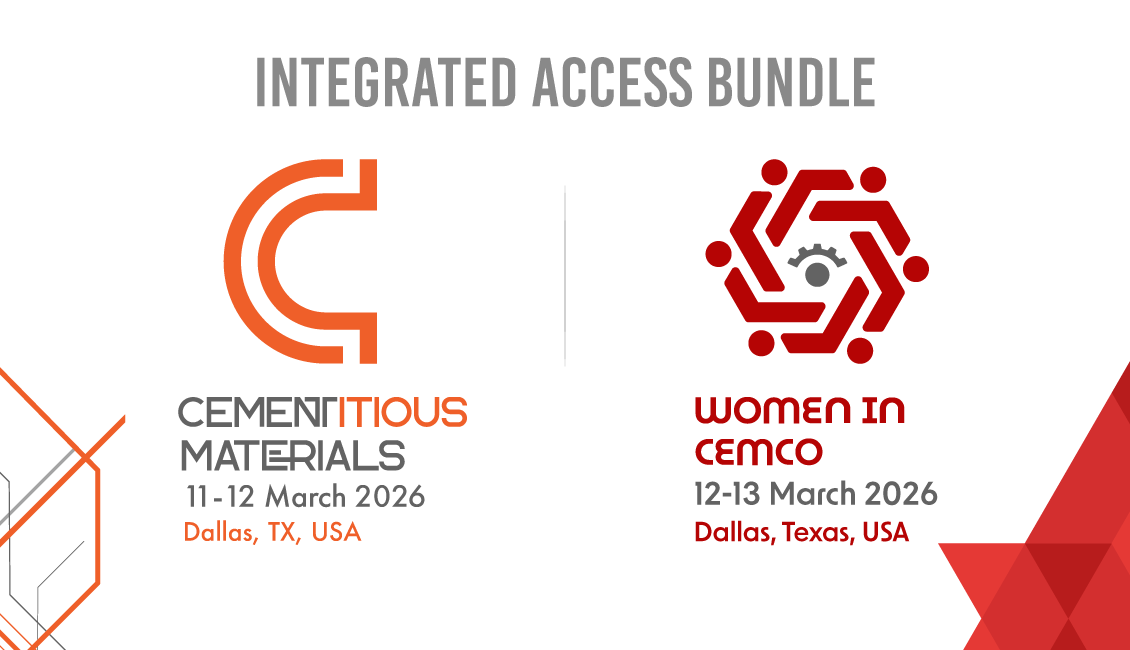
If you’re already joining us at the Cementitious Materials International Congress Americas 2026, this integrated access bundle gives you full admission to both events — creating a continuous, connected journey across the technical and human side of our industry.

Secure your ticket to enjoy complete access, exclusive networking moments, and dedicated sessions designed to elevate and empower women shaping the future of cement and construction.

Your bundle includes:

Access to all presentations at both events

Lunches and coffee breaks

Delegate list

PDF copies of all presentations delivered by email after the event

Please note: Visa support, travel, and accommodation are not included.

You can purchase your ticket online, or if you prefer to pay by bank transfer, contact us at contact@industrylink.eu.

Don’t miss your chance to upgrade your Cementitious participation with this special extension for the Women in Cement and Construction Congress.

Group* Rate = 3 participants or more

Cementitious 2026 Add-On: Women in CemCo Ticket Extension - Special Offer | Individual Rate Standard
Cementitious 2026 Add-On: Women in CemCo Ticket Extension - Special Offer | Early bird Individual Rate
801.71$

Extend your experience with the Women in Cement & Construction International Congress.
If you’re already joining us at the Cementitious Materials International Congress Americas 2026, this integrated access bundle gives you full admission to both events — creating a continuous, connected journey across the technical and human side of our industry.

Secure your ticket to enjoy complete access, exclusive networking moments, and dedicated sessions designed to elevate and empower women shaping the future of cement and construction.

Your bundle includes:

Access to all presentations at both events

Lunches and coffee breaks

Delegate list

PDF copies of all presentations delivered by email after the event

Please note: Visa support, travel, and accommodation are not included.

You can purchase your ticket online, or if you prefer to pay by bank transfer, contact us at contact@industrylink.eu.

Don’t miss your chance to upgrade your Cementitious participation with this special extension for the Women in Cement and Construction Congress.

The implementation sustainable and reduced concrete is more than following a code, standard, or specification. There are many obstacles and obstructions that can limit, prohibit, or contradict the actual goals. This presentation will highlight those impediments and various strategies for solving them from the ground level perspective with multiple real life and field based examples.

As sustainability expectations accelerate across public and private construction, 2026 represents a defining moment for the ready mixed concrete industry. This presentation highlights NRMCA’s leadership in providing the technical resources, data frameworks, and guidance needed to meet emerging embodied-carbon requirements while ensuring durable, resilient concrete. Key focus areas include the new 2026 Product Category Rule (PCR) for Concrete, which establishes updated, internationally aligned rules for developing Environmental Product Declarations (EPDs); the NRMCA Industry-Wide Benchmarks, offering transparent, sector-wide performance baselines that support procurement programs and carbon-reduction planning; and the enhanced NRMCA Low-Carbon Concrete Calculator, designed to help producers and specifiers evaluate mix-level carbon impacts and chart optimized reduction pathways.

The push for lower carbon emissions and higher performance standards is reshaping the cement and concrete landscape. Slag cement (GGBFS) offers one of the most practical and proven pathways to meet these evolving demands. This presentation examines how the use of slag cement enhances durability, reduces embodied carbon, and supports long-term infrastructure resilience across a range of applications.

Drawing from field experience and performance data across the southern United States, the session highlights innovations in mix optimization, compatibility with blended and portland-limestone cements, and strategies for achieving consistent results in ready-mix and precast production. The discussion will also touch on the broader sustainability narrative—how incorporating industrial byproducts like slag aligns with circular economy principles and emerging environmental standards worldwide.

By focusing on technical innovation and sustainable practice, this session positions slag cement as a key component in the next generation of performance-based concrete solutions.

Concrete pavements in Texas operate under some of the most demanding environmental and loading conditions in the country, making material optimization essential for long-term performance. This presentation will explore how advances in cement chemistry, supplementary cementitious materials, and mixture design are improving durability, sustainability, and constructability across the state. Drawing on recent research, field observations, and project experience from TxDOT and local agencies, the discussion will highlight how Texas is adopting blended cement, optimized mixtures, and cement stabilization of soils and bases to meet rising expectations for resilience and reduced carbon intensity. Key considerations—including aggregate selection, pavements' response to extreme traffic and soil variability, and long-term pavement performance (LTPP) trends—will be addressed. Practical recommendations will be provided for optimizing materials to ensure cost-effective, high-performing concrete pavements capable of meeting Texas' evolving transportation needs.

Although the momentum has shifted in the public sector, the cement and concrete industries are making progress related to carbon reduction targets in concrete construction. Strong demand signals remain in domestic private sector projects and with international work, leading to ongoing innovation, changes in codes and standards, and increasing industry stakeholder needs.

As the cement industry pushes toward goals of net-zero carbon emissions by 2050, supplementary cementitious materials (SCMs) play an immediate role in achieving short-term goals and will continue to contribute to long-term goals. Traditional SCMs like fly ash and slag cannot meet the demand from the industry, and we are seeing increased production of natural pozzolans to fill the need. Calcined clays have attracted international attention for the high reactivity and the widespread geographic availability of clay deposits. A blended cement called LC3 (limestone calcined clay cement) gets a lot of attention for its ability to maintain good performance while only containing 50% of portland cement clinker. LC3 cements can be produced under the ASTM C595 Type IT designation, but to date are not sold in the US. The concrete industry in the meantime can approximate LC3 by combining Type IL cements with calcined clays and other SCMs to achieve very similar clinker reductions and good performance. This presentation showcases data using regional blends of Type IL cements, calcined clays, and other SCMs.

Heidelberg Materials is accelerating the adoption of next‑generation supplementary cementitious materials (SCMs) and blended cements to cut embodied carbon while maintaining performance across diverse applications and specifications. Building on our 2030 commitments (including the <400 kg CO₂/t cementitious target) and net‑zero roadmap, we are expanding slag availability and distribution in North America and investing in innovative SCM technologies.

We will share insights on calcined clay/LC3 binder use and discuss the low‑clinker binder systems and blended cements concrete producers and consumers are most likely to encounter in the coming years. We will also present progress from work on different innovations including beneficiated ash acquisitions/operations as well Recycled Concrete Fines (RCF) to integrate carbonated recycled paste into cementitious systems—advancing circularity and reducing clinker dependence.

Finally, we’ll discuss deployment considerations (sourcing, quality control, codes/standards, and market engagement), and how coordinated SCM portfolios position ready‑mix and infrastructure teams to achieve durable, lower‑carbon concrete at scale in North America.

In the past few years, ambitious Buy Clean climate policies have been passed by local governments seeking to reduce their industrial environmental impacts and transform the marketplace. With cement and concrete's embodied carbon emissions representing significant greenhouse gas contributions, low-carbon solutions in public procurement can address their impacts. This study conducted stakeholder engagements along the Maryland concrete value-chain, investigated the various Buy Clean programs against the national benchmarks, and addressed its technical vulnerabilities which require an understanding of its reporting tool. By shedding light on the shortcomings of the policy and its tools, we can begin identifying the essential knowledge to propose feasible pathways towards climate neutrality. Because global cement production is predicted to increase, it is therefore imperative for the construction industry to enhance the effectiveness of this policy for future implementation. With Buy Clean, the manufacturer, architects and structural engineers have a unique opportunity to become key players in global carbon dioxide removal efforts using current and developing carbon-efficient materials.

As the construction industry accelerates its shift toward decarbonization, carbon budgeting has emerged as a powerful tool for reducing project emissions and meeting climate goals. This session presents a practical, stakeholder-focused framework for integrating ready-mix concrete carbon budgets into the planning, design, and delivery of buildings and infrastructure.

A carbon budget, defined as an emissions ceiling for a project, can serve as a guiding metric from early design through construction. We'll explore how to establish realistic carbon budgets based on regional material availability, market capabilities, and structural demands. Real-world case studies will illustrate how teams have successfully implemented carbon budgeting using achievable targets, aligned with performance requirements such as exposure classes, strength needs, and construction sequencing.

Special focus will be given to technical levers how they influence embodied carbon outcomes. Attendees will gain insight into how early engagement across the value chain ensures that sustainability goals translate into real-world results.

Learning Objectives:

Define carbon budgeting for ready mix concrete and its purpose in sustainable construction.

Identify technical and market factors that influence carbon targets.

Understand how carbon budgets are applied from design through construction.

Explain how collaboration supports effective carbon reduction strategies across the value chain.

Short Description (50 words)

Explore a practical framework for carbon budgeting in buildings and infrastructure. Learn how to define realistic emissions ceilings, evaluate technical and market constraints, and apply real-world strategies from early design through delivery. This session will explore how owners and general contractors are beginning to implement carbon budgeting and incorporate lower-carbon concrete in upcoming projects This will empower project teams to move from sustainability goals to measurable carbon reduction outcomes.

Supplementary cementitious materials (SCMs) are widely used to reduce the cost and carbon footprint of concrete, yet most commercially available SCMs slow early-age strength development, limiting their broader adoption in practice. This presentation introduces an integrated approach to engineering next-generation SCMs that combine carbon sequestration, accelerated strength gain, and improved cement efficiency. We will discuss our recent advances in converting recycled concrete fines into value-added SCMs through a regulated CO₂ mineralization process. By actively controlling carbonation reactions at the particle level, this technology transforms low-reactivity demolition waste into a reactive SCM that can enhances early-age hydration and strength. Building on this concept, we further demonstrate the development of a new class of concrete strength enhancers derived from similar reaction-control and functionalization principles. These materials not only accelerate early-age strength but also improve later-age performance, enabling significant reductions in cement content while meeting strength requirements. The combined benefits offer a practical, scalable pathway toward faster, lower-cost, and lower-carbon concrete for industrial deployment.

As traditional supplementary cementitious materials (SCMs) such as fly ash and slag face increasing supply constraints and performance variability, the concrete industry requires scalable, low-carbon alternatives available today. This presentation introduces PozzoDyne™, an Activated Ground Glass Pozzolan (AGGP) produced by AggrePlex using advanced micronization and air-classification technology. Unlike conventional ground glass, PozzoDyne™ is mechanochemically activated at the particle level, delivering enhanced reactivity, consistent performance, and broad feedstock flexibility from post-consumer and industrial waste glass streams. The session will explore how controlled particle-size distribution, surface activation, and classification enable PozzoDyne™ to function as a high-performance SCM capable of extending or replacing cement while significantly reducing embodied carbon. Real-world production pathways, performance characteristics, and implications for large-scale adoption in cementitious applications will be discussed.

Magnesium-based cementitious systems have re-emerged as promising candidates for reducing the carbon footprint of cement and concrete and/or enabling special functions, offering fundamentally different reaction pathways, raw material flexibility, and opportunities for carbon utilization compared to conventional portland cement. Unlike clinker-based systems, magnesium-based binders can leverage low-temperature processing, industrial residues, and alternative feedstocks (e.g., mining wastes), while enabling CO2 mineralization for permanent carbon storage. This talk will provide an overview of the state of the art in magnesium-based cement technologies, highlighting several promising functional or (ultra-)low-carbon alternative binders, such as magnesium phosphate, magnesium silicate, and magnesium carbonate cements. Key performance attributes – workability, strength, and durability – and compatibility with existing SCMs will be discussed alongside practical considerations such as raw material availability, energy inputs, cost structure, and scalability. Special attention will be given to how magnesium-based cements can integrate with infrastructure needs, evolving standards, and decarbonization strategies, including their potential role in circular economy frameworks that valorize industrial and mineral-processing residues. Rather than positioning magnesium systems as a wholesale replacement for portland cement, this presentation will explore realistic deployment scenarios where magnesium-based binders can complement existing cementitious materials and deliver measurable environmental and economic value.

The cement industry is accelerating the development of low-carbon binders through sustained reductions in clinker content and the increased use of supplementary cementitious materials (SCMs). Over several decades, natural pozzolans have represented a strategic path toward clinker reduction, provided that sufficient reactivity and consistent performance can be achieved at industrial scale.
This paper presents the industrial experience of Yura Cement: sixty years of producing low-clinker pozzolanic cement, and today’s development and production of cements with clinker factors below 50%, together with the parallel production of formulated natural pozzolan-based SCMs. The approach combines ultrafine grinding and mechanochemical activation to enhance the reactivity of selected natural pozzolans, followed by validation and scale-up under industrial operating conditions.
Key aspects addressed are raw material selection, activation strategy, integration into existing cement production lines, and quality control criteria to ensure stable and reproducible performance. The resulting low-clinker cement and formulated SCMs were evaluated through standard physical and mechanical tests, demonstrating adequate early and long-term strength development, as well as compatibility with conventional cement and concrete production processes.
The results confirm that high levels of clinker substitution can be achieved using natural pozzolans when appropriate activation, formulation, and process control strategies are applied. This industrial case illustrates how long-term operational experience combined with targeted activation technologies can enable scalable solutions for clinker reduction and CO2 mitigation in cement production.

The use of fly ashes as primary supplementary cementitious materials (SCMs) to make
high-performance bridge deck concrete is a common practice by the Texas Department of
Transportation (TxDOT) and other highway agencies. However, the recent trend of
decreasing availability of good-quality fly ashes has spurred interest in the utilization of emerging and alternative SCMs. Natural pozzolans (NPs) and ground glass pozzolan (GGP) have been gaining importance as promising alternative SCMs due to their abundant supply and cost-effectiveness. TTI has developed innovative tests, performance-based approaches, and Tools for formulating durable structural concrete containing both conventional and alternative SCMs. From evaluating the effectiveness of NPs and GGP to ,mitigate ASR for highly reactive aggregates by these approaches/Tools, NPs alone were
found to be adequate to mitigate ASR, whereas ternary blends were needed for GGP.
Preliminary durability assessments by the Tool show that, while NP mixtures exhibit higher autogenous shrinkage, they have reduced drying shrinkage and comparable (low
moderate) shrinkage-based cracking potential to binary fly ash (Class C & F) mixtures. Improvement in transport properties (diffusion and sorptivity) exceeded the binary fly ash mixtures by 90-180 days, but slower early-age microstructure development may create some limitations for field applications. Binary NP mixtures likely outperform fly ash in chloride ingress and freeze-thaw resistance. One significant observation is that NPs need additional water for optimal performance. NPs are viable alternatives to fly ash in making durable, sustainable structural concrete suited to exposure conditions while reducing carbon footprints. This study underscores the importance of using a comprehensive performance-based approach using innovative tests to formulate tailored solutions for making sustainable and durable structural concrete using alternative SCMs.


 During this presentation, Kerry Sutton, Executive Director of NEU: An ACI Center of Excellence for Carbon Neutral Concrete, will share how the organization continues to monitor sustainability activities in the construction sector. Established in 2022 by the American Concrete Institute, NEU continues to accelerate the adoption and use of reduced-carbon concrete technologies. NEU collaborates globally to drive education, awareness, and adoption of the use of carbon-neutral materials and technologies.

TEMA Process is a Dutch-based supplier of thermal processing equipment for particulate and bulk materials.
We design and deliver systems for drying, cooling and other controlled thermal treatment steps, supporting industries such as minerals, chemicals, food/feed and renewables where efficient and reliable processing is required.

In the cementitious materials value chain, many mineral streams require controlled drying before further handeling, grinding or blending. This process can be energy-intensive and is increasingly relevant in the context of CO₂ reduction and low-carbon production routes.

The presentation will focus on hybrid fluidized bed drying solutions for the mineral industry, combining fossil-based heating, electrification, and heat pump integration. Particular attention will be given to operational flexibility, allowing drying systems to respond to fluctuating renewable energy availability, as well as to the technical and economic considerations of implementing low-carbon drying concepts.

CEO
Alithic
Sales Engineer
TEMA Process B.V.
Sales Manager
TEMA Process B.V.
Executive Director
NEU: An ACI Center of Excellence for Carbon Neutral Concrete
Senior Research Scientist
Texas A&M Transportation Institute (TTI)
R&D Manager
Cemento Yura
CEO
Cemento Yura
Professor
Missouri University of Science and Technology (S&T)
President & Chief Executive Officer
AggrePlex
Professor
The University of Alabama
Director of Sustainable Infrastructure Solutions
CEMEX USA
Senior Vice President, Sustainability and Public Affairs
Heidelberg Materials North America
Professor & Centennial Chair in Engineering
The University of Texas at Austin
Principal / Consultant
Dean Frank Associates, LLC
Director of Concrete Pavements
Cement Council of Texas (CCT)
Director, Sustainability Codes and Standards,
National Ready Mixed Concrete Association
Technical Service Manager
Texas Lehigh Cement Company
Owner, ESG / Sustainabilty Consultant
GreenPlum Street LLC
Chairman and CEO
Eco Material Technologies

Please send us an email stating your name, title, company, email and phone number as well as company details for invoicing. One of our representatives will then contact you and send the invoice for payment via bank transfer.
After the payment is confirmed, you receive the confirmation and you are added to the delegate list.

Should you prefer paying by card, please follow the link to our vendor https://www.entertix.ro/bilete/19811/cementitious-materials-international-technical-trade-congress-18-19-aprilie-2024-casablanca.html.

Please also email us at contact@industrylink.eu for assistance.

After the payment is confirmed, you receive a confirmation email and you are added to the delegates' list. You automatically become a part of the Industry Link Community of worldwide professionals by being added to our attendee emailing list. We send updates on the event and details for other upcoming events we organize.

The event registration fee includes access to all event presentations, list of participants (companies and titles). If the event is held in person, you also receive the pdf of the presentations, names of the attendees and contact opportunity, coffee breaks and lunch. Other features such as Plant Visits or Cocktail Sessions can be available per demand and for an additional fee if not communicated otherwise.

For selected events, you may receive accommodation included in the ticket price.

Industry Link Team members will always facilitate meeting other event participants. We dedicate full support to organizing one on one meetings on site or on line.
We can also assist in organizing business meetings as separate event facilities.
For more details please email us at contact@industrylink.eu

We send event participants the presentations after the event.
We strongly encourage you to become a part of the Industry link Community of Worldwide Professionals by signing up to our newsletter. This way we can send you the presentations from the events and we can also keep you up to date with other events that may be of interest.

You can designate another colleague to attend instead should you not be able to attend anymore. We do not offer refunds as once you register we commit to covering all expenses and we have no refunds available from the event venue.

    Event Details
    Sponsors
    Cart

    INFORMATION ABOUT NEWSLETTERS

    Newsletter Info

    Please select 1 of the 5 segments below so we can reach to you with the appropriate content.
    IMPORTANT